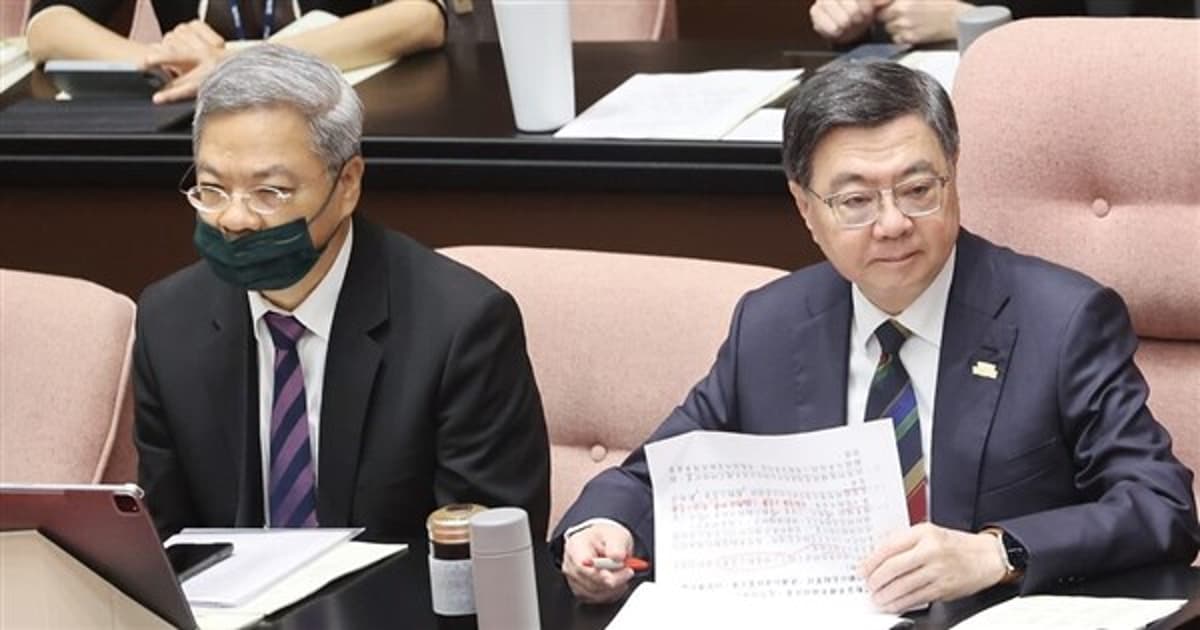
KMT Demands Premier Brief Lawmakers on Indian Worker Recruitment
Why It Matters
The debate spotlights Taiwan's labor shortage and the political risk of expanding migrant‑worker programs without robust safeguards, potentially affecting social security, gender equity and public perception of the island’s immigration policy.
Key Takeaways
- •KMT pushes Premier to explain Indian worker recruitment plan
- •Initial cohort of 1,000 Indian migrants targeted for manufacturing, agriculture, caregiving
- •Petition against recruitment gathers over 35,000 signatures
- •93,000 migrant workers absent without leave highlights management gaps
- •Government urged to pause new source countries until absconding issue resolved
Pulse Analysis
Taiwan faces a tightening labor market as its low‑birthrate population struggles to fill vacancies in manufacturing, agriculture and elder‑care sectors. To bridge the gap, the Executive Yuan has begun negotiations with New Delhi to bring in a first wave of roughly 1,000 Indian workers, a move that would diversify the island’s traditional reliance on workers from Southeast Asia. The plan includes streamlined administrative procedures, document verification and health screenings, aiming for deployment before the end of 2026. If successful, the influx could alleviate immediate staffing shortages while raising questions about integration and regulatory oversight.
The opposition Kuomintang (KMT) seized the opportunity to demand a full briefing from Premier Cho Jung‑tai and the labor ministry, citing fears that the new cohort could strain Taiwan’s social‑security system and exacerbate gender‑equality concerns. A petition on the government’s Public Policy Online Participation Network has already attracted more than 35,000 signatures calling for a halt to the recruitment. The KMT also highlighted that 93,000 existing migrant workers are currently absent without leave, underscoring systemic gaps in migrant‑worker management that must be addressed before expanding the pool.
Policy analysts warn that the success of the Indian recruitment drive hinges on robust support mechanisms, including language training, housing standards and clear pathways for social‑security contributions. Without such safeguards, the initiative could trigger public backlash and undermine Taiwan’s reputation as a responsible destination for foreign labor. The legislature’s decision to send the KMT motion to a second reading suggests a prolonged debate, during which the government may need to pause additional source‑country additions. A calibrated approach could turn the program into a model for sustainable, rights‑based migrant employment in the region.
KMT demands premier brief lawmakers on Indian worker recruitment
Comments
Want to join the conversation?
Loading comments...