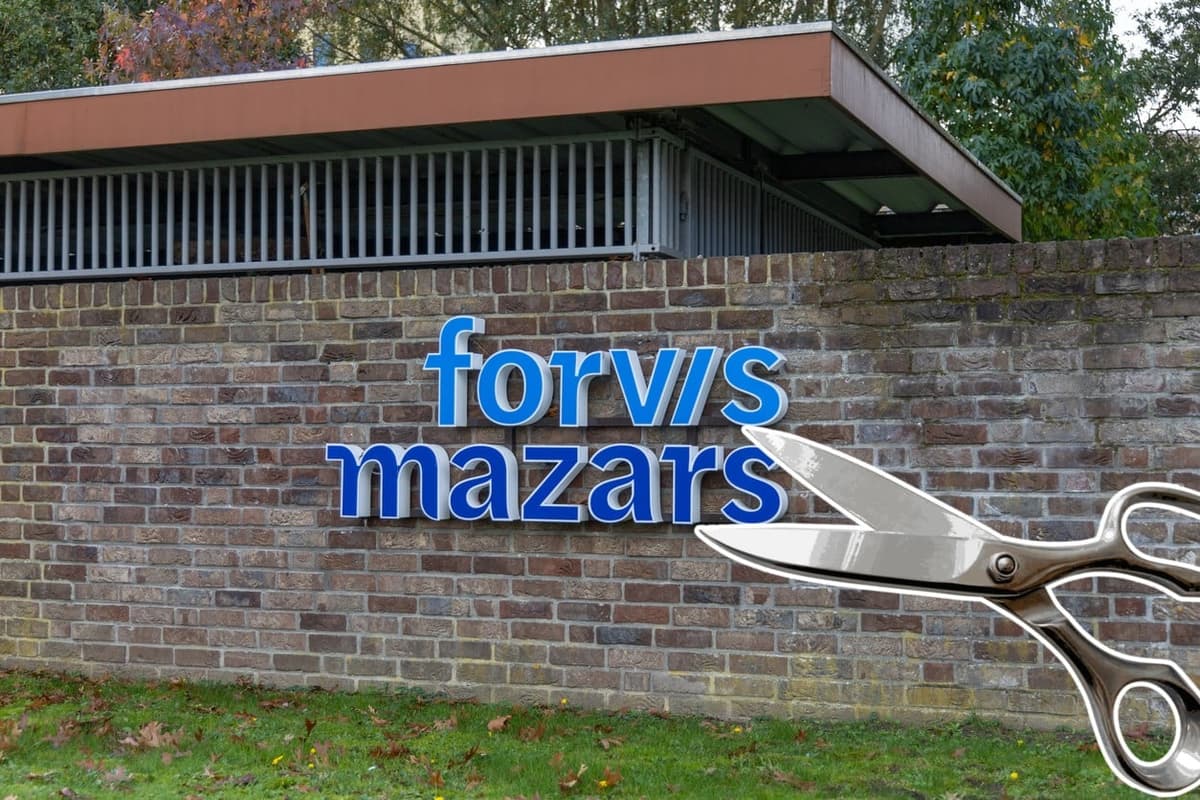
Layoff Watch ’26: Forvis Mazars Cuts 3% of the Workforce in Unusual Post-Busy Season Culling
Companies Mentioned
Why It Matters
The reduction signals that even top‑tier accounting firms are feeling pressure from stagnant revenue and higher technology costs, prompting a reassessment of talent strategies. It underscores a shift toward leaner operations and potential offshore substitution in the industry.
Key Takeaways
- •Forvis Mazars cuts ~250 U.S. staff, 3% of workforce
- •Layoffs affect audit, tax, and advisory professionals
- •Firm cites lower-than-expected attrition after busy season
- •Industry trend: firms trim staff amid stagnant fees and AI costs
Pulse Analysis
The recent Forvis Mazars layoff underscores a turning point for the public accounting sector. After a post‑busy‑season surge in demand, the firm found its attrition rates falling short of the high turnover expected from the Great Resignation era. By shedding roughly 250 U.S. employees across audit, tax and advisory lines, Forvis Mazars aims to realign its cost structure with a market where fee growth has plateaued and client budgets are tightening. This move mirrors similar adjustments at EY, PwC and other Big‑Four firms, all of which are grappling with the reality that hiring sprees of the pandemic years have left them over‑staffed relative to current demand.
Beyond headcount, the layoffs highlight deeper strategic pressures. Accounting firms are investing heavily in artificial intelligence and automation to boost productivity, yet the ROI remains uncertain. As AI tools become more capable, firms anticipate a shift toward higher‑value advisory work, reducing reliance on traditional audit and tax labor. Simultaneously, many firms are exploring offshore or near‑shore talent pools to offset rising U.S. salary costs, a trend that could reshape the talent pipeline and alter career trajectories for junior accountants. The convergence of stagnant fees, technology spend, and a tighter labor market forces firms to prioritize efficiency over sheer scale.
Looking ahead, the impact on clients and employee morale will be closely watched. A leaner workforce may improve profitability, but it also risks overburdening remaining staff, potentially affecting service quality and audit timelines. Forvis Mazars’ decision may accelerate industry‑wide conversations about sustainable staffing models, compensation structures, and the role of AI in professional services. Companies that navigate these changes adeptly could emerge with a more agile, cost‑effective workforce, while those that mismanage the transition may face heightened turnover and client dissatisfaction.
Layoff Watch ’26: Forvis Mazars Cuts 3% of the Workforce in Unusual Post-Busy Season Culling
Comments
Want to join the conversation?
Loading comments...