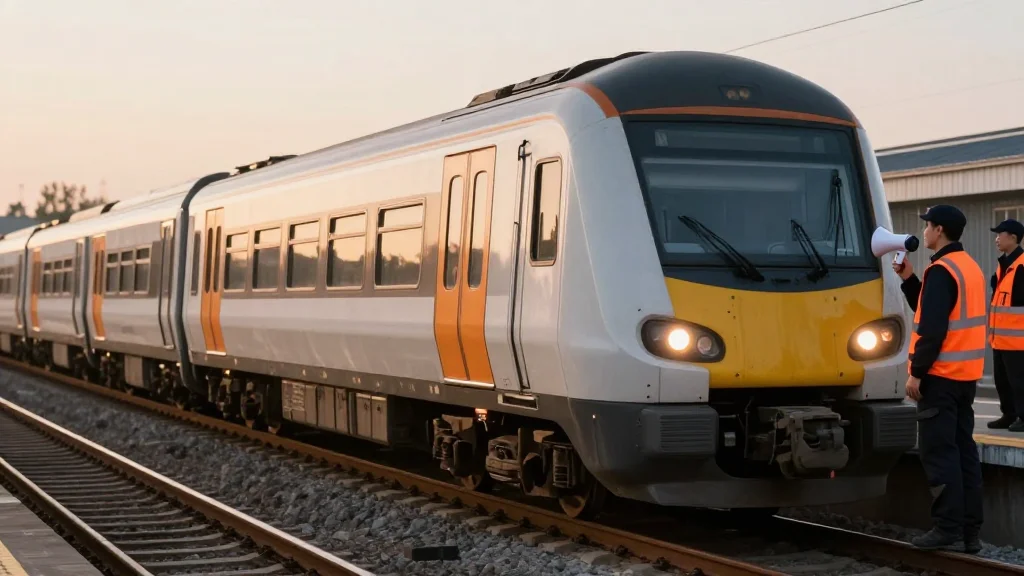
Long Island Rail Road Shuts Down as Unions Demand 5% Raise, Sparking $61 M Daily Hit

Why It Matters
The LIRR strike spotlights the tightening labor market in high‑cost metropolitan areas, where workers increasingly demand compensation that keeps pace with inflation and living‑cost spikes. For HR leaders, the dispute illustrates the cost of protracted collective‑bargaining deadlocks—not only in wage bills but in operational disruptions that can erode brand reputation and customer loyalty. The $61 million daily economic hit underscores how labor negotiations can ripple through entire regional economies, affecting everything from commuter traffic to sports venue attendance. Moreover, the conflict raises questions about the sustainability of public‑sector compensation models. If the MTA concedes to higher wages without offsetting revenue, fare hikes could trigger broader public backlash and set precedents for other transit agencies. HR professionals in the public sector must therefore balance equitable pay structures with fiscal responsibility, potentially re‑examining benefit designs, health‑care contributions, and work‑rule flexibility to avert future strikes.
Key Takeaways
- •Five unions representing ~3,500 LIRR workers initiated the first strike since 1994.
- •Approximately 250,000 daily commuters are affected; the strike could cost $61 M per day.
- •Unions seek a 5% raise for the contract’s final year; MTA offers 3% (up to 4.5% with concessions).
- •Governor Kathy Hochul blames the Trump administration for cutting mediation; Trump denies involvement.
- •Potential fare increase of up to 8% across the MTA network if the 5% demand is met without concessions.
Pulse Analysis
The LIRR walkout is a textbook case of how wage‑gap negotiations can quickly cascade into systemic risk for a major public‑service provider. Historically, the MTA has relied on incremental wage growth paired with modest fare adjustments to fund operations. The current 2‑point gap may appear small, but it sits at the intersection of three forces: post‑COVID budget constraints, a politically charged mediation environment, and a labor market where talent retention now hinges on real‑wage growth rather than nominal raises.
From a strategic HR perspective, the strike underscores the importance of proactive engagement with union leadership well before contract expiration. The MTA’s approach—offering a higher‑end raise contingent on work‑rule concessions—suggests an attempt to balance cost containment with wage growth, yet the unions perceive the concessions as a non‑starter. This misalignment points to a broader trend where workers are less willing to trade benefits for modest pay increases, especially in high‑cost locales like New York. Companies and agencies that fail to anticipate this shift risk operational shutdowns that far exceed the cost of the wage increase itself.
Looking ahead, the resolution will likely hinge on a hybrid solution: modest wage growth paired with targeted productivity incentives or flexible scheduling that reduces overtime costs. If the MTA concedes to an 8% fare hike, it could trigger a feedback loop of reduced ridership and further revenue shortfalls, pressuring other transit agencies to revisit their compensation frameworks. For HR leaders across the public and private sectors, the LIRR strike serves as a warning that labor negotiations are no longer isolated events—they are strategic pivots that can reshape budgeting, service delivery, and public perception.
Long Island Rail Road shuts down as unions demand 5% raise, sparking $61 M daily hit
Comments
Want to join the conversation?
Loading comments...