Manifesto Urges Fashion to Cut Output, Raise Pay
Why It Matters
Embedding living wages into climate pledges forces brands to address two systemic risks simultaneously, accelerating sustainable and socially responsible production. This shift could reshape supply‑chain contracts and trigger stricter EU regulation for the global fashion market.
Key Takeaways
- •CCC manifesto links climate goals to living wages for garment workers
- •EU tightening rules push brands toward enforceable rights‑based frameworks
- •Extreme heat and floods already harming factory workers, prompting urgent action
- •Voluntary sustainability pledges deemed insufficient without legal accountability
Pulse Analysis
The fashion industry faces mounting pressure to reconcile its carbon‑intensive supply chains with the growing urgency of climate change. Recent EU legislation, including the Green Deal and proposed textile‑specific standards, mandates measurable emissions reductions across every production stage. While many brands have adopted voluntary net‑zero roadmaps, regulators are signaling a shift toward mandatory reporting and verification, compelling companies to embed climate metrics into core business strategies rather than treating them as peripheral CSR projects.
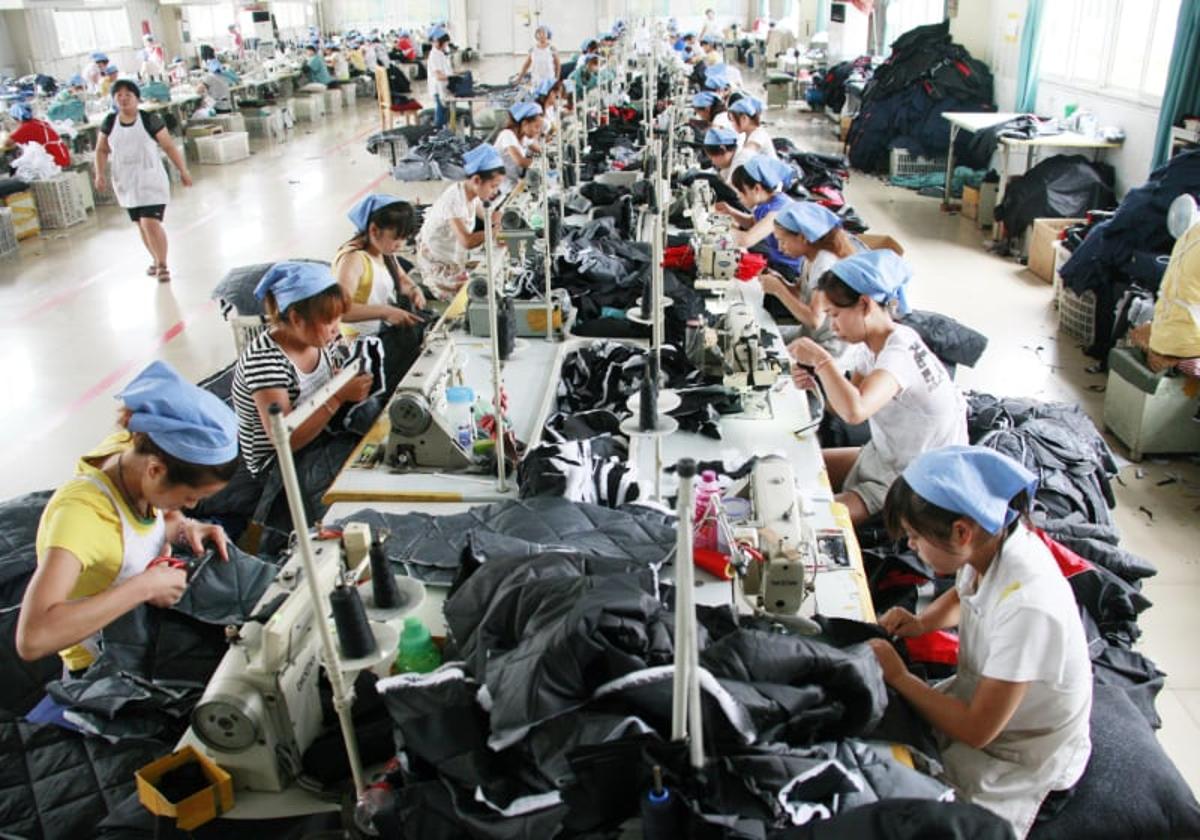
Simultaneously, the human cost of environmental volatility is surfacing in garment factories worldwide. Workers in South‑East Asia endure extreme heat, flooding, and supply‑chain disruptions that jeopardize both health and livelihoods. The Clean Clothes Campaign’s manifesto spotlights this nexus, insisting that any credible climate agenda must guarantee a living wage and enforceable labor rights. By framing decarbonisation as a rights‑based issue, the coalition amplifies calls for binding contracts that tie supplier payments to both emissions performance and wage standards, creating a dual incentive structure for sustainable production.
For brands, the manifesto signals a strategic inflection point. Investors are increasingly scrutinising ESG disclosures, and a failure to meet integrated climate‑and‑labor benchmarks could erode market valuation and brand equity. Companies that proactively adopt enforceable, rights‑based frameworks may gain a competitive edge, attracting ethically conscious consumers and mitigating regulatory risk. As the EU tightens its oversight, the fashion sector must evolve from voluntary pledges to legally binding commitments that protect workers while delivering on net‑zero ambitions.
Manifesto urges fashion to cut output, raise pay
Comments
Want to join the conversation?
Loading comments...