Manufacturers Spent About $32B Training Workers: MI Survey
Why It Matters
The surge in training spend signals manufacturers’ response to a tightening labor market and rapid technology adoption, positioning the sector for higher productivity and resilience. Overcoming scheduling and cost barriers will be critical to fully realize the benefits of a more skilled workforce.
Key Takeaways
- •Manufacturers spent $32 billion on training, up 22% since 2019
- •Average training time rose to 47.6 hours per employee
- •One‑third of firms now run apprenticeship programs
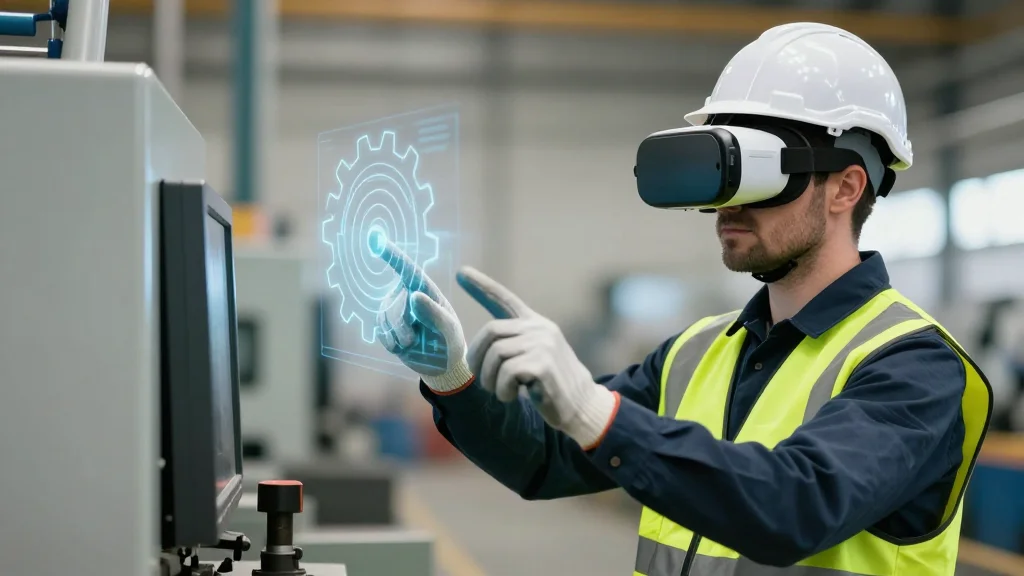
- •VR and AR tools increasingly used for safety training
- •69% cite work‑hour interruptions as biggest training obstacle
Pulse Analysis
The Manufacturing Institute’s latest survey reveals a decisive shift in how U.S. producers allocate capital toward workforce development. Spending on training and upskilling has jumped to $32 billion, reflecting a strategic response to both a shrinking talent pool and the accelerating pace of automation. By extending average training hours to nearly 48 per employee, manufacturers are signaling a commitment to deeper skill acquisition, a move that aligns with broader industry trends toward advanced manufacturing and digital integration.
Technology‑driven learning methods are gaining traction, with virtual reality (VR) and augmented reality (AR) platforms now commonplace for safety drills and equipment familiarization. These immersive tools reduce on‑the‑job risk while accelerating competency, especially as factories adopt robotics, IoT sensors, and AI‑guided processes. Simultaneously, apprenticeship programs—both registered and employer‑specific—are expanding, with roughly one‑third of firms reporting active apprenticeships and a 20% rise in registered apprentices over the past five years. This dual approach of formal apprenticeships and cutting‑edge tech training equips workers for the nuanced demands of modern production lines.
Nonetheless, challenges persist. Nearly seven in ten manufacturers cite production interruptions as a primary obstacle, while scheduling conflicts and cost concerns remain significant. Industry groups like the Manufacturing Institute are convening forums and conferences to share best practices, emphasizing flexible scheduling and lifelong learning models. As the sector continues to grapple with talent shortages and rapid technological change, sustained investment in adaptable, continuous training will be essential for maintaining competitive advantage and meeting future demand.
Manufacturers spent about $32B training workers: MI survey
Comments
Want to join the conversation?
Loading comments...