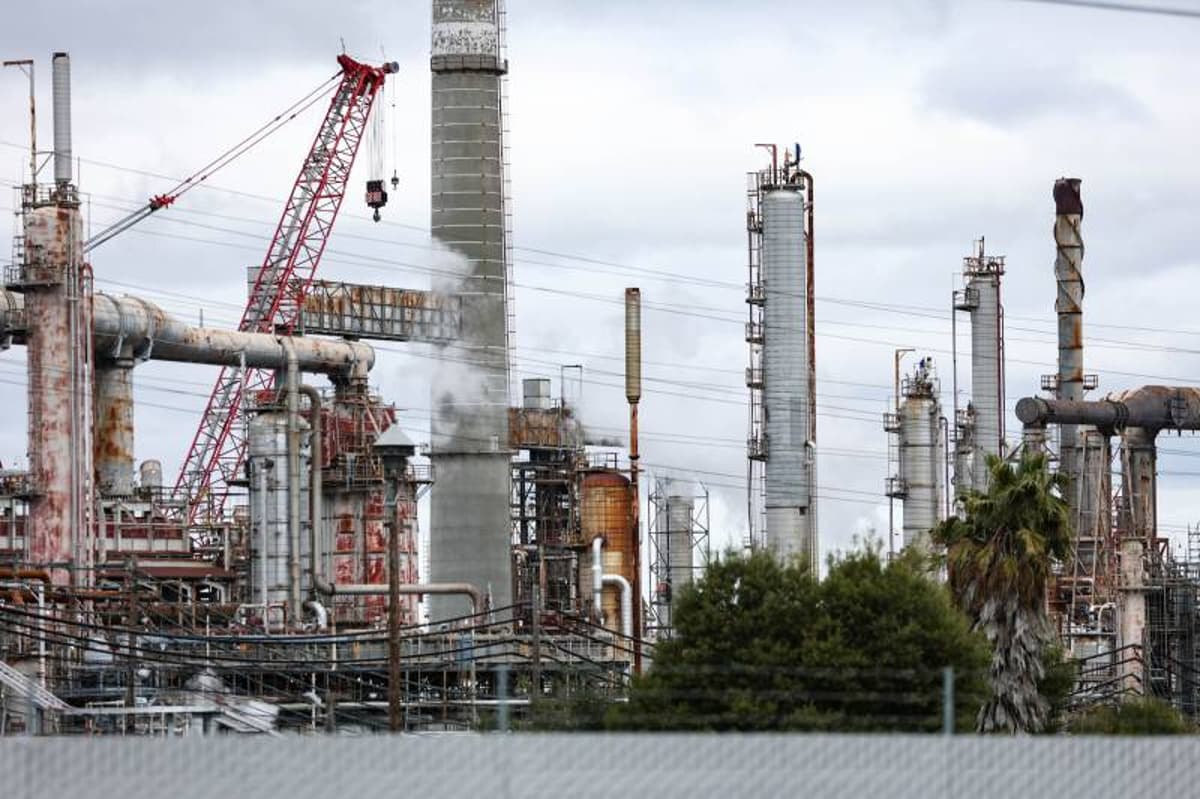
Martinez Renewable Refinery Workers Strike Amid Contract Dispute, Demand Safer Conditions
Why It Matters
The walkout highlights how safety lapses and staffing cuts can derail the transition to renewable fuels, prompting regulatory and reputational risks for major refiners. It also signals heightened labor activism that could affect operational continuity across the U.S. energy landscape.
Key Takeaways
- •More than 100 USW members walk off the job.
- •Strike follows a 2023 fire that left a worker 80% burned.
- •Safety culture rating of 65% falls below industry benchmarks.
- •Marathon cut 700 jobs in 2022, now employs 115 union staff.
- •Union demands better staffing and training to prevent future incidents.
Pulse Analysis
The Martinez Renewable refinery strike illustrates a classic labor‑safety flashpoint amplified by the plant’s recent conversion to bio‑fuels. Workers cite a 2023 blaze that left a colleague with third‑degree burns on 80% of his body as evidence of systemic understaffing and insufficient training. A third‑party safety‑culture assessment gave the facility a 65% rating, well under industry standards, reinforcing the union’s claim that Marathon’s cost‑cutting measures have compromised worker protection. By staging the walkout on Workers Memorial Day, the United Steelworkers underscore the human cost of neglecting safety protocols.
Marathon’s partnership with Finnish renewable‑fuel leader Neste in 2022 marked a strategic pivot from traditional petroleum refining to greener products. However, the transition was accompanied by a 700‑person layoff, including 345 unionized roles, leaving the refinery with just 115 USW‑represented employees. Such drastic workforce reductions strain operational oversight, especially in a complex, high‑hazard environment. The safety‑culture rating and the union’s demands for more staff and training suggest that the renewable‑fuel shift may be outpacing the company’s ability to maintain robust safety systems, a risk that could attract heightened scrutiny from regulators and investors alike.
The broader implications extend beyond Martinez. As U.S. refiners scramble to meet low‑carbon mandates, labor groups are likely to push back against staffing cuts that jeopardize safety. Persistent strikes can disrupt fuel supplies, erode shareholder confidence, and trigger fines or mandated corrective actions from agencies such as OSHA and Cal/OSHA. Companies must balance cost efficiencies with rigorous safety investments to sustain the renewable‑fuel agenda while preserving workforce stability and public trust.
Martinez Renewable Refinery Workers Strike Amid Contract Dispute, Demand Safer Conditions
Comments
Want to join the conversation?
Loading comments...