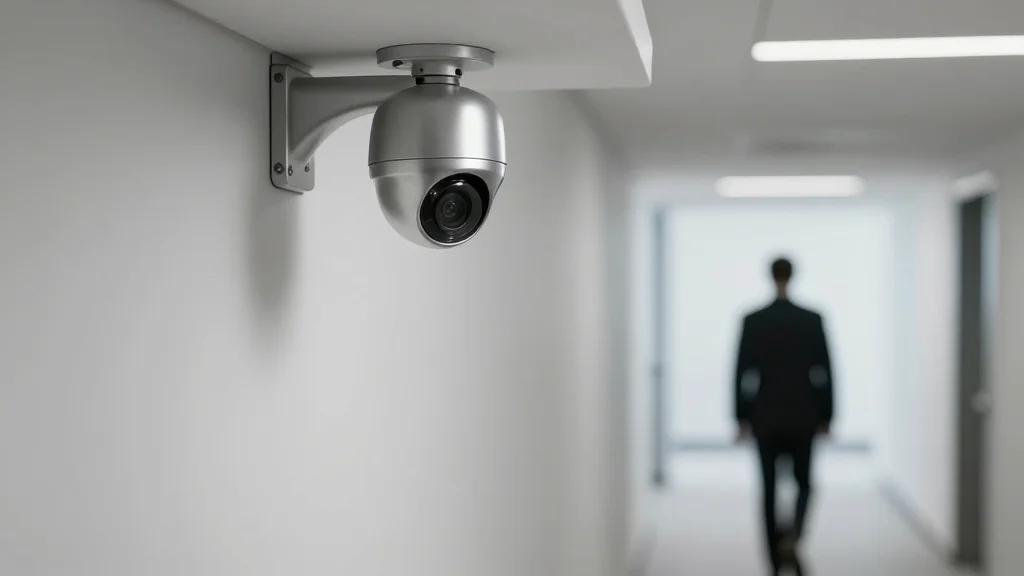
Michigan Legislature Introduces Bill to Restrict AI Employee Surveillance

Why It Matters
The RAISE Act could reshape how organizations collect and use employee data, forcing HR teams to rethink surveillance practices that have become commonplace since the pandemic. By mandating consent and providing a formal avenue to contest AI‑generated assessments, the bill addresses growing employee concerns about privacy, trust, and burnout, which are directly linked to retention and productivity. If passed, it would also create a regulatory template that other states might emulate, potentially leading to a patchwork of AI‑surveillance laws across the United States. Beyond compliance, the legislation highlights a broader shift toward responsible AI governance in the workplace. Companies that proactively adopt transparent monitoring policies may gain a competitive advantage in talent attraction and retention, while those that resist could face legal challenges, reputational damage, and higher turnover costs.
Key Takeaways
- •Michigan legislators introduced the Responsible AI Security for Employees (RAISE) Act to regulate AI‑driven workplace monitoring.
- •The bill requires written notice, employee consent, and offers an opt‑out option for specific tracking methods.
- •Three‑quarters of U.S. employers currently use some form of online monitoring; the market is projected at $4.6 billion this year.
- •Nearly 50 % of workers say increased monitoring would make them consider leaving their job.
- •If enacted, HR departments will need new compliance processes for consent tracking and algorithmic assessment challenges.
Pulse Analysis
The introduction of the RAISE Act reflects a tipping point where employee privacy concerns intersect with the rapid adoption of AI tools in HR. Historically, surveillance technologies were limited to time clocks and basic web filters; today's systems can infer productivity, mood, and even intent from continuous data streams. This evolution has outpaced existing labor laws, leaving a regulatory vacuum that states like Michigan are now trying to fill.
From a market perspective, vendors of employee‑monitoring software may face a slowdown in adoption if consent requirements become burdensome. Companies that have built their value proposition on seamless, invisible tracking could see a shift toward solutions that prioritize transparency and user control. Conversely, firms that already incorporate privacy‑by‑design features may find a new selling point, positioning themselves as compliant partners for organizations navigating the new legal landscape.
Looking ahead, the RAISE Act could catalyze a broader national conversation about AI ethics in HR. As more states observe Michigan's legislative experiment, we may see a cascade of similar bills, eventually prompting federal guidance. For HR leaders, the immediate takeaway is clear: proactive policy development, employee communication, and audit-ready consent mechanisms will be essential to stay ahead of regulatory risk and maintain workforce morale.
Michigan Legislature Introduces Bill to Restrict AI Employee Surveillance
Comments
Want to join the conversation?
Loading comments...