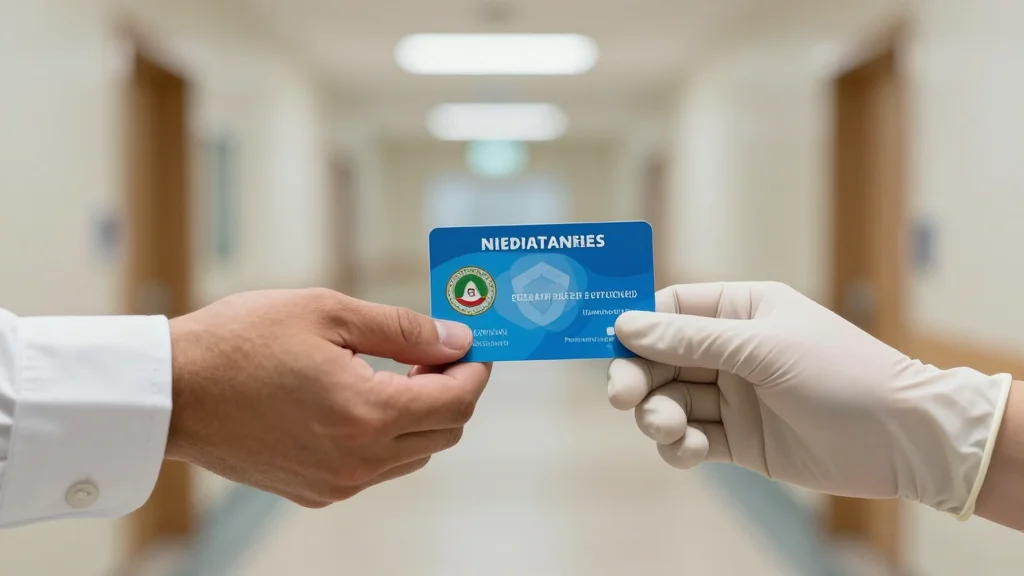
Nebraska Launches Medicaid Work Requirements, Sparking HR Concerns

Why It Matters
The Nebraska Medicaid work requirement directly intersects with human‑resources responsibilities, forcing HR teams to monitor employee eligibility for a critical benefit that is traditionally outside the scope of employer‑provided health plans. Missteps could lead to increased health‑care costs, higher turnover, and legal exposure for employers. Moreover, the policy serves as a bellwether for how other states might adopt similar work‑based eligibility criteria, potentially reshaping the national landscape of low‑income health coverage and employer‑driven benefits strategies. Beyond immediate compliance, the initiative raises broader questions about the role of government policy in shaping workforce participation and the adequacy of safety‑net programs. If thousands of Medicaid recipients lose coverage, the resulting strain on hospitals and employer health plans could accelerate calls for reform, influencing future legislative debates and HR best practices nationwide.
Key Takeaways
- •Nebraska began enforcing Medicaid work requirements on May 1, affecting ~70,000 enrollees.
- •HR departments must now track work hours, exemptions, and paperwork to prevent loss of coverage.
- •State estimates 72% of affected enrollees are likely exempt due to documented health conditions.
- •Hospitals warn of increased uninsured patients, potentially raising employer health‑care costs.
- •CMS Administrator Mehmet Oz praised the rollout but noted the system is still "working out the kinks."
Pulse Analysis
Nebraska’s early adoption of Medicaid work requirements creates a real‑world stress test for HR compliance frameworks that have traditionally focused on employer‑provided benefits rather than state‑administered programs. The immediate challenge is administrative: HR must integrate new eligibility checks into onboarding and benefits enrollment workflows, a task that may require new software, staff training, and close coordination with state portals. Companies that fail to adapt risk exposing employees to coverage gaps, which can translate into higher absenteeism, reduced productivity, and potential liability under the Americans with Disabilities Act if exemptions are mishandled.
Historically, work‑requirement experiments in states like Arkansas and Kentucky have resulted in significant coverage losses, with the Congressional Budget Office projecting 4.8 million new uninsured Americans over the next decade. Nebraska’s decision to launch eight months ahead of the federal deadline suggests a political calculus aimed at demonstrating compliance, but it also amplifies the risk of operational missteps. HR leaders should monitor the state’s reporting mechanisms and consider supplemental health options for at‑risk staff, especially those in low‑wage, part‑time, or gig roles who are most likely to fall under the new rules.
Looking ahead, the Nebraska case could set a precedent for other states seeking to leverage Medicaid as a lever for workforce participation. If the rollout proves administratively smooth and does not trigger massive coverage losses, it may embolden policymakers to expand work‑based eligibility criteria. Conversely, a wave of disenrollment could fuel renewed opposition and prompt federal reconsideration of the One Big Beautiful Bill Act. For HR professionals, the key takeaway is to treat Medicaid compliance as an integral component of talent management, not a peripheral concern, and to build flexible benefit strategies that can absorb policy volatility.
Nebraska Launches Medicaid Work Requirements, Sparking HR Concerns
Comments
Want to join the conversation?
Loading comments...