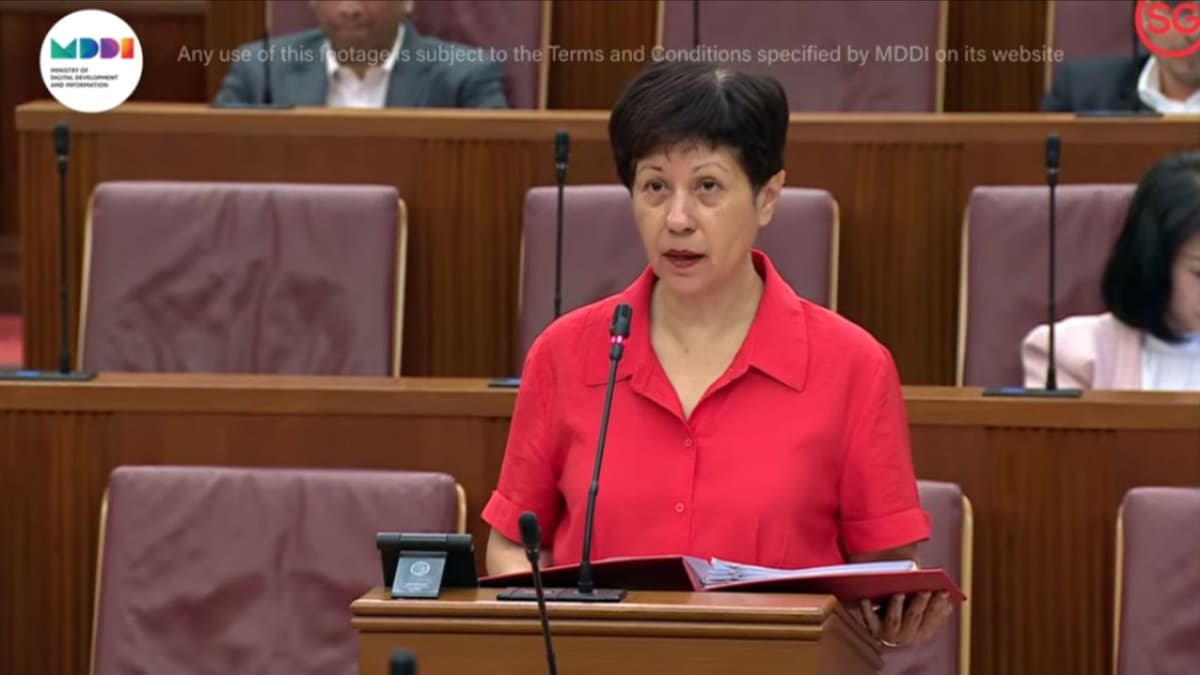
No Immediate Move to Expand Leave for Preterm Births or Adoption, Says Minister Indranee Rajah
Why It Matters
The stance signals that further statutory leave extensions will hinge on employer capacity, affecting workforce retention and gender equity in Singapore's labor market.
Key Takeaways
- •No immediate increase for preterm or adoption leave announced.
- •Parental leave now totals 30 weeks, with 10 weeks shared.
- •Government stresses flexible work as complementary support.
- •Adoption leave remains at 12 weeks, unlike 16‑week maternity leave.
Pulse Analysis
Singapore has positioned itself as a regional leader in family‑friendly legislation, progressively expanding paid parental leave over the past decade. In 2023 the government introduced a 10‑week Shared Parental Leave (SPL) scheme, bringing the total entitlement to 30 weeks when combined with existing maternity, paternity and childcare leave. These reforms aim to encourage greater paternal involvement and support dual‑income households, aligning the city‑state with OECD benchmarks that still lag behind many European nations. The latest parliamentary response, however, signals a pause on further statutory extensions for preterm‑birth and adoption scenarios.
The decision reflects a delicate balancing act between employee welfare and employer capacity. Singapore’s tripartite model—government, unions and business groups—relies on consensus to avoid sudden cost spikes for firms still adapting to recent leave upgrades. By urging companies to adopt flexible work arrangements, telecommuting options and compassionate leave policies, the ministry shifts part of the caregiving burden onto workplace culture rather than legislation alone. Analysts note that such non‑statutory measures can mitigate talent attrition, especially in sectors facing labor shortages, while preserving productivity and competitiveness.
Looking ahead, the conversation around adoption leave and support for parents of preterm infants is likely to resurface as demographic pressures intensify. With Singapore’s fertility rate hovering around 1.1 children per woman, policymakers are under pressure to make parenthood more viable without eroding the business climate. Any future amendment will probably hinge on measurable employer readiness and the effectiveness of current flexible‑work initiatives. For multinational firms operating in the region, monitoring these policy nuances offers insight into broader trends of work‑life integration that are reshaping talent strategies across Asia.
No immediate move to expand leave for preterm births or adoption, says Minister Indranee Rajah
Comments
Want to join the conversation?
Loading comments...