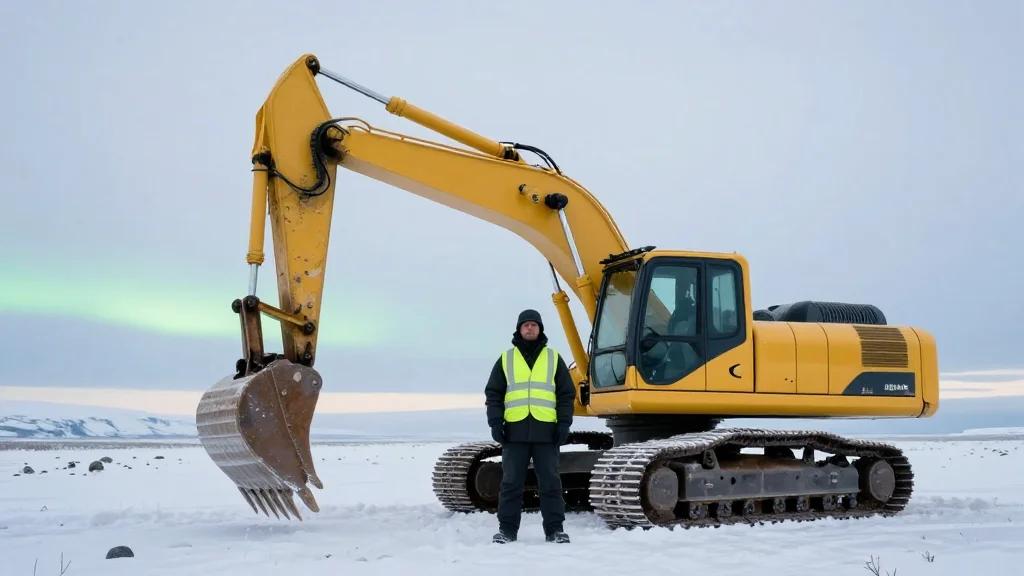
Nunavut Premier Sets Inuit Mining Employment as Top Priority
Why It Matters
Boosting Inuit participation addresses a critical skills gap and strengthens social licence for mining, directly influencing Nunavut’s economic future. It also signals a shift toward Indigenous‑led resource governance in Canada.
Key Takeaways
- •Inuit currently hold <10% of mining workforce in Nunavut
- •New territorial department will control mining permits and approvals
- •Companies risk permit delays if Inuit hiring targets aren't met
- •Local training programs could reduce reliance on southern labor
Pulse Analysis
Nunavut’s mining industry, worth hundreds of millions of dollars annually, sits on traditional Inuit lands and has long relied on fly‑in labor from southern Canada. The territory’s recent devolution from federal control gives it unprecedented authority over land, resource assessments, and permit issuance. Premier John Main’s pledge to prioritize Inuit employment aligns with a broader governmental push to translate that authority into tangible community benefits, addressing a persistent under‑representation that has hampered local economic inclusion.
The creation of a dedicated department to oversee mining approvals introduces a regulatory lever that could reshape hiring practices. By tying permit renewals to measurable Inuit hiring and training outcomes, the government is effectively embedding social responsibility into the core of project economics. Mining firms will likely need to invest in apprenticeship programs, on‑the‑job training, and partnerships with Inuit organizations to meet these expectations, potentially increasing operational costs but also fostering a more stable, locally supported workforce.
Across Canada, Indigenous employment initiatives are gaining traction as a metric of corporate social responsibility and a condition for operating in sensitive regions. Nunavut’s approach could become a benchmark, encouraging other jurisdictions to adopt similar employment‑linked permitting frameworks. If successful, the policy could reduce reliance on external labor, lower turnover, and improve community relations, ultimately enhancing the long‑term viability of mining projects in the Arctic. However, firms must balance short‑term compliance costs with the strategic advantage of a skilled Inuit labor pool that can drive sustainable growth in the region.
Nunavut premier sets Inuit mining employment as top priority
Comments
Want to join the conversation?
Loading comments...