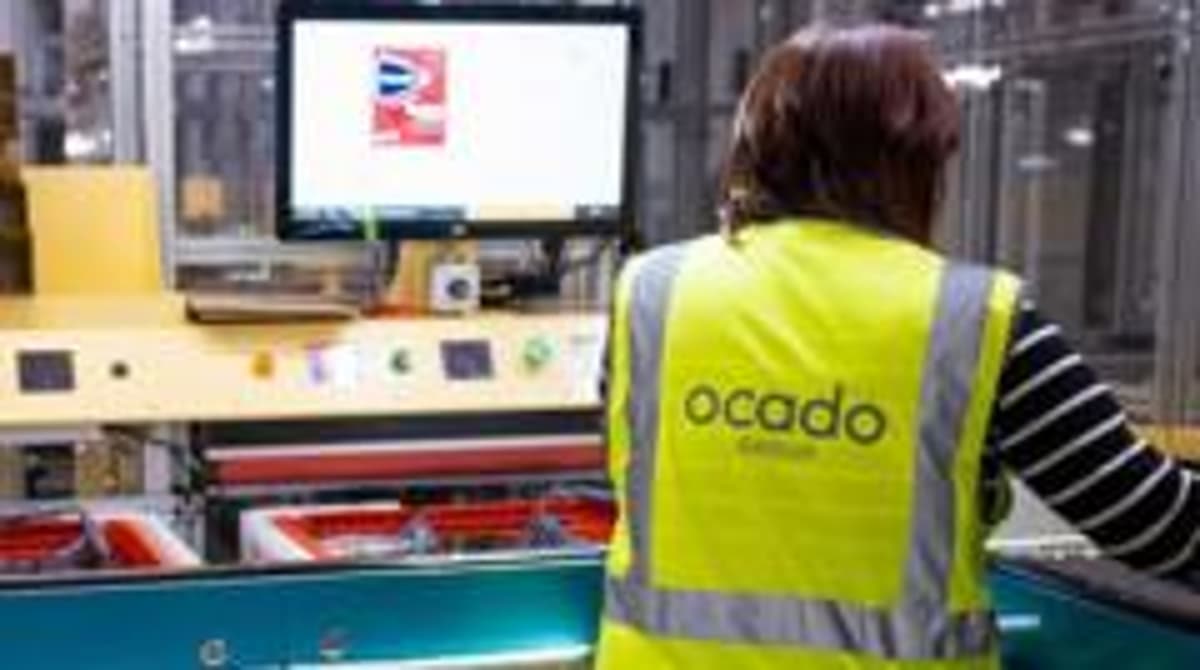
Ocado to Axe 1,000 Jobs in Cost-Cutting Drive
•February 26, 2026
0
Why It Matters
The layoffs reflect mounting pressure on Ocado to restore profitability after partner withdrawals, and the cost savings are crucial for maintaining its competitive position in the rapidly evolving e‑commerce grocery market.
Key Takeaways
- •Ocado cuts 1,000 jobs, 5% workforce.
- •Two‑thirds of cuts located in UK headquarters.
- •Reductions target tech and support functions.
- •Cuts aim to save £150 million annually.
- •North American partner closures triggered restructuring.
Pulse Analysis
Ocado Group, founded as a pure‑play online grocery retailer, has evolved into a technology provider that supplies automated fulfilment platforms to major supermarkets worldwide. Its dual‑track model—running its own consumer brand while licensing robotics and software to partners—has attracted investors but also exposed the company to partner‑specific risks. Recent setbacks, including the decision by US giant Kroger and Canada’s Sobeys to shut Ocado‑run fulfilment centres, have eroded revenue streams and highlighted the fragility of its expansion strategy.
In response, Ocado unveiled a restructuring plan that will see roughly 1,000 roles, about five percent of its workforce, eliminated, with the bulk of reductions in the United Kingdom. By concentrating cuts on technology development and support functions, the firm targets a £150 million reduction in its cost base, a figure that could significantly improve operating margins. The move also signals a shift toward a leaner organisational structure, prioritising core platform licensing over in‑house retail operations, which may enhance cash flow stability.
The broader grocery‑tech sector is watching Ocado’s retrenchment as a bellwether for the sustainability of high‑capital automation models. As retailers accelerate digital transformation, providers must balance investment in robotics with disciplined cost management. Ocado’s job cuts could accelerate consolidation, prompting rivals to reassess staffing levels and partnership terms. For investors, the cost‑saving initiative offers a clearer path to profitability, but the company must still prove its technology can deliver value to existing and future supermarket partners.
Ocado to axe 1,000 jobs in cost-cutting drive
0
Comments
Want to join the conversation?
Loading comments...