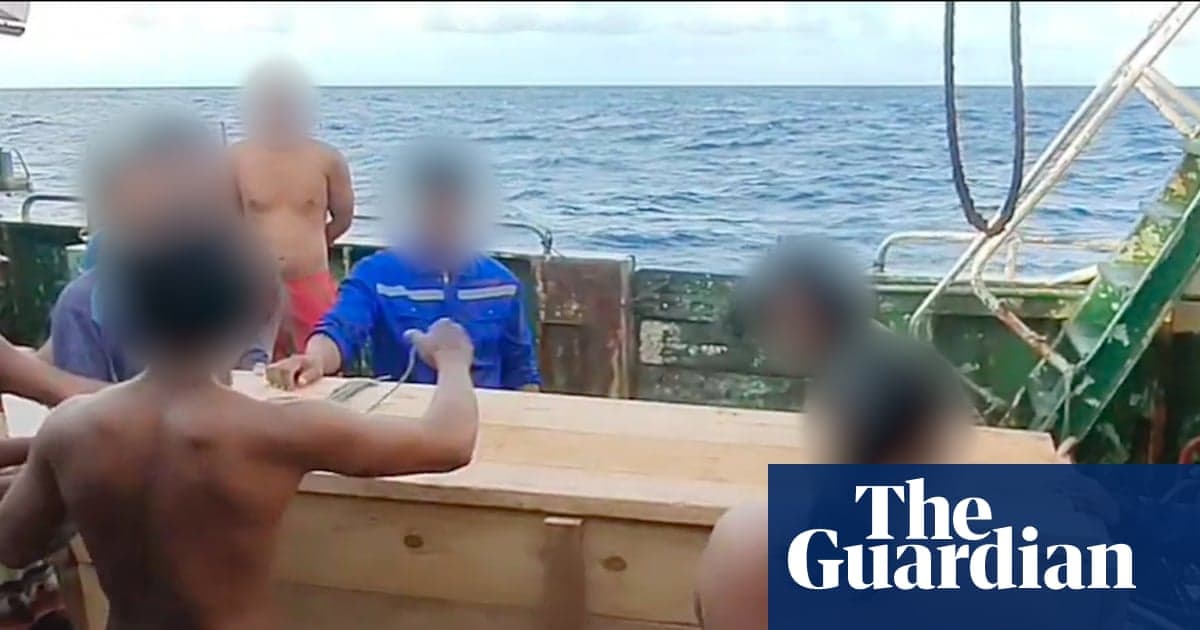
One Ship, Three Deaths: The Shocking Truth Behind Working Conditions on a Chinese Fishing Vessel
Why It Matters
These deaths expose systemic labor abuse in China’s distant‑water fleet, threatening both human rights and the integrity of global seafood supply chains, and intensify pressure on regulators to enforce transparency.
Key Takeaways
- •Three migrant fishers died on Tai Xiang 5 from beriberi.
- •Crew earned ~US$300 monthly, worked 16‑hour days without care.
- •EJF verified video, linking deaths to Chinese state‑owned fleet.
- •Caught tuna may enter EU, UK, Japan markets.
- •Global Charter for Fisheries Transparency urged by NGOs.
Pulse Analysis
The Tai Xiang 5 tragedy underscores how extreme neglect on Chinese distant‑water vessels can turn a routine tuna catch into a human‑rights disaster. Workers, recruited from Indonesia and the Philippines, were paid the equivalent of a low‑income wage—about US$300 per month—while logging 16‑hour days in the Indian Ocean. A diet of stale bait fish and contaminated water precipitated beriberi, a vitamin‑deficiency disease that claimed three lives. The crew’s deteriorating health, captured on video by EJF, highlights the opaque labor practices that persist despite the vessel’s licensing to supply high‑value markets.
Beyond the immediate loss of life, the incident raises alarm bells for the global seafood supply chain. The tuna harvested by Tai Xiang 5 is earmarked for export to the European Union, United Kingdom, Japan and South Korea—regions that rely on traceability to assure food safety and ethical sourcing. Yet recent data show that the UK has rejected only four Chinese seafood consignments since 2012, suggesting that existing import controls are insufficient. NGOs and industry watchdogs are now urging the adoption of a Global Charter for Fisheries Transparency, which would mandate rigorous documentation of vessel ownership, crew conditions, and catch provenance, thereby protecting consumers and deterring illicit practices.
The broader labor context is equally concerning. While the International Labour Organization’s Work in Fishing Convention sets standards for safe working hours, fair wages and medical care, most Southeast Asian nations have not ratified it, leaving migrant fishers vulnerable. The EJF findings could catalyze policy shifts, prompting governments to tighten port inspections and compel fishing companies to adhere to internationally recognised labor norms. For consumers, heightened awareness may drive demand for certified sustainable seafood, pressuring retailers to source only from vessels that meet transparent, humane standards.
One ship, three deaths: the shocking truth behind working conditions on a Chinese fishing vessel
Comments
Want to join the conversation?
Loading comments...