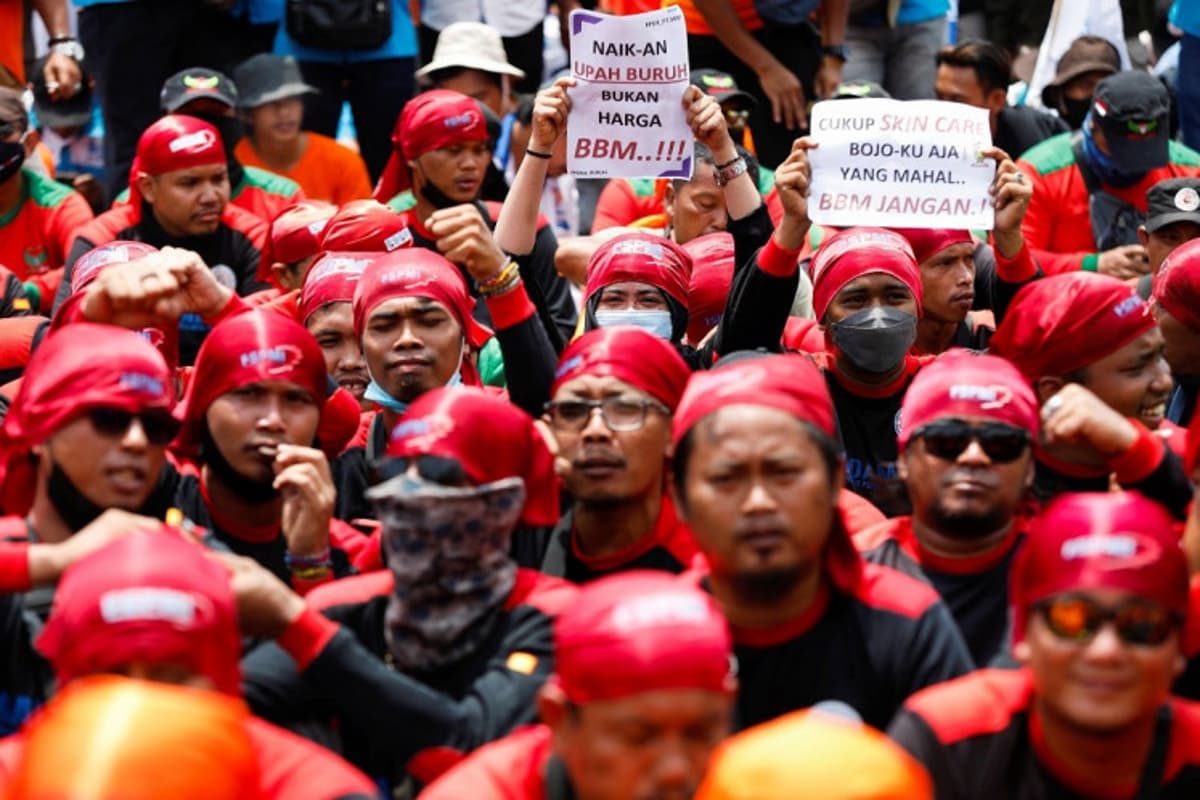
Outsourcing Reform: Protection with Two-Tier Responsibility
Why It Matters
By tightening outsourcing rules, Indonesia seeks to protect workers without sacrificing the flexibility that specialized service providers offer, influencing labor stability and investment attractiveness across Southeast Asia.
Key Takeaways
- •Permenaker 7/2026 limits outsourcing to supporting activities only
- •Two‑tier responsibility makes outsourcing firms liable for workers’ rights
- •Ambiguity remains around “operational support” definition
- •Success hinges on firm capacity, enforcement clarity, and rights portability
- •Potential rise in permanent hiring as core functions return in‑house
Pulse Analysis
Indonesia’s outsourcing overhaul marks a decisive pivot from the 2020 Job Creation Law, which had opened virtually any function to contract work. By confining outsourcing to non‑core services—cleaning, security, transport, and similar support roles—Permenaker 7/2026 restores a two‑decade‑old principle that treats core business activities as a direct employer responsibility. This regulatory reset is designed to curb the practice of using outsourcing as a loophole for evading labor obligations, while still preserving the economic benefits of specialization for sectors that lack in‑house expertise.
The centerpiece of the new framework is a two‑tier responsibility system. Outsourcing firms are now explicitly accountable for wages, overtime, social security and severance, whereas principal companies act as compliance overseers. This division mirrors safeguards in Vietnam, where a labour‑outsourcing licence and a financial‑guarantee fund are mandatory, and the Philippines, which requires a paid‑up capital of roughly US $81,000. However, the regulation leaves room for interpretation in the “operational support” category, a gray zone that could be exploited to re‑classify core functions. Moreover, the effectiveness of the model hinges on the financial health of outsourcing firms and the creation of portable rights mechanisms—an approach successfully employed by South Korea to protect workers when vendors change.
For businesses, the shift signals a likely increase in permanent hiring as companies can no longer outsource core competencies. This transition will raise the skill bar for workers in previously outsourced roles, prompting a need for upskilling programs and stronger vocational training. Investors may view the clearer labor rules as a reduction in regulatory risk, potentially boosting confidence in Indonesia’s market. Yet, the ultimate impact will be measured by how rigorously the boundaries are enforced, the robustness of outsourcing firms, and the establishment of a rights‑portability fund that safeguards long‑term employee benefits.
Outsourcing reform: Protection with two-tier responsibility
Comments
Want to join the conversation?
Loading comments...