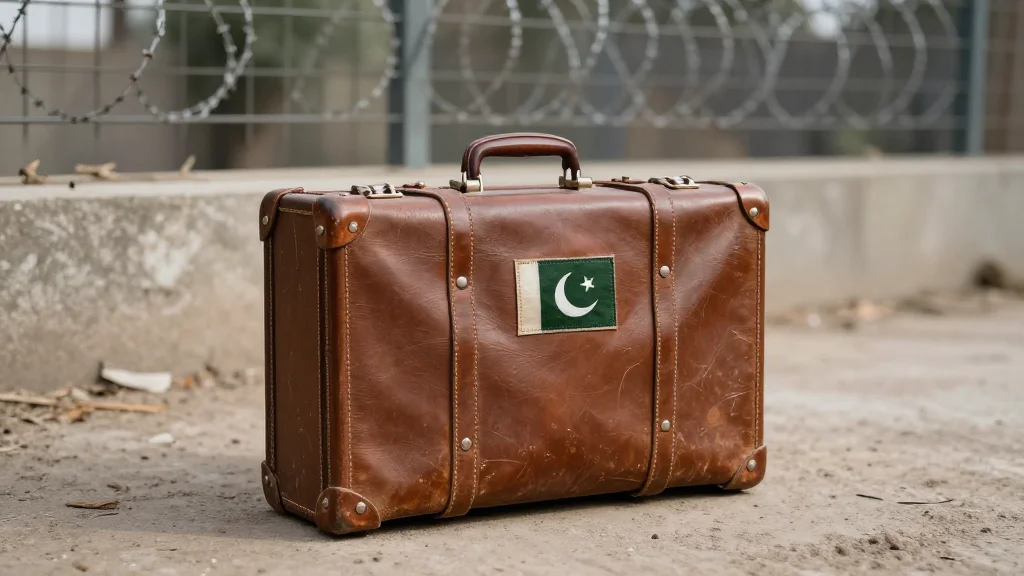
Pakistan's Costly Exit Permits and Visa Fees Stall Afghan Refugee Labor Integration

Why It Matters
The labor‑market exclusion of Afghan refugees deepens poverty, fuels informal employment, and strains Pakistan's social safety nets. By keeping a sizable, able workforce in the shadows, the country forfeits potential economic gains and risks heightened social tension. Moreover, the policy undermines international commitments to protect displaced persons, exposing Pakistan to diplomatic criticism and possible sanctions. A more inclusive approach could unlock millions of work hours, reduce wage suppression in low‑skill sectors, and improve public health outcomes by formalizing employment and associated benefits. The issue also serves as a bellwether for how South Asian nations will handle future displacement crises, making it a pivotal human‑resources challenge for the region.
Key Takeaways
- •Pakistan requires a $2,650 exit‑permit fine for overstayed Afghan visas
- •Black‑market tourist visas cost up to $3,100, far above the official $8 fee
- •Afghan refugees face legal barriers to formal employment in Pakistan
- •Security concerns drive strict visa policies, while employers rely on informal Afghan labor
- •Humanitarian groups call for affordable work‑permit reforms to integrate refugees
Pulse Analysis
Pakistan's current refugee policy reflects a classic trade‑off between security and economic efficiency. By imposing prohibitive fees, the state effectively outsources border control to private fixers, creating a shadow economy that benefits neither the refugees nor the formal labor market. Historically, countries that have embraced low‑cost work permits for displaced populations—such as Germany's 2015 integration program—have seen measurable gains in tax revenue and productivity. Pakistan, by contrast, is missing a comparable upside.
The political calculus is also shifting. Domestic pressure to curb illegal immigration is high, but the cost of informal labor—lower wages, lack of social protections, and heightened exploitation—feeds into broader socioeconomic instability. As the Afghan conflict drags on, the refugee population is unlikely to shrink, meaning the status quo will become increasingly unsustainable. A calibrated reform that lowers exit‑permit fees and introduces a tiered work‑permit system could unlock a hidden labor pool, reduce informal sector wages, and improve compliance with international refugee norms.
In the medium term, Pakistan's decision will influence regional labor dynamics. If it moves toward integration, neighboring states may follow suit, creating a more fluid talent pipeline across South Asia. Conversely, maintaining the current punitive regime could push refugees toward dangerous migration routes, exacerbating human‑rights concerns and potentially destabilizing border regions. The stakes are high, and the next policy window—likely within the next six months as international donors reassess aid allocations—will determine whether Pakistan turns a humanitarian crisis into an economic opportunity or deepens a chronic HR challenge.
Pakistan's costly exit permits and visa fees stall Afghan refugee labor integration
Comments
Want to join the conversation?
Loading comments...