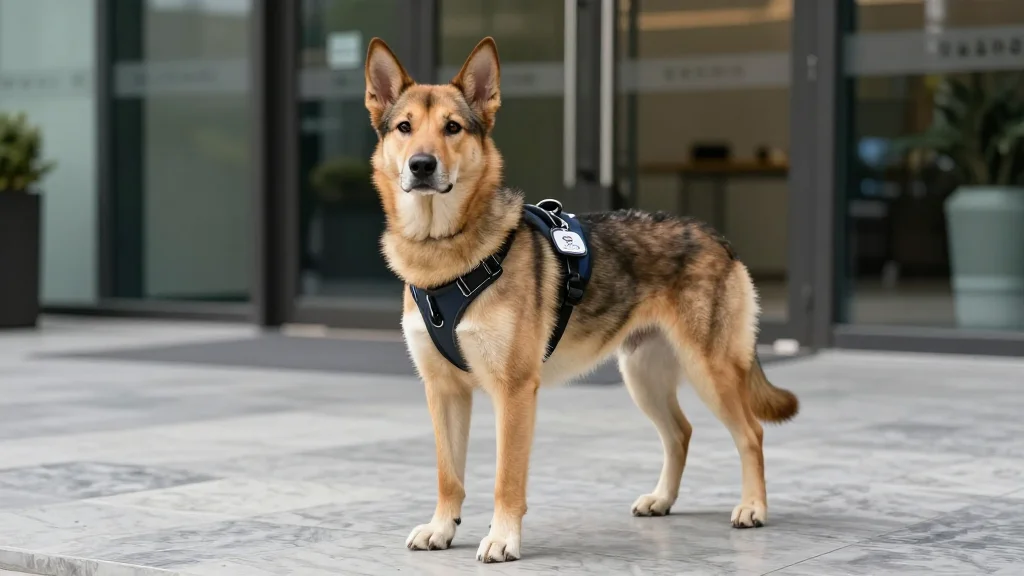
Pets at Work? How Benefit Teams Can Prep to Accommodate Service Animals
Why It Matters
Accommodating service animals helps firms avoid costly ADA lawsuits and boosts employee loyalty, directly influencing talent retention in a competitive labor market.
Key Takeaways
- •Service animal requests up 30% YoY in large firms
- •ADA requires reasonable accommodation for service animals, not pets
- •Clear policies reduce legal risk and improve employee retention
- •Training managers on animal etiquette boosts workplace inclusion
- •Cost of accommodations averages $500 per request, offset by reduced turnover
Pulse Analysis
The rise of service‑animal requests reflects broader societal acceptance of disability accommodations and the growing visibility of neurodiverse and physically impaired workers. While the ADA has long mandated that qualified service animals be allowed in the workplace, recent surveys show a 30 percent year‑over‑year increase in formal accommodation requests. This uptick forces benefit teams to revisit existing policies, ensuring they differentiate between service animals, which are protected, and personal pets, which are not. Legal counsel advises that documentation, such as a simple verification form, can satisfy compliance without infringing on privacy.
HR and benefits professionals are now tasked with building practical frameworks that balance legal compliance, employee comfort, and operational continuity. Best practices include drafting a concise accommodation policy, training managers on animal etiquette, and designating animal‑friendly zones to minimize disruption. Many firms partner with third‑party vendors to provide on‑site animal‑care resources, reducing the administrative burden on internal teams. By standardizing the request process—often through an online portal—companies can track accommodation costs, which average around $500 per request, and monitor any impact on productivity.
From a business perspective, proactive service‑animal accommodations can be a differentiator in talent acquisition and retention. Employees who feel supported are less likely to seek opportunities elsewhere, translating into lower turnover costs that far exceed the modest expense of accommodation. Moreover, an inclusive environment signals a progressive corporate culture, attracting a broader talent pool and enhancing brand reputation. As the workforce continues to prioritize flexibility and well‑being, benefit teams that master service‑animal accommodations will position their organizations for sustainable growth.
Pets at work? How benefit teams can prep to accommodate service animals
Comments
Want to join the conversation?
Loading comments...