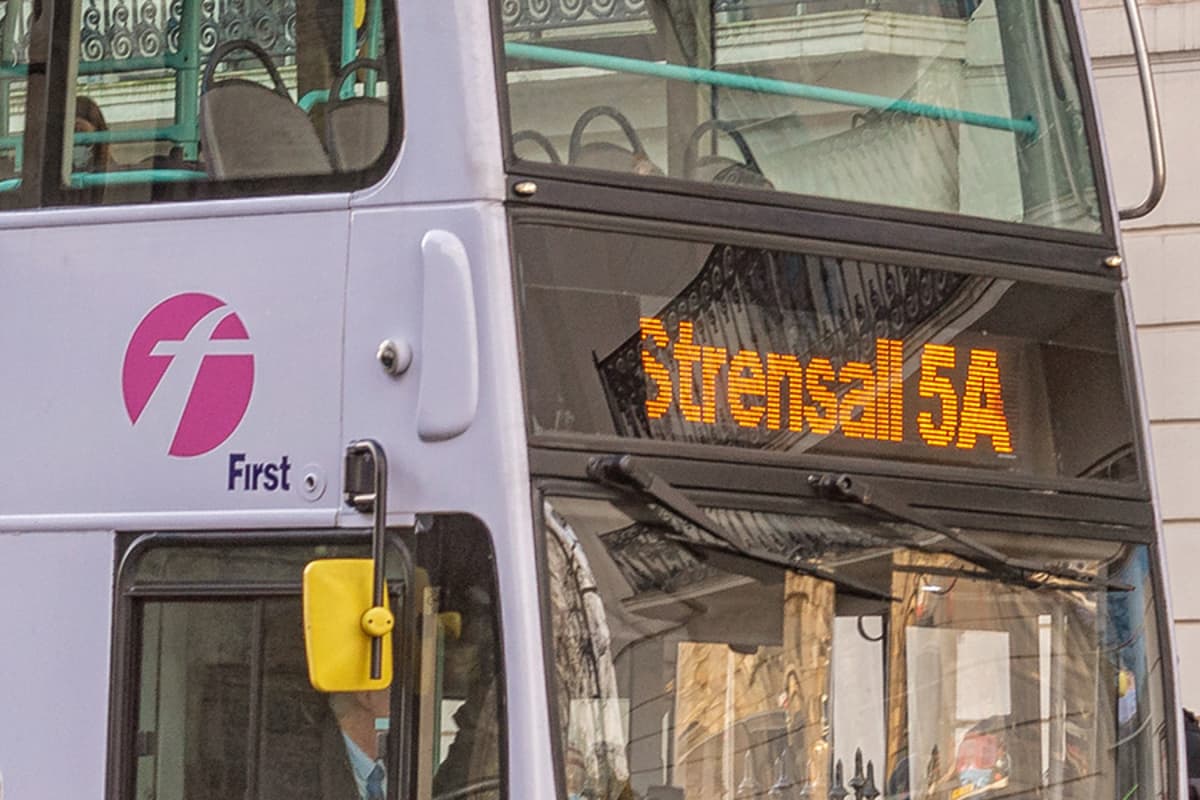
‘Physically Demanding’ | First Bus to Offer Staff Paid Leave for IVF Treatments
•March 9, 2026
0
Why It Matters
Providing paid IVF leave enhances First Bus’s employer brand and helps retain talent in a competitive labor market, especially among workers planning families. It signals broader industry movement toward comprehensive, inclusive employee benefits.
Key Takeaways
- •Five days paid IVF leave for employees starting June 2026
- •Partners receive two days paid leave for IVF support
- •Policy responds directly to employee feedback on fertility needs
- •First Bus aims to strengthen inclusive employer brand
- •Potential to improve retention among workforce of child‑bearing age
Pulse Analysis
First Bus’s new IVF leave policy reflects a wider shift in corporate HR strategy, where firms are extending benefits beyond traditional health coverage to address reproductive health. In the UK, fertility treatments remain costly and emotionally taxing; offering five days of paid leave for employees and two for partners reduces financial strain and signals genuine support. This move aligns with emerging best practices among progressive employers seeking to differentiate themselves in talent‑war environments.
The financial services and transport sectors have long grappled with talent shortages, particularly among younger workers planning families. By institutionalising fertility support, First Bus not only mitigates turnover risk but also positions itself as an employer of choice for the growing demographic of child‑bearing age employees. Early data from comparable programs suggest modest productivity gains and lower recruitment costs, as employees feel valued and are less likely to seek opportunities elsewhere.
Industry observers anticipate that First Bus’s initiative could catalyse similar policies across the UK’s public‑transport and logistics firms, especially as regulatory bodies explore guidelines for inclusive workplace benefits. As societal expectations evolve, companies that proactively address reproductive health are likely to reap reputational dividends and attract a more diverse talent pool. The IVF leave rollout thus serves both a humanitarian purpose and a strategic business advantage, reinforcing First Bus’s commitment to an inclusive, supportive workplace culture.
‘Physically demanding’ | First Bus to offer staff paid leave for IVF treatments
0
Comments
Want to join the conversation?
Loading comments...