Premier Guarantees Taiwan's Minimum Wage to Exceed NT$30,000 Next Year
Why It Matters
Raising the minimum wage boosts household purchasing power and signals confidence in Taiwan's growth, while also addressing labor equity for both local and migrant workers. The move may influence regional wage competition and affect business cost structures.
Key Takeaways
- •Minimum wage to exceed NT$30,000 (≈US$950) in 2027
- •Taiwan's minimum wage has risen for 10 consecutive years
- •Premier Cho pledges increase without needing legislative approval
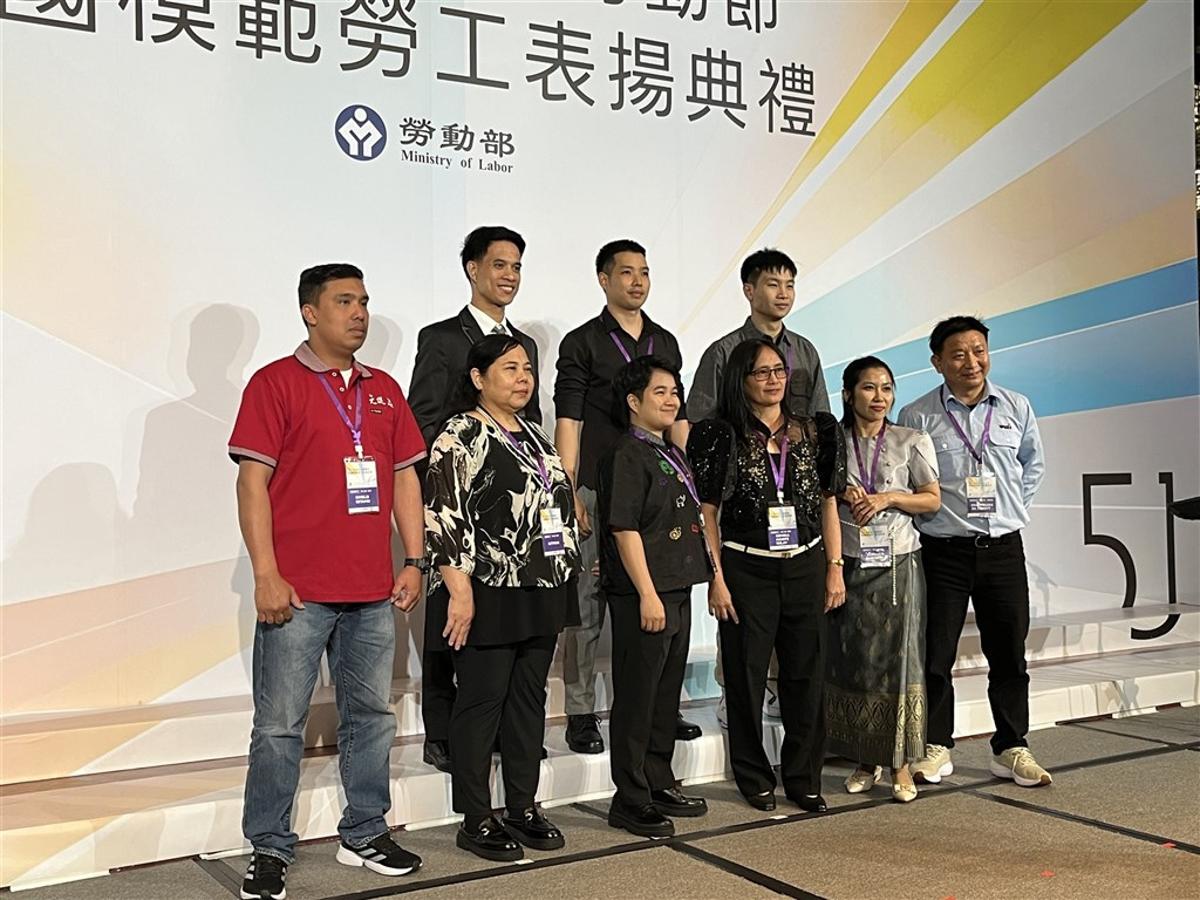
- •Migrant workers highlighted for contributions in caregiving and manufacturing
- •Model Worker awards showcase skilled foreign labor in Taiwan
Pulse Analysis
Taiwan’s decision to push the monthly minimum wage past NT$30,000 reflects a broader policy trend of using wage growth as a catalyst for domestic consumption. Over the past ten years, the Executive Yuan has incrementally lifted the floor, sidestepping legislative bottlenecks and allowing swift adjustments in response to economic data. By anchoring the next increase at roughly US$950, the government aims to preserve real wages amid modest inflation, thereby sustaining consumer demand that fuels the island’s export‑driven sectors.
The pledge arrives as Taiwan’s economy shows robust momentum, with manufacturing output and services expanding faster than regional peers. Higher wages are expected to translate into greater disposable income for low‑income households, potentially spurring retail sales and housing demand. However, businesses—particularly small and medium‑sized enterprises—will need to absorb higher labor costs, prompting a reassessment of pricing strategies and productivity investments. Analysts suggest that the wage hike could also narrow the talent gap, encouraging firms to adopt automation and upskilling programs to maintain competitiveness.
Beyond the macroeconomic implications, the announcement highlights the political and social importance of migrant workers in Taiwan’s labor ecosystem. By honoring ten foreign laborers at the Model Worker ceremony, the administration signals a commitment to inclusive labor policies and acknowledges the essential roles these workers play in caregiving, manufacturing, and agriculture. This public recognition may ease integration challenges and improve retention, while also positioning Taiwan as a more attractive destination for skilled migrants in a competitive regional market.
Premier guarantees Taiwan's minimum wage to exceed NT$30,000 next year
Comments
Want to join the conversation?
Loading comments...