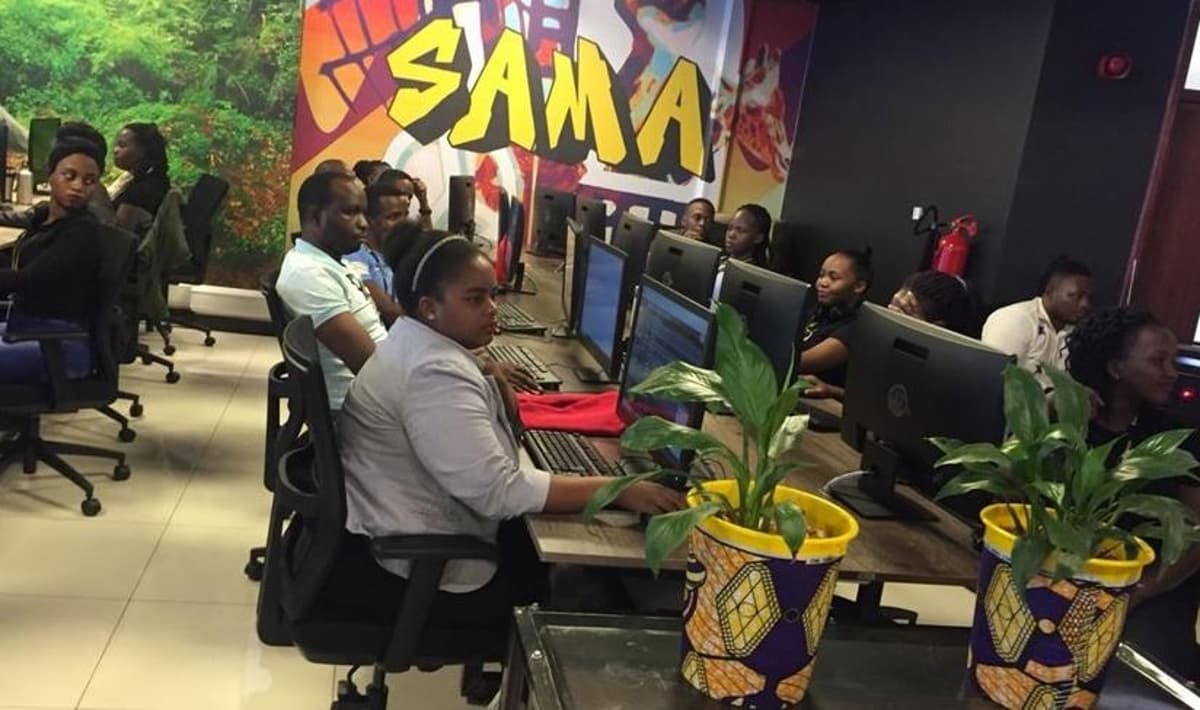
Sama to Lay Off over 1,100 Kenyan Workers After Meta Contract Ends



Why It Matters
The layoffs highlight Kenya’s vulnerability to contract volatility in the AI value chain, raising concerns about job security and the long‑term sustainability of impact‑sourcing models that depend on a few large tech customers.
Key Takeaways
- •Sama cuts 1,108 Nairobi jobs after Meta ends contract
- •Layoffs expose Kenya's AI outsourcing dependence on few US clients
- •Company pledges counseling and transition support for displaced workers
- •Impact sourcing model faces sustainability questions amid contract volatility
- •Meta's AI glasses data labeling raised privacy and consent concerns
Pulse Analysis
Kenya has emerged as a pivotal hub for impact sourcing, where firms like Sama provide low‑cost, ethically framed data‑annotation services for global AI developers. The sector’s rapid growth attracted multinational tech giants, positioning Nairobi as a critical node in the machine‑learning supply chain. However, the concentration of revenue on a few large contracts—most notably with Meta—creates systemic risk. When Meta pulled the plug on its content‑moderation and Ray‑Ban smart‑glasses data‑labeling program, Sama was forced to issue a redundancy notice to over a thousand employees, exposing the precariousness of the model.
The sudden loss of a flagship contract reverberates beyond Sama’s workforce, threatening the broader Kenyan digital‑jobs agenda championed by government and development agencies. While Sama touts living wages, health benefits, and mental‑health support, the reality of mass layoffs underscores the limited bargaining power of African outsourcing firms. Labor activists have long criticized the emotional toll of content‑moderation work, and the recent Swedish investigation into privacy violations linked to Meta’s AI glasses adds a layer of reputational risk. As companies reassess offshore data‑labeling strategies, Kenya’s labor market may face a wave of underemployment unless diversification occurs.
Looking ahead, the industry must pivot toward a more resilient client mix and invest in higher‑value services such as model evaluation, AI ethics consulting, and localized AI product development. Policymakers could incentivize domestic AI research and encourage multinational firms to spread contracts across multiple African partners, reducing dependency on single‑client relationships. For Sama, maintaining rigorous data‑security standards and expanding into new verticals will be essential to retain relevance. The episode serves as a cautionary tale for emerging AI hubs: sustainable growth hinges on diversified revenue streams, robust worker protections, and transparent governance of the data that powers tomorrow’s algorithms.
Sama to lay off over 1,100 Kenyan workers after Meta contract ends
Comments
Want to join the conversation?
Loading comments...