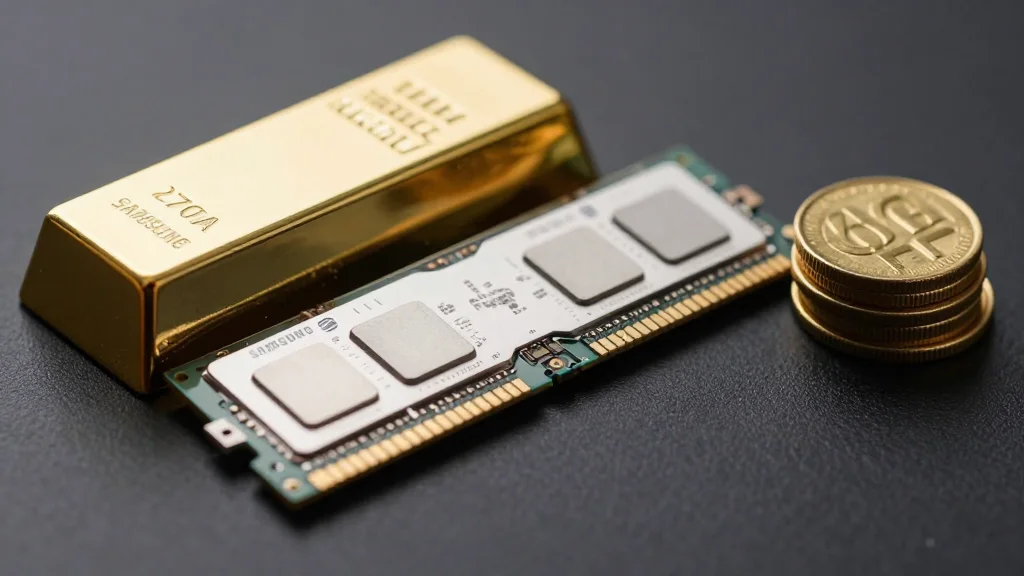
Samsung Workers Demand Bigger Slice of Surging AI Profits
Companies Mentioned
Why It Matters
A prolonged strike would jeopardize the tight AI‑chip supply, hit Samsung’s earnings, and pressure other Korean conglomerates to rethink profit‑sharing models. The outcome may reshape labor‑management norms in the high‑tech sector worldwide.
Key Takeaways
- •Unions seek 15% profit share and 7% wage rise
- •Strike could cost Samsung $7‑13 bn in direct losses
- •Samsung’s Q1 profit hit $32.6 bn, stock tops $1 trn
- •SK Hynix already allocates 10% profit to workers
- •Potential walkout threatens global AI‑chip supply chain
Pulse Analysis
Samsung’s labor dispute underscores how the AI‑driven semiconductor boom is reshaping corporate‑worker dynamics. After reporting a record first‑quarter profit of Won 47.2 tn (about $32.6 bn) and a market cap surpassing $1 trn, the company’s unions are demanding a 15% slice of operating profit and a 7% wage increase. Management’s counteroffer of roughly 13% falls short of the workers’ call for a permanent, contract‑based bonus, setting the stage for an 18‑day walkout that could begin on May 21.
The stakes extend beyond Samsung’s balance sheet. An extended strike would tighten an already constrained supply of high‑bandwidth memory chips essential for AI data centers, potentially inflating prices for downstream manufacturers. Economists estimate direct losses of Won 10‑17 tn (approximately $7‑13 bn), with indirect damage to Samsung’s burgeoning contract‑chip business and to the 1,700 suppliers linked to its ecosystem. South Korea’s first‑quarter GDP growth, partly driven by chip‑making, could also feel the shock, echoing the broader regional reliance on semiconductor exports.
Comparisons with rival SK Hynix highlight divergent labor strategies. Hynix has pledged a decade‑long 10% profit share, translating to average bonuses near $475,000 per employee, while Samsung workers anticipate far lower payouts under current proposals. The dispute may force Samsung to reconsider its “One Samsung” model, possibly spinning off the semiconductor unit or granting it quasi‑autonomous status to align incentives. How the company resolves the issue will signal whether AI‑fuelled profitability can coexist with equitable worker compensation in the tech industry.
Samsung workers demand bigger slice of surging AI profits
Comments
Want to join the conversation?
Loading comments...