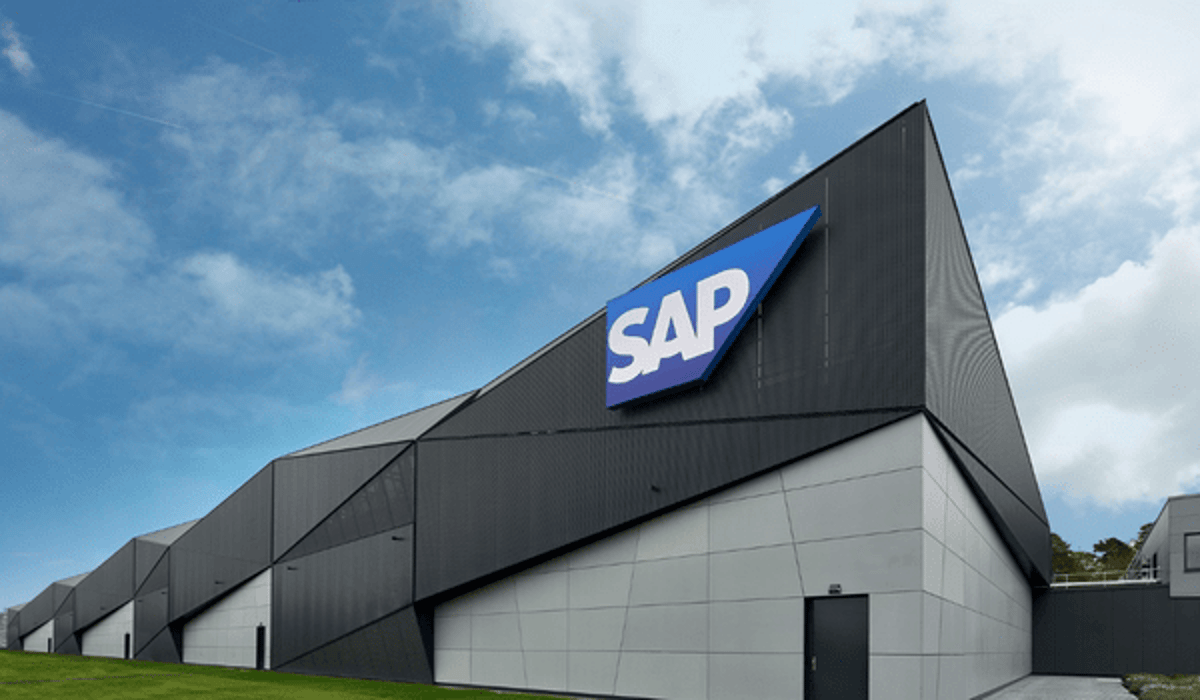
SAP Faces Employee Uproar over Bonus Overhaul
•March 2, 2026
0
Why It Matters
The dispute highlights governance and fairness risks that could erode employee trust and affect SAP's ability to execute its AI strategy. Investor confidence may also be pressured if talent retention worsens.
Key Takeaways
- •SAP's new bonus plan favors senior managers
- •Junior staff must exceed targets for bonuses
- •Millions euros earmarked for plan adjustments
- •Employee trust in leadership has declined
- •AI pivot intensifies morale pressures
Pulse Analysis
SAP's recent compensation overhaul illustrates the delicate balance between performance‑based pay and perceived equity. By creating five salary bands, the firm aimed to incentivize higher output, yet the exemption for senior leaders sparked accusations of double standards. Employees across the T1‑T3 tiers now face stricter metrics, while T4‑T5 managers retain partial eligibility even when key goals slip. The backlash forced SAP to allocate several million euros for remedial adjustments, signaling that financial incentives alone cannot resolve underlying trust issues.
The timing of the controversy coincides with SAP's broader strategic shift toward artificial intelligence and extensive cost‑cutting measures. Recent layoffs, restructuring, and a wave of executive exits have already strained morale, and the bonus dispute compounds concerns about transparency and governance. An internal survey revealed a notable dip in employee confidence compared with 2021, suggesting that compensation reforms must be paired with clear communication and consistent leadership behavior to rebuild credibility.
For investors and industry observers, SAP's handling of the bonus turmoil offers a case study in change management during digital transformation. Companies pursuing AI‑driven growth need robust talent strategies that align incentives with both short‑term performance and long‑term cultural cohesion. Failure to address perceived inequities could accelerate attrition, hamper innovation, and depress stock performance. Conversely, a swift, transparent resolution may reinforce SAP's commitment to fair reward systems, stabilizing its workforce and supporting sustained growth in the competitive enterprise‑software market.
SAP faces employee uproar over bonus overhaul
0
Comments
Want to join the conversation?
Loading comments...