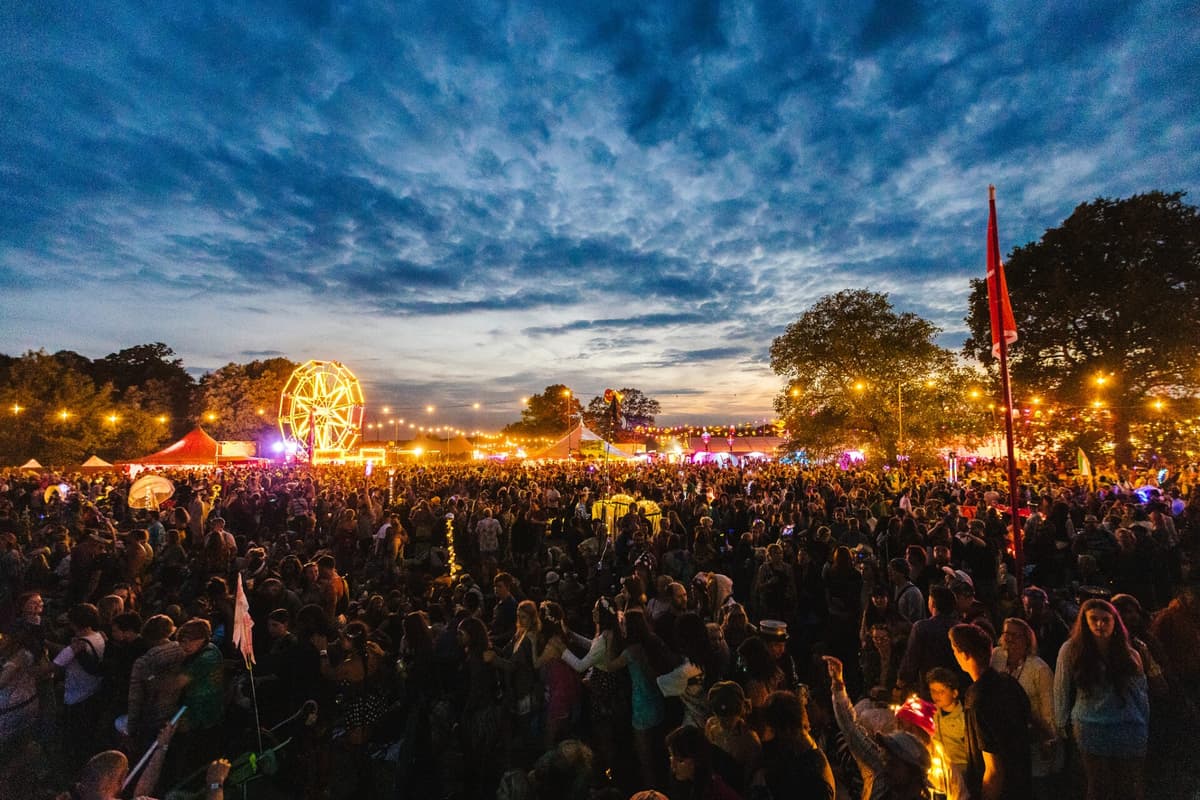
Shambala Becomes UK’s First Employee-Owned Festival
Why It Matters
Employee ownership offers a viable alternative to corporate takeovers, reinforcing independence and aligning staff incentives with sustainability goals in the festival market.
Key Takeaways
- •Shambala now owned by an Employee Ownership Trust
- •Co‑founders transferred ownership to staff after 26 years
- •First UK festival to adopt employee‑ownership model
- •Aims to protect independence, sustainability, and ethical ethos
Pulse Analysis
The rise of employee ownership trusts across the UK reflects a broader shift toward inclusive governance in traditionally hierarchical industries. By placing equity in the hands of its workforce, Shambala joins a growing list of retailers, cooperatives, and community venues that have embraced this model to boost morale, retain talent, and distribute profits more equitably. For a festival that has long championed sustainability, the EOT structure aligns financial incentives with its environmental mission, ensuring that decisions are made with long‑term stewardship rather than short‑term profit in mind.
In the live‑music arena, consolidation by multinational promoters has accelerated over the past decade, threatening the distinct identities of independent festivals. Shambala’s transition signals a strategic counter‑move, offering a blueprint for preserving artistic autonomy while still accessing the capital and expertise needed to scale. By remaining employee‑owned, the festival can negotiate with suppliers, artists, and sponsors from a position of collective strength, potentially securing better terms that reflect its ethical standards. Moreover, staff members now share directly in any financial upside, fostering a culture of ownership that can translate into higher-quality programming and more innovative sustainability initiatives.
Looking ahead, Shambala’s pioneering step could catalyze a wave of similar restructurings across Europe’s festival circuit. While the EOT model mitigates the risk of hostile takeovers, it also introduces governance challenges, such as ensuring transparent decision‑making and balancing creative freedom with fiscal responsibility. If managed well, the model may attract investors seeking impact‑driven opportunities and inspire policymakers to support employee‑owned enterprises through tax incentives. Ultimately, Shambala’s example underscores how alternative ownership structures can reshape the cultural economy, marrying profit with purpose in a way that resonates with both audiences and artists.
Shambala Becomes UK’s First Employee-Owned Festival
Comments
Want to join the conversation?
Loading comments...