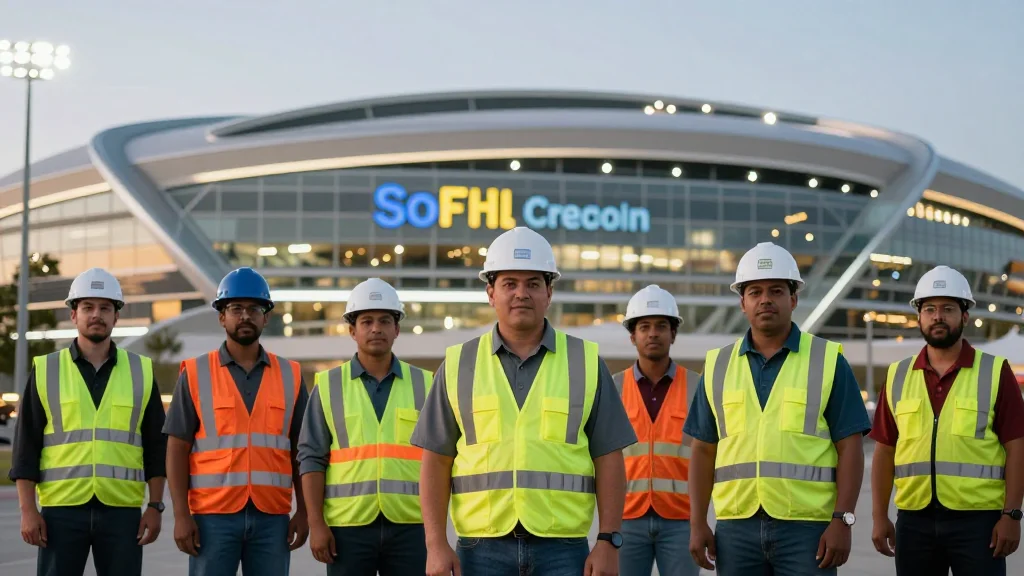
SoFi Stadium Workers Vote 96% to Authorize Strike Ahead of World Cup

Why It Matters
The SoFi Stadium strike vote spotlights how labor negotiations intersect with global sporting events, turning a local workforce issue into a matter of international visibility. With the World Cup projected to generate over $10 billion in economic activity across North America, any disruption threatens not only ticket sales but also ancillary revenue streams such as concessions, merchandise and hospitality contracts. Beyond the immediate financial stakes, the dispute raises questions about immigration enforcement in the workplace. Workers’ demand that ICE be barred from the stadium reflects broader concerns among low‑wage service employees about federal raids and family separation. A successful strike could set a precedent for future event‑host cities to negotiate explicit protections for immigrant labor, reshaping the regulatory environment for large‑scale venues.
Key Takeaways
- •96% of more than 2,000 SoFi Stadium workers voted to authorize a strike.
- •Union demands include wage adjustments, automation safeguards, and a ban on ICE presence at the World Cup.
- •SoFi Stadium will host eight World Cup matches and seats up to 70,000 spectators per game.
- •Negotiations resume on Monday; Legends Global has not disclosed a counter‑offer.
- •Parallel strike authorizations in Seattle highlight a regional labor push ahead of the tournament.
Pulse Analysis
The timing of the SoFi Stadium strike authorization is strategic: the union is leveraging the World Cup’s global spotlight to amplify its bargaining power. Historically, labor actions tied to marquee events—such as the 1994 FIFA World Cup in the United States—have forced employers to concede on wages and benefits to avoid public relations fallout. In this case, the union’s focus on ICE adds a political dimension that could pressure both the stadium operator and federal authorities, especially given the heightened scrutiny of immigration policies under the current administration.
From a market perspective, the potential disruption threatens the revenue calculus for sponsors, broadcasters and local businesses that have bet heavily on the tournament’s success. A work stoppage could force FIFA to allocate emergency staffing resources, inflating operational costs and possibly prompting a reevaluation of future venue contracts. Moreover, the dispute may catalyze a broader shift in how mega‑event organizers address labor standards, prompting stricter contractual clauses that guarantee fair wages and immigration protections.
Looking ahead, the outcome of the SoFi negotiations will likely influence labor strategies at other upcoming events, from the 2028 Los Angeles Olympics to major concerts and conventions. If the union secures a favorable deal, it could embolden similar workforce movements nationwide, especially in sectors where low‑wage, immigrant‑heavy labor is the norm. Conversely, a failed strike could dampen labor confidence and reinforce the status quo, leaving systemic issues unresolved as the sports industry continues to expand.
SoFi Stadium Workers Vote 96% to Authorize Strike Ahead of World Cup
Comments
Want to join the conversation?
Loading comments...