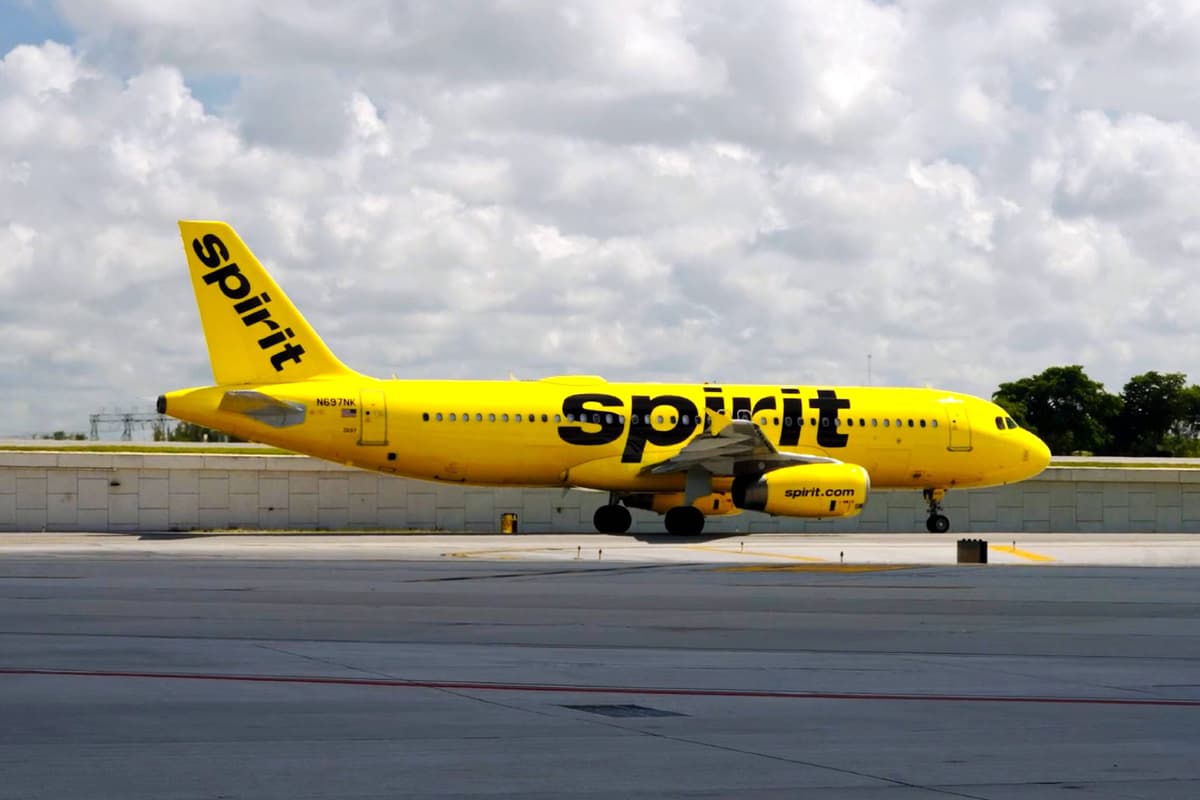
Spirit Airlines Collapse Blamed on ‘Poor Management,’ According to Reports
Why It Matters
The failure underscores how poor leadership and culture can outweigh financial fixes, sending shockwaves through the U.S. airline sector. It also creates a sudden labor market shift, giving competitors a chance to acquire experienced staff while highlighting the strategic role of HR in crisis navigation.
Key Takeaways
- •Spirit filed Chapter 11 twice within a year, ending operations.
- •CEO’s dismissive customer response highlighted toxic culture driving turnover.
- •American Airlines launched a dedicated hiring portal for displaced Spirit staff.
- •HR leadership was sidelined during merger talks and bankruptcy decisions.
Pulse Analysis
Spirit’s demise marks one of the most dramatic airline failures in recent U.S. history, illustrating how a low‑cost carrier can outgrow its competitive edge when price advantage erodes. While rising fuel costs tied to geopolitical tensions and a collapsed $500 million bailout added pressure, the airline’s chronic operational glitches and a culture that dismissed customer concerns accelerated its downfall. The company’s persistent position at the bottom of the American Customer Satisfaction Index signaled deeper systemic issues, proving that brand reputation and employee morale are as vital as balance‑sheet health in the aviation sector.
For human‑resource leaders, Spirit’s collapse is a cautionary tale about the strategic cost of sidelining HR during mergers, restructurings, and bankruptcy filings. The airline’s leadership bypassed HR input when rejecting a Frontier merger and pursuing a blocked JetBlue deal, leaving thousands of pilots, flight attendants and corporate staff without a clear transition plan. Competitors such as American Airlines swiftly deployed a dedicated careers portal to capture this displaced talent, turning a crisis into a recruitment advantage. The episode reinforces the need for HR to be embedded in high‑stakes decision‑making to mitigate talent loss and reputational damage.
Going forward, airlines must prioritize cultural health alongside cost efficiencies. Transparent communication, employee engagement and accountable leadership can prevent the kind of morale collapse that plagued Spirit. Companies should also develop contingency workforce strategies, including cross‑industry talent pipelines, to absorb shocks from sudden layoffs. Investors and regulators will likely scrutinize governance practices more closely after Spirit’s failure, rewarding carriers that demonstrate robust HR governance and customer‑centric policies. Ultimately, the Spirit case shows that even generous liquidity injections cannot rescue an organization whose internal culture and leadership are fundamentally broken.
Spirit Airlines collapse blamed on ‘poor management,’ according to reports
Comments
Want to join the conversation?
Loading comments...