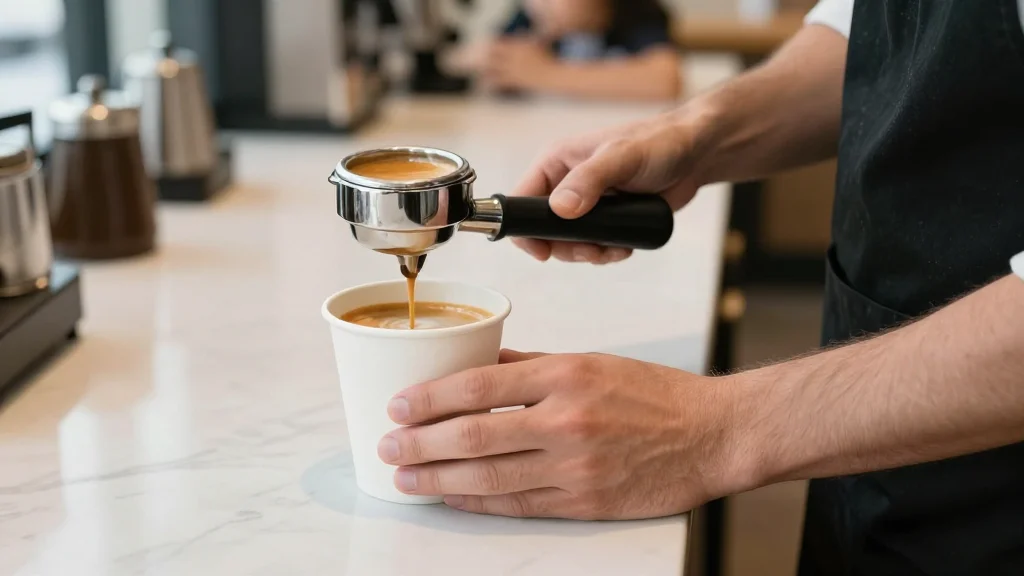
Starbucks Baristas Don't Just Make Coffee. They Run 3 Restaurants at Once
Why It Matters
The operational bottleneck directly affects customer wait times and intensifies the ongoing Starbucks‑union standoff, while the company’s tech‑driven fixes set a precedent for how large chains balance digital demand with labor costs.
Key Takeaways
- •Mobile orders now exceed 30% of Starbucks sales, straining baristas
- •New sequencing algorithm cuts in‑store wait to four minutes, mobile to 12
- •Starbucks added 500,000 shifts in Q2 2025, boosting labor hours
- •Competitors like Chipotle separate digital lines, reducing queue interference
Pulse Analysis
The proliferation of digital ordering has turned a single coffee shop into a multi‑channel hub, where in‑person, drive‑thru, app and third‑party requests converge on one preparation line. This convergence creates a hidden queue that inflates wait times for walk‑in customers and forces baristas to manage three parallel “restaurants” simultaneously. The pressure is magnified by a union push for better staffing and wages, highlighting a broader labor‑productivity tension in the quick‑service sector.
Starbucks’ answer has been two‑fold: technology and labor. After years of investing in the Siren System to speed drink assembly, the chain rolled out an order‑sequencing algorithm that guarantees a four‑minute target for in‑store and drive‑thru guests and a 12‑minute ceiling for mobile and delivery orders. Early results show more than 80% of company‑owned cafés hitting the in‑store goal, while the firm added roughly 500,000 extra shifts in Q2 2025 and trimmed its menu by about 30% to streamline operations. These moves have improved throughput but do not fully resolve the staffing shortfall that baristas cite.
Industry peers illustrate alternative paths. Chipotle separates digital and catering orders onto a dedicated back‑of‑house line, assigning specialized staff to keep the front‑of‑house flow uninterrupted. Dutch Bros, by contrast, limited mobile ordering to under 12% of transactions before expanding, allowing its human‑centric model to adapt gradually. Both strategies underscore that managing parallel order streams is as much a labor design issue as a technological one. As the sector leans further into app‑driven sales, the balance between algorithmic efficiency and adequate staffing will shape customer experience and union negotiations for years to come.
Starbucks baristas don't just make coffee. They run 3 restaurants at once
Comments
Want to join the conversation?
Loading comments...