The Problem Isn’t HR. It’s How Managers Are Measured
Why It Matters
When manager metrics prioritize output over sustainability, employee burnout rises and talent retention suffers, threatening long‑term productivity for firms operating in global teams.
Key Takeaways
- •Managers rewarded for speed, not sustainable delivery
- •HR policies ignored when managers model over‑availability
- •Indian execution teams bear disproportionate time‑zone burden
- •Evaluating manager sustainability can curb boundaryless work
- •Gen Z seeks output focus, challenging old availability norms
Pulse Analysis
The rise of ubiquitous connectivity has made it easy for employees to be "always on," but the real driver of boundaryless work in India is managerial incentive design. Companies often have formal HR policies limiting hours and promoting wellbeing, yet senior leaders and line managers routinely send late‑night messages, equating responsiveness with commitment. This disconnect is amplified in multinational settings where Indian delivery teams support U.S. and European revenue‑generating units, forcing them to adapt to inconvenient time zones while their counterparts enjoy more flexible rhythms.
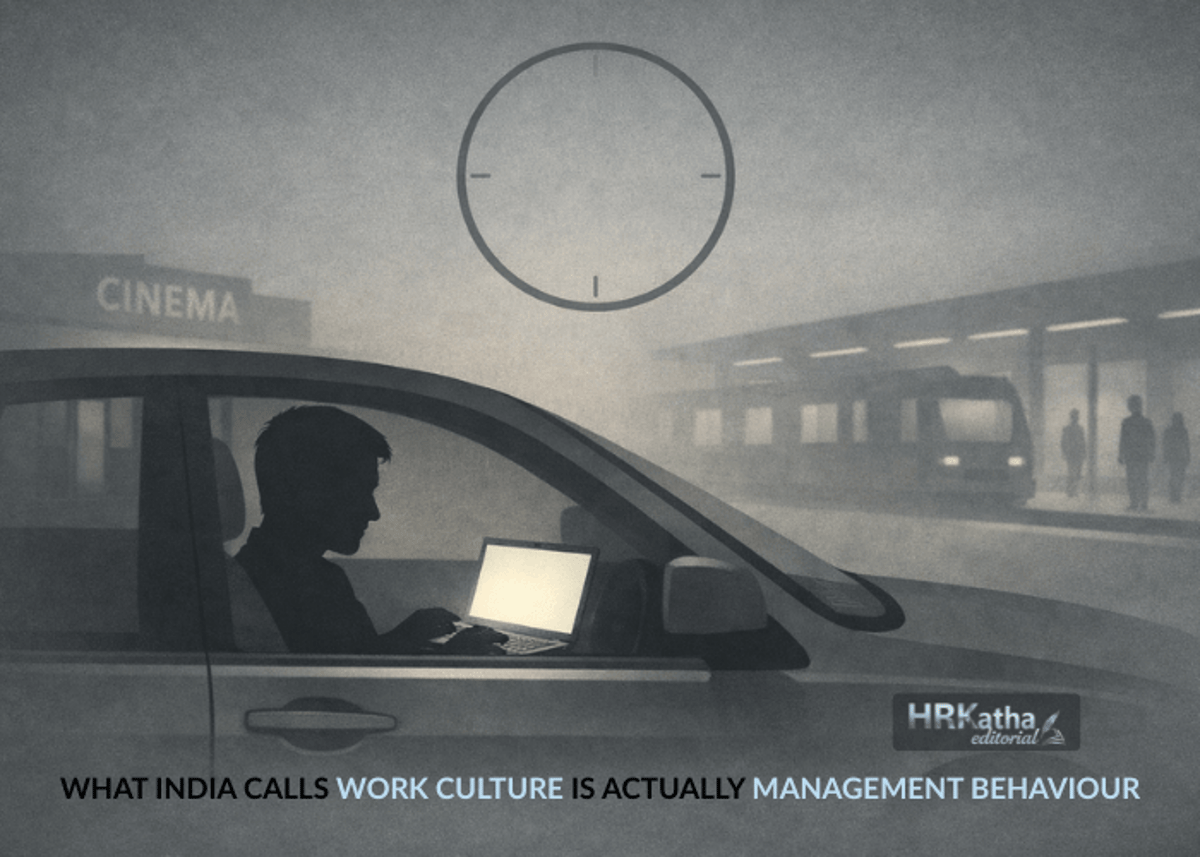
Performance dashboards reinforce the problem. Most organizations assess managers on on‑time delivery, project milestones and raw output, with little weight given to team attrition, burnout rates or work‑life balance. Consequently, managers adopt a risk‑averse stance: they keep teams perpetually reachable to avoid missed deadlines, and they reward employees who demonstrate visible availability, regardless of actual productivity. The result is a culture where working from a parked car or a cinema hall becomes a badge of dedication, eroding morale and increasing turnover—a costly outcome for firms competing for talent in a tight labor market.
Breaking this cycle requires a fundamental shift in what is measured and rewarded. Companies should embed sustainability metrics—such as employee engagement scores, overtime hours, and attrition trends—into manager compensation and promotion criteria. Leadership must model healthy boundaries, explicitly distinguishing urgent requests from convenience tasks, and empower teams to set realistic availability norms. As Gen Z increasingly enters the workforce, their expectation of output‑over‑presence can accelerate this transition, delivering a more resilient, high‑performing organization that values results without sacrificing employee wellbeing.
The problem isn’t HR. It’s how managers are measured
Comments
Want to join the conversation?
Loading comments...