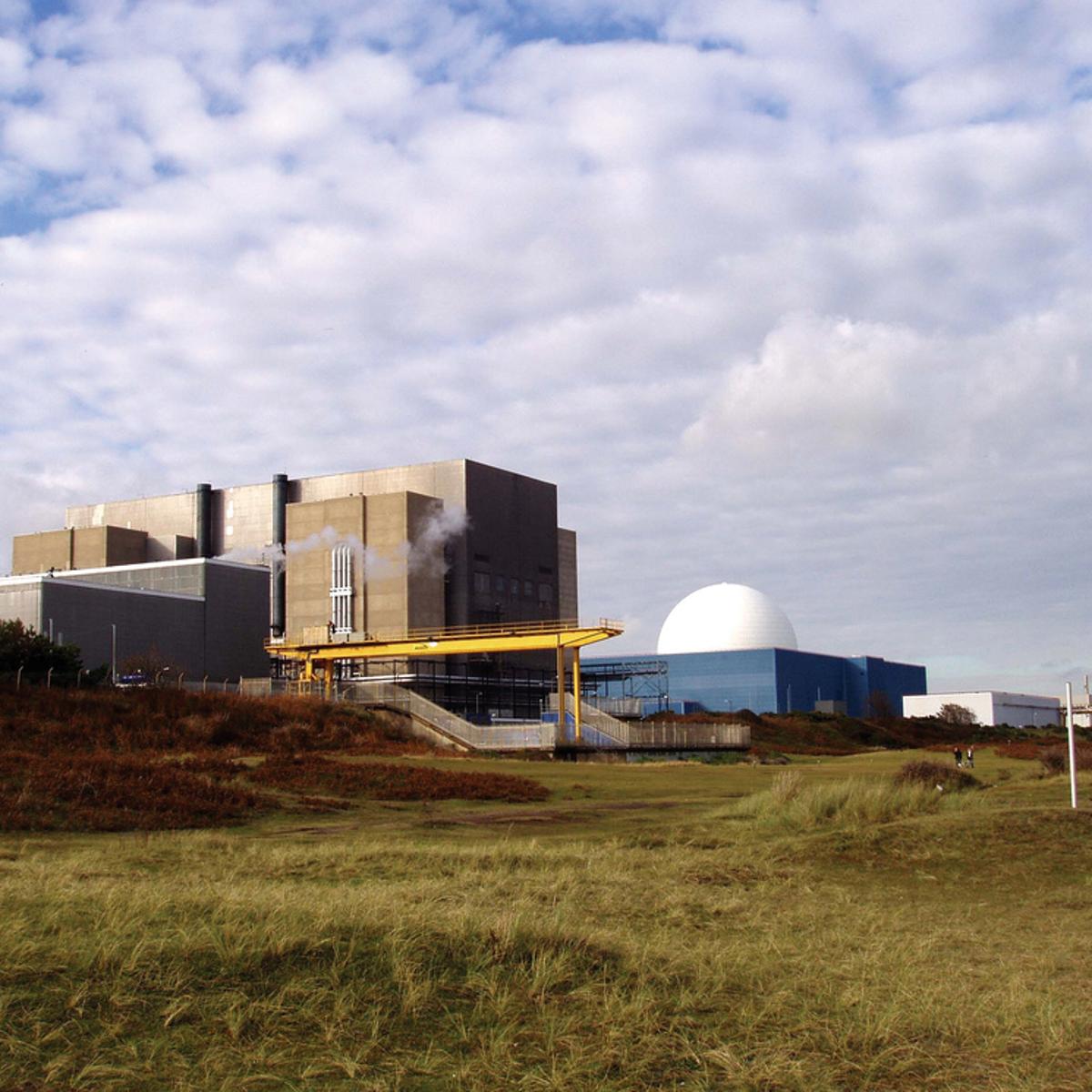
Thousands of Engineers Receiving Pay Rise After Industrial Action Threat

Why It Matters
The raise secures labor stability at critical infrastructure sites and signals stronger bargaining power for unions in the construction sector.
Key Takeaways
- •4.5% pay rise equals roughly £2,000 ($2,560) per worker.
- •Agreement reached after Unite threatened industrial action across UK sites.
- •Vote passed narrowly; 3,000 NAECI members approved the deal.
- •Union pledges to negotiate 2027 wages and expand construction influence.
Pulse Analysis
The engineering construction workforce under the National Agreement for the Engineering Construction Industry (NAECI) keeps the United Kingdom’s power stations, oil refineries, and pharmaceutical plants running. Because these sites are classified as essential services, any disruption can ripple through energy supply chains and public health. Trade union Unite, representing roughly 3,000 NAECI members, leveraged that strategic importance by threatening coordinated industrial action at high‑profile locations such as EDF Torness and Drax. The move forced employers to return to the negotiating table, highlighting how unions can still shape outcomes in a sector traditionally dominated by large multinational contractors.
The final settlement delivers a 4.5% wage increase, translating to an average boost of about £2,000—or $2,560—per employee. While the raise outpaces the UK’s 2026 consumer price index forecast of roughly 3.2%, it remains modest compared with historic engineering strikes that secured double‑digit hikes. The agreement also bundles ancillary benefits, though the details were not disclosed, suggesting a compromise that balances immediate pay with longer‑term job security. For employers, the cost increase is manageable, but it sets a new baseline for future contracts, especially as the sector faces a looming skills shortage.
Looking ahead, Unite has signaled its intent to open talks for a 2027 pay package, aiming to lock in further gains before inflationary pressures intensify. The narrow vote—just enough to pass—indicates a union base that remains vigilant and ready to mobilize if offers fall short. If the 2027 negotiations follow a similar trajectory, other construction and infrastructure unions may adopt comparable tactics, potentially reshaping wage standards across the UK’s broader built environment. Investors and policymakers will be watching closely, as labor stability at critical infrastructure directly influences energy security and economic resilience.
Thousands of engineers receiving pay rise after industrial action threat
Comments
Want to join the conversation?
Loading comments...