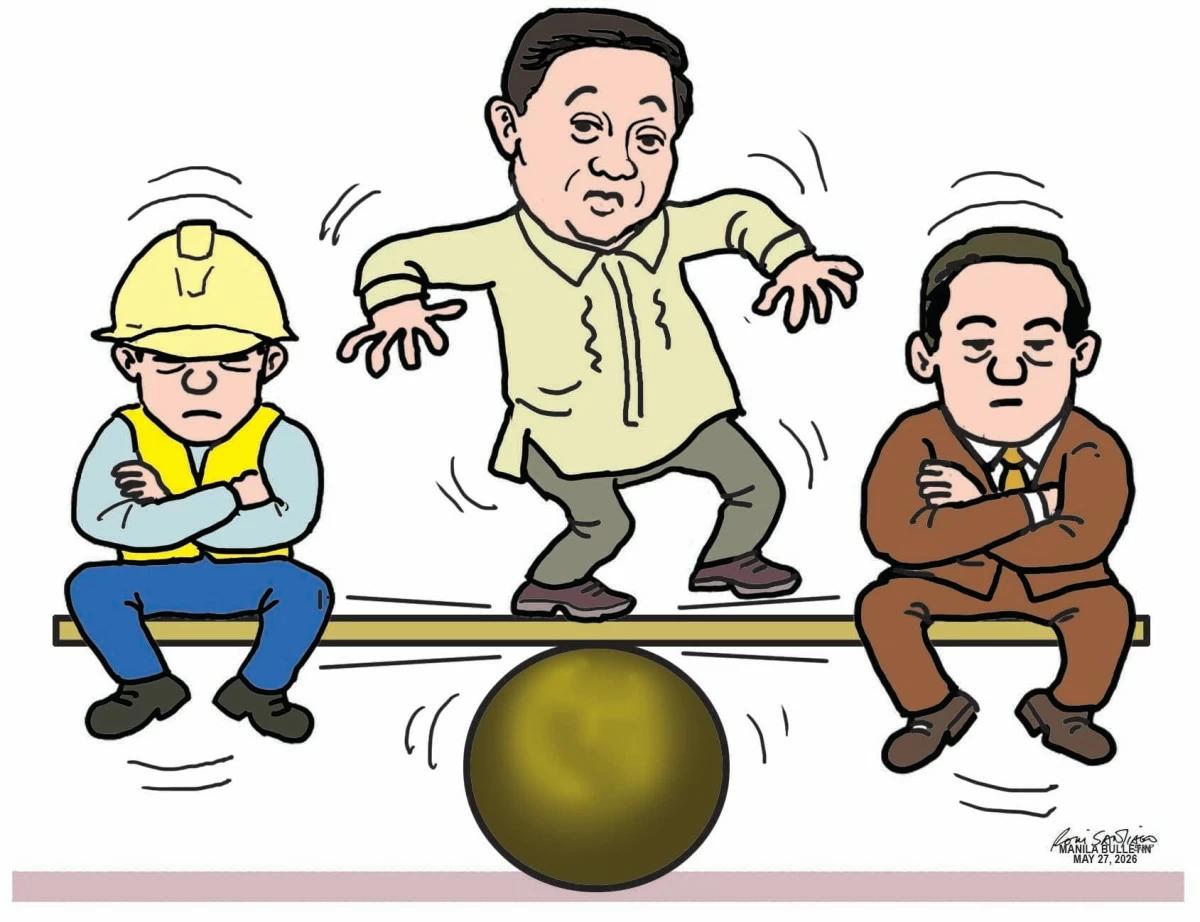
Tolentino’s Test: Balancing Workers’ Interest and Economic Survival
Why It Matters
Tolentino’s policy direction will shape the Philippines’ ability to sustain economic growth while improving living standards for its workforce, influencing both domestic investment and social stability.
Key Takeaways
- •Tolentino emphasizes regional tripartite wage boards over blanket hikes
- •Balancing wage growth with MSME margins to avoid layoffs
- •Promoting skills training to boost productivity amid tech disruption
- •Advocating "flexi-security" for adaptable firms and protected workers
- •Strengthening tripartite dialogue to preempt industrial disputes
Pulse Analysis
The Philippines is grappling with a perfect storm: inflation has eroded real wages, while a growing contingent of contract workers demand higher pay. As the new labor secretary, Francis Tolentino inherits a polarized environment where employers warn that blanket wage mandates could cripple micro, small and medium enterprises (MSMEs). At the same time, labor unions argue that stagnant salaries threaten household stability and fuel unrest. Navigating this tension requires more than political goodwill; it demands a data-driven framework that aligns compensation with regional cost-of-living realities.
To that end, Tolentino has championed the expansion of Regional Tripartite Wages and Productivity Boards, allowing local governments, business groups, and labor representatives to set wages based on specific economic conditions. Coupled with a "flexi-security" model, firms can adjust staffing levels without abandoning worker protections, while enhanced unemployment assistance and retraining programs cushion displaced employees. A parallel push for skills development—partnering technical schools with industry—aims to raise productivity, ensuring that wage growth is underpinned by higher output rather than pure subsidy.
If implemented effectively, these measures could restore confidence among investors wary of labor volatility and signal that the Philippines is committed to inclusive growth. Stronger tripartite dialogue may reduce strike frequency, preserving continuity for export-oriented sectors that drive the country’s GDP. Conversely, failure to balance flexibility with security could exacerbate inequality and trigger capital flight. Tolentino’s tenure will therefore serve as a litmus test for whether the nation can modernize its labor architecture while safeguarding both workers’ dignity and the economy’s competitiveness.
Tolentino’s test: Balancing workers’ interest and economic survival
Comments
Want to join the conversation?
Loading comments...