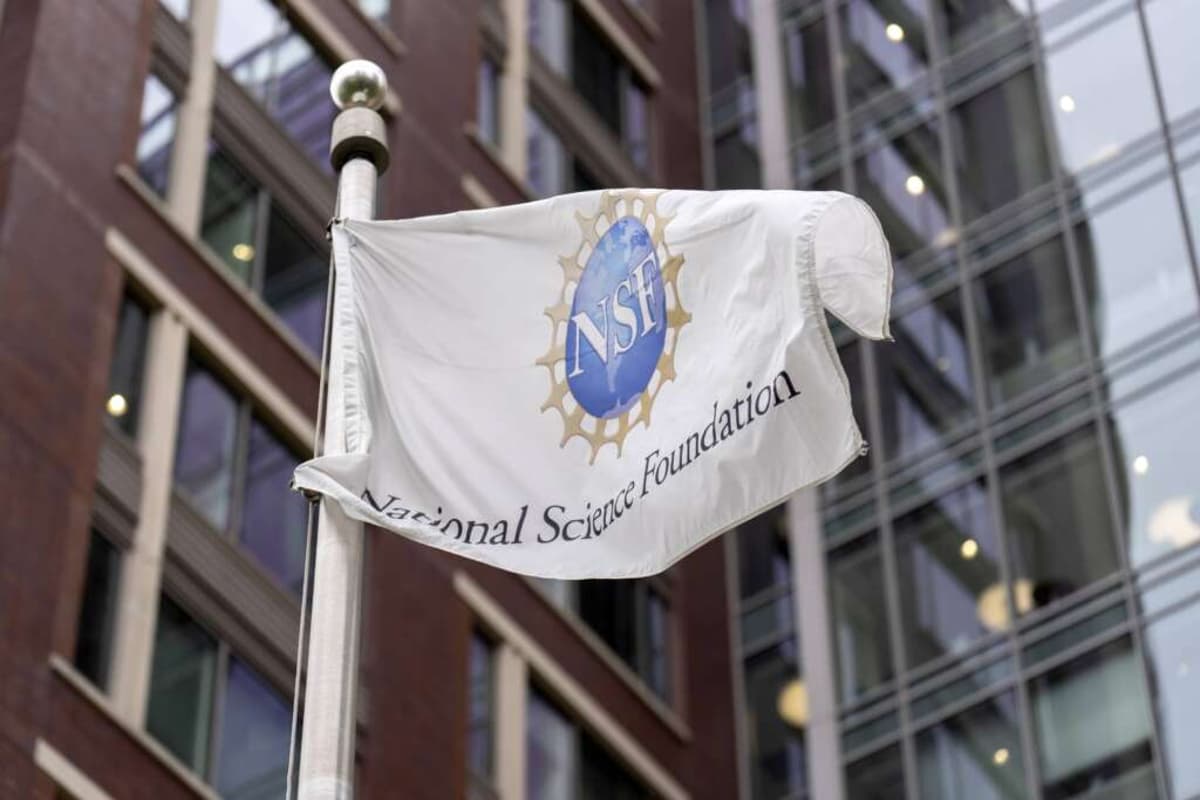
Union Warns NSF’s Return-to-Office Push Dismisses Disability Accommodations
Why It Matters
If NSF revokes established accommodations, it could breach disability law and drive skilled staff away, undermining the agency’s ability to manage billions in research funding.
Key Takeaways
- •NSF demands onsite work despite existing disability accommodations
- •Union warns accommodations will be reset, risking staff attrition
- •Federal agencies face legal scrutiny over telework restrictions
- •OPM cautions against blanket revocation of telework exemptions
- •Talent loss could jeopardize NSF’s billions‑dollar research portfolio
Pulse Analysis
The National Science Foundation’s relocation to a leased space in Alexandria has sparked a clash between agency leadership and the American Federation of Government Employees. Union representatives say NSF is treating reasonable accommodations as a procedural hurdle, demanding employees test the new workplace before any disability‑related telework or flexible arrangements are approved. While the agency points to its obligations under the Rehabilitation Act, critics argue that the policy amounts to a de‑facto rescission of previously granted accommodations, exposing NSF to potential legal challenges and employee morale issues.
This controversy is part of a broader federal trend where agencies, under pressure from the Trump administration’s return‑to‑office agenda, have tightened telework eligibility for workers with medical needs. The Department of Health and Human Services recently rescinded thousands of accommodations, forcing a costly re‑application process, and the Office of Personnel Management has warned against blanket revocations. Such moves risk violating the Rehabilitation Act’s requirement for individualized determinations and could set a precedent that erodes disability protections across the government workforce.
For NSF, the stakes are high. The agency oversees a multi‑billion‑dollar portfolio of basic research grants, relying on highly specialized staff to evaluate complex proposals. Losing talent due to inflexible accommodation policies could delay funding cycles, diminish the quality of peer review, and ultimately weaken America’s scientific competitiveness. Policymakers and agency leaders should prioritize clear, case‑by‑case accommodation assessments and maintain telework options where feasible, balancing office‑presence goals with legal compliance and the need to retain top scientific talent.
Union warns NSF’s return-to-office push dismisses disability accommodations
Comments
Want to join the conversation?
Loading comments...