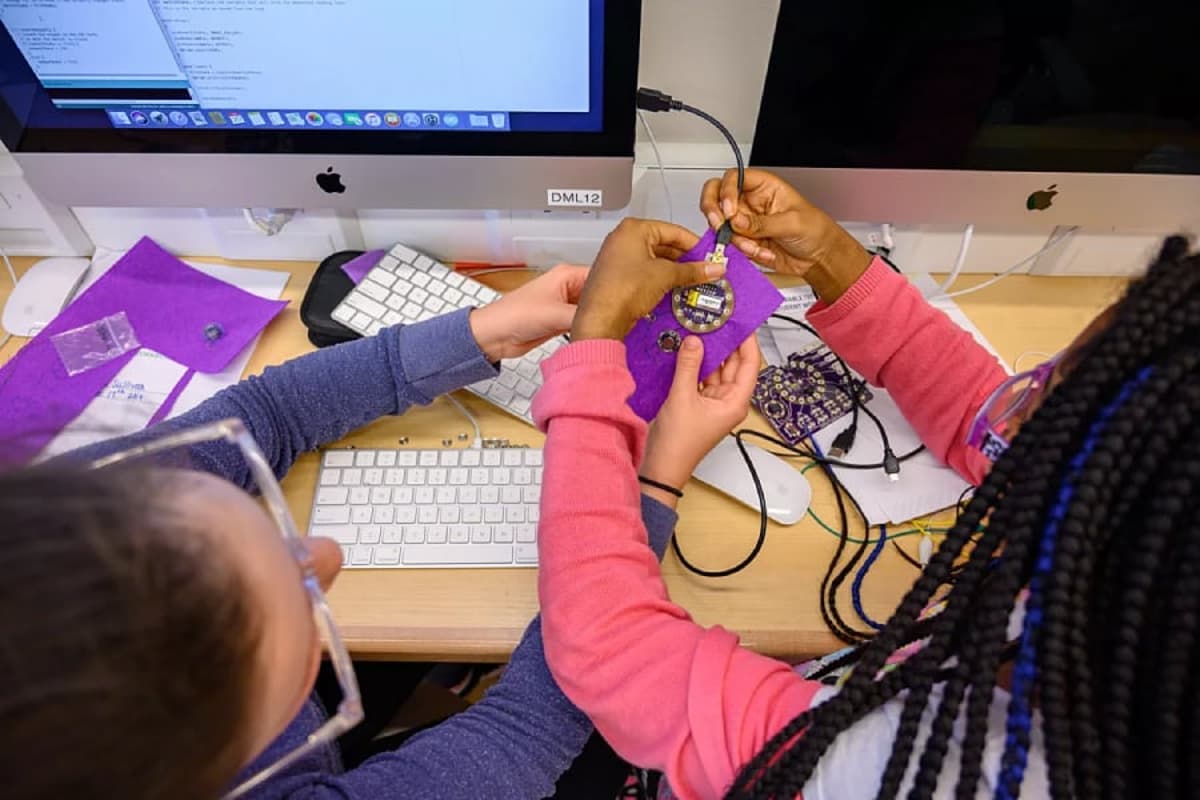
Vonage, Girls Who Code Show What ‘Responsible AI’ Looks Like
Why It Matters
The partnership tackles the critical AI skills gap while diversifying the pool of future developers, which is essential for building trustworthy, unbiased AI systems. For vendors, such programs also create a pipeline of developers familiar with their platforms, strengthening long‑term ecosystem adoption.
Key Takeaways
- •Vonage partners with Girls Who Code for AI-focused summer program
- •Program teaches high schoolers web dev, cybersecurity, AI, data science, game design
- •Initiative aims to close AI talent gap and increase diversity in tech
- •Early exposure to Vonage APIs builds future developer pipeline for the company
- •Vendors urged to embed inclusive, skill‑aligned curricula rather than token sponsorships
Pulse Analysis
The rapid integration of artificial intelligence into everyday software has turned AI literacy into a baseline requirement for developers, security engineers, and business technologists. Yet the industry faces a stark shortage of professionals who not only understand machine‑learning fundamentals but also appreciate the ethical and security implications of deploying AI at scale. Vonage’s collaboration with Girls Who Code directly addresses this gap by offering a summer curriculum that blends web development, cybersecurity, data science and AI, while deliberately targeting high‑school girls—a demographic historically underrepresented in computing. By coupling technical training with mentorship from industry leaders, the program creates a pipeline of diverse talent equipped to shape the next generation of AI‑driven products.
For technology vendors, the strategic payoff extends beyond corporate social responsibility. Students who build projects on Vonage’s communications APIs gain practical experience that translates into brand familiarity and future advocacy when they enter the workforce. Embedding real‑world API sandboxes and use‑case scenarios into the curriculum ensures the training is not merely theoretical, fostering deeper product understanding and reducing adoption friction later on. Moreover, aligning with a reputable nonprofit signals a commitment to responsible AI practices, a factor increasingly scrutinized by enterprise buyers who demand inclusive, bias‑mitigated solutions.
The Vonage‑Girls Who Code model sets a benchmark for how vendors can operationalize responsible AI leadership. Rather than one‑off sponsorships, longitudinal programs that connect classroom learning to internships, mentorship and feedback loops create a sustainable talent ecosystem. Other firms should emulate this approach by partnering with established organizations, focusing on high‑impact skill sets such as cloud‑native AI development and cybersecurity, and treating diversity as a design constraint. As AI continues to reshape the labor market, companies that invest in inclusive skill development will secure both a competitive edge and a more trustworthy AI future.
Vonage, Girls Who Code Show What ‘Responsible AI’ Looks Like
Comments
Want to join the conversation?
Loading comments...