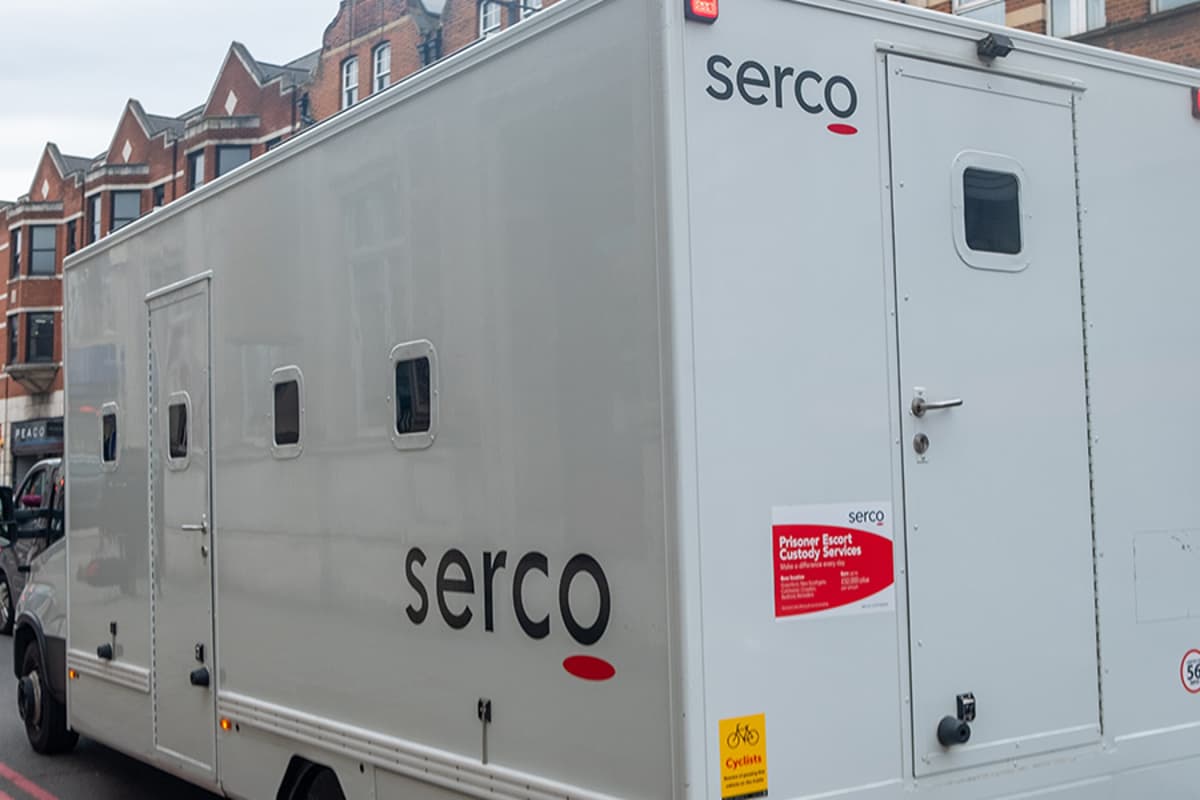
'We All Benefit' | Serco, Virgin, McDonald's: Why CPOs Are 'Opening Doors' With Social Mobility Schemes
Companies Mentioned
Why It Matters
By unlocking talent from under‑served groups, Serco strengthens workforce diversity while meeting ESG expectations, offering a replicable model for other CPOs seeking both social impact and recruitment advantage.
Key Takeaways
- •Serco's "Believe in People" targets prison leavers, veterans, care leavers.
- •More than 1 million skills development hours slated for 2026.
- •Program offers tailored support, targeted partnerships, and hiring reforms.
- •CPOs see social mobility schemes as ESG and talent solutions.
Pulse Analysis
The push for social mobility has moved from charitable add‑on to a strategic imperative for large employers. Chief People and Culture Officers are increasingly tasked with aligning talent acquisition to broader ESG goals, recognizing that inclusive hiring not only mitigates reputational risk but also expands the talent pipeline. In the UK, government incentives and public scrutiny have accelerated this shift, prompting firms to embed measurable social impact into their core HR strategies.
Serco’s "Believe in People" initiative exemplifies this new paradigm. Targeting prison leavers, military veterans and care leavers, the program commits to over one million hours of skills development by 2026. It blends customized training modules with partnerships across NGOs and industry bodies, while reforming hiring practices to remove bias. Shaun Stacey, Serco’s Chief People and Culture Officer, frames the effort as creating "fair, supported and sustainable routes into work," signaling a long‑term investment in human capital rather than a one‑off outreach.
For the broader market, Serco’s approach offers a template for CPOs aiming to marry ESG performance with recruitment efficiency. Quantifiable outcomes—such as hours of training delivered and placement rates—provide clear ROI metrics that satisfy both boardroom expectations and stakeholder demands. As investors prioritize social impact, firms that institutionalize mobility pathways are likely to enjoy stronger brand equity, lower turnover, and access to a diverse talent pool that can drive innovation. The ripple effect may see more corporations adopt similar schemes, turning social mobility from a niche initiative into a mainstream talent strategy.
'We all benefit' | Serco, Virgin, McDonald's: Why CPOs are 'opening doors' with social mobility schemes
Comments
Want to join the conversation?
Loading comments...