What Human-Centered Leadership Really Looks Like Right Now – Webinar Recap
Why It Matters
In an era where AI accelerates work pace, leaders who focus on people, stay adaptable, and safeguard core relationships can maintain engagement and drive performance, making these insights vital for HR and executive strategies.
Key Takeaways
- •Human-centered leadership prioritizes person-to-person connection over project management
- •Adaptability outranks technical certifications in fast‑moving tech environments
- •Managers must keep the employee‑manager bond free from automation
- •LinkedIn’s talent development insights shape industry best practices
- •SPARK HR 2026 will expand on AI‑driven leadership expectations
Pulse Analysis
Human‑centered leadership is emerging as a strategic antidote to the hyper‑technical focus that dominates many tech firms. By framing leadership as a person‑to‑person connection rather than a project‑management function, organizations can foster trust, improve retention, and unlock higher performance. LinkedIn’s talent development team, with its deep data on employee experiences, underscores that this relational approach is not a soft skill fad but a measurable driver of business outcomes, especially as companies grapple with rapid digital transformation.
Adaptability has moved from a desirable trait to a non‑negotiable competency. In an AI‑infused workplace, the speed at which tools evolve outpaces traditional skill‑building cycles, rendering static certifications obsolete. Leaders who can pivot, experiment, and learn on the fly enable their teams to harness new technologies without disruption. This mindset shift also encourages a culture of continuous improvement, where failure is treated as a data point rather than a setback, aligning workforce agility with market demands.
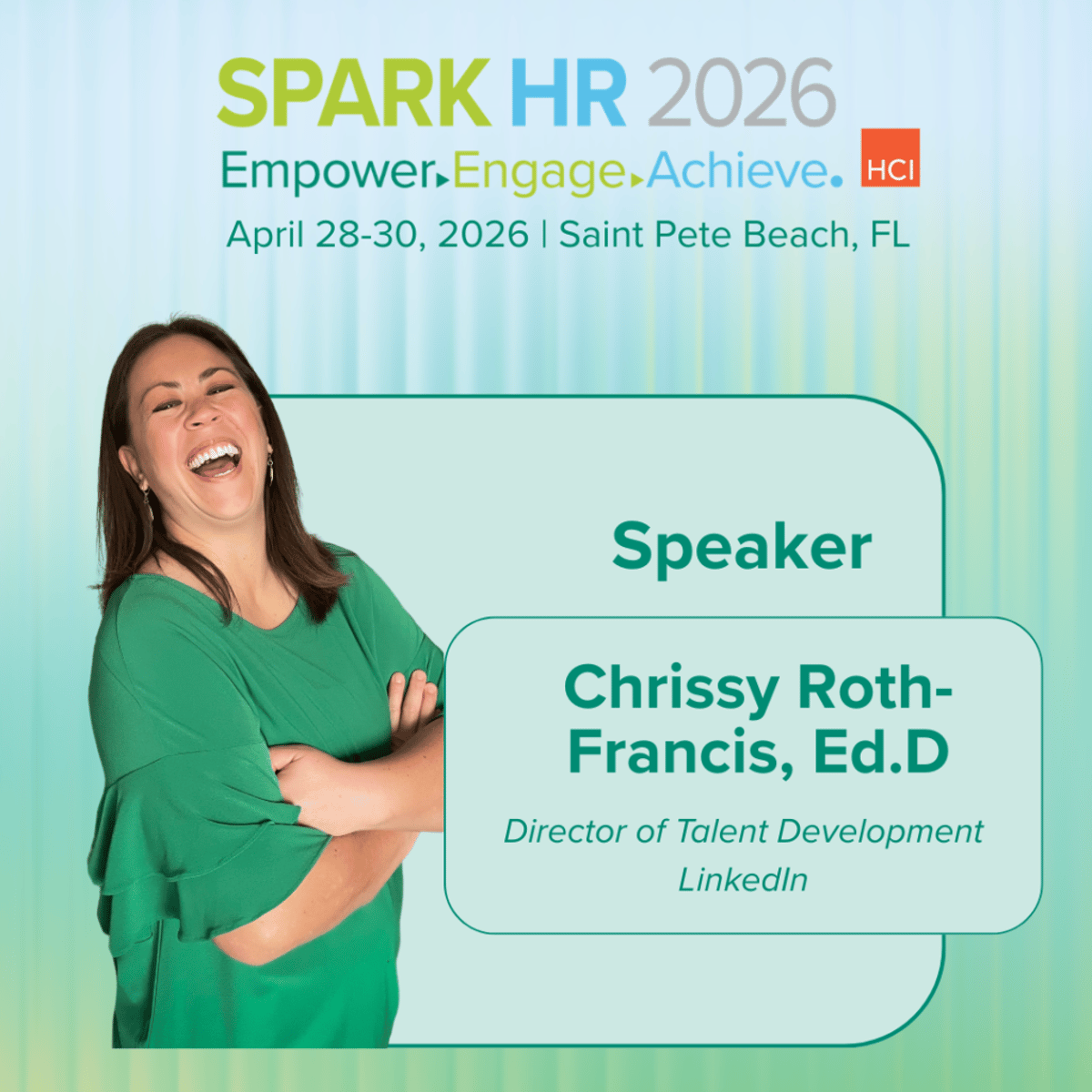
While automation streamlines processes, preserving the sanctity of the manager‑direct‑report relationship remains essential. Over‑reliance on AI for performance monitoring or feedback can erode the human element that fuels motivation and psychological safety. Roth‑Francis advocates for a clear boundary: technology should augment, not replace, the nuanced conversations that build trust. Her upcoming SPARK HR 2026 session will dive deeper into these dynamics, offering leaders concrete frameworks to balance AI adoption with empathetic management, a balance that will define competitive advantage in the next decade.
What Human-Centered Leadership Really Looks Like Right Now – Webinar Recap
Comments
Want to join the conversation?
Loading comments...