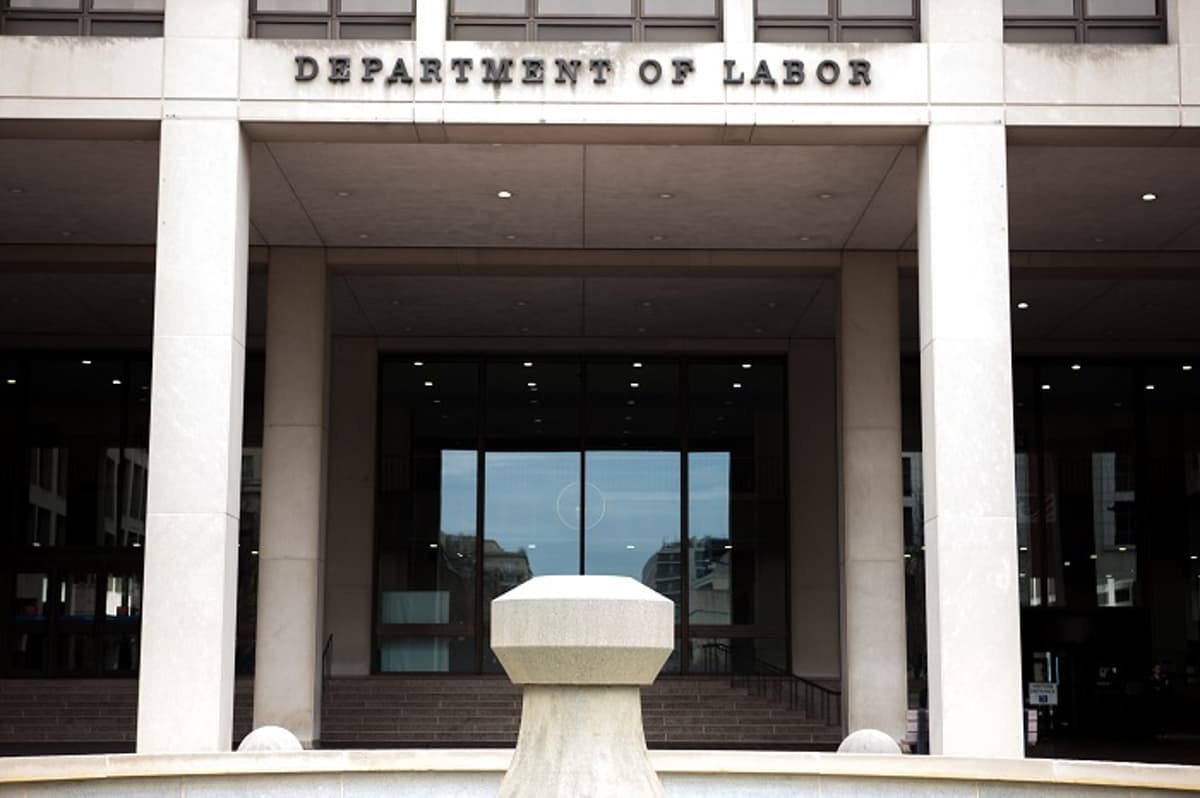
What the DOL Overtime Rule Reversal Means for HR
Why It Matters
Employers risk litigation and state‑law violations if they mishandle reclassification, making accurate exemption analysis critical for cost control and compliance.
Key Takeaways
- •Federal overtime threshold restored to $684 per week
- •Employers must re‑audit duties test, not just salary
- •Inconsistent reclassification can trigger employee‑relations lawsuits
- •State laws like CA, NY keep higher thresholds
- •Continuous monitoring needed for future DOL rule changes
Pulse Analysis
The Department of Labor’s decision to rescind the 2024 overtime rule eliminates the anticipated rise in the salary threshold that would have expanded overtime eligibility for millions of workers. While the move resolves the immediate legal uncertainty created by recent court rulings, it does not simplify compliance. Companies that adjusted pay scales or re‑classified employees to meet the now‑defunct rule must now decide whether to revert those changes, a process fraught with potential litigation if applied unevenly. HR professionals are urged to treat each exemption decision as a fresh analysis, confirming both the salary basis and the duties test before making any classification shifts.
Beyond the federal reset, state regulations continue to impose stricter standards in jurisdictions such as California, New York, and Washington. Multi‑state employers must map their exempt workforce against the most protective state thresholds, because compliance with the federal $684 benchmark may still fall short of local requirements. A thorough audit of job descriptions, remote‑work arrangements, and time‑keeping practices can reveal mismatches between documented duties and actual work, helping to avoid costly misclassification claims. Uniform documentation and a defensible rationale for any classification changes are essential to mitigate employee‑relations risks.
Looking ahead, the DOL’s rollback does not guarantee permanence. Historical patterns show that wage‑hour rules are revisited with each administration, and the Wage and Hour Division remains active in enforcement. HR leaders should embed ongoing monitoring of federal proposals, enforcement trends, and evolving state laws into their compliance programs. By staying proactive, organizations can adapt quickly to any future adjustments, protect against exposure, and maintain a consistent, legally sound approach to overtime eligibility across their entire workforce.
What the DOL overtime rule reversal means for HR
Comments
Want to join the conversation?
Loading comments...