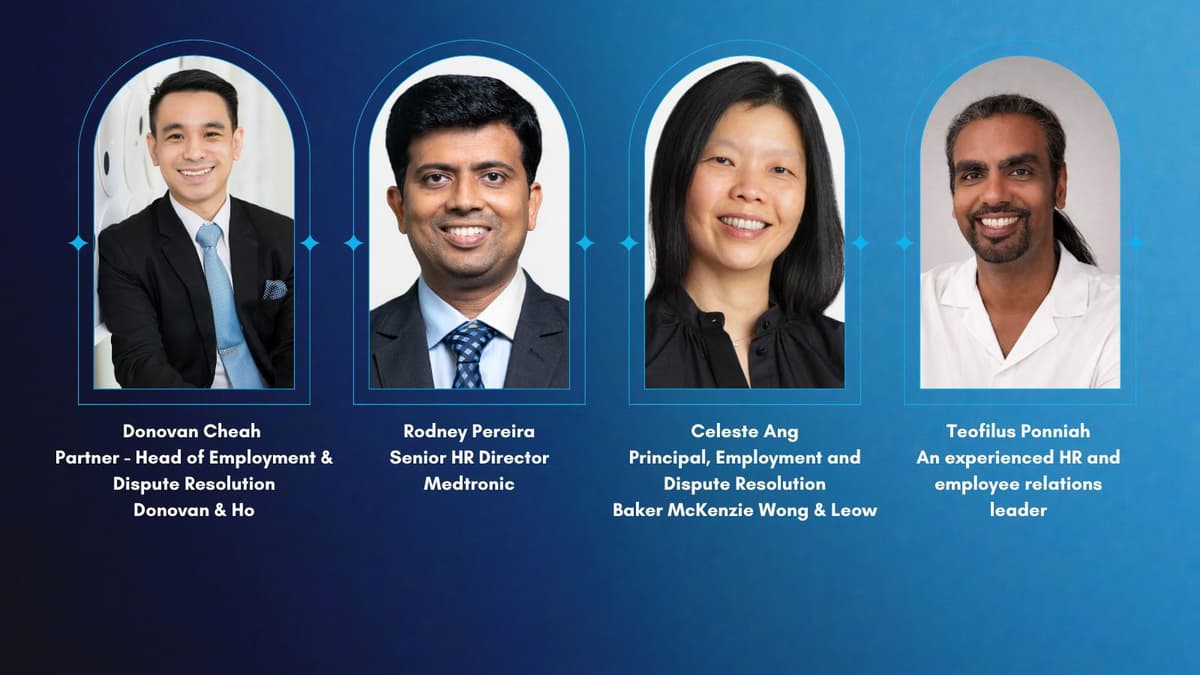
When Identity Can Be Faked: Deepfakes, Voice Cloning & the Legal Risks Implicating Workplaces
•February 27, 2026
0
Why It Matters
Synthetic media erodes the reliability of traditional trust signals, exposing firms to liability, financial damage and reputational risk if fraudulent instructions go unchecked.
Key Takeaways
- •Deepfakes enable fraudulent instructions, risking financial loss
- •Existing laws stretched; verification protocols essential
- •Outcome‑based HR reduces reliance on appearance
- •Multi‑factor authentication mitigates synthetic media threats
- •Cross‑functional governance required for digital identity security
Pulse Analysis
The proliferation of AI‑generated deepfakes and voice‑clones has turned a once‑niche curiosity into a mainstream security concern. In the APAC region, scammers exploit familiar voices and faces to bypass internal controls, prompting urgent financial transfers or illicit data disclosures. While traditional fraud statutes technically cover these acts, courts are still grappling with how to assess responsibility when the deception appears authentic. This legal ambiguity forces organisations to treat synthetic media as a distinct risk class, demanding proactive detection tools and clear evidentiary standards to protect both employees and shareholders.
From a compliance standpoint, the challenge extends beyond criminal liability. Companies must reconcile privacy obligations, data‑protection rules, and emerging anti‑deepfake regulations while maintaining operational efficiency. Legal counsel recommends embedding verification checkpoints—such as multi‑factor authentication, digital signatures, and AI‑driven media analysis—into routine approval workflows. Simultaneously, robust incident‑response playbooks and cross‑jurisdictional enforcement strategies are essential, as perpetrators often hide behind encrypted channels and offshore identities. By treating deepfake threats as a governance issue rather than a purely technical glitch, firms can better align risk‑management practices with evolving regulatory expectations.
HR leaders see an opportunity to dismantle long‑standing biases that equate visual credibility with competence. Shifting to outcome‑based performance assessments reduces reliance on superficial cues that deepfakes can mimic. Training programs that teach employees to question unexpected requests, coupled with unified policies from legal, IT and HR, create a resilient cultural shield. Organizations that integrate AI‑driven verification, enforce zero‑tolerance policies for malicious synthetic content, and prioritize demonstrable results will not only mitigate fraud risk but also foster a more inclusive, trust‑centric workplace in the age of synthetic media.
When identity can be faked: Deepfakes, voice cloning & the legal risks implicating workplaces
0
Comments
Want to join the conversation?
Loading comments...