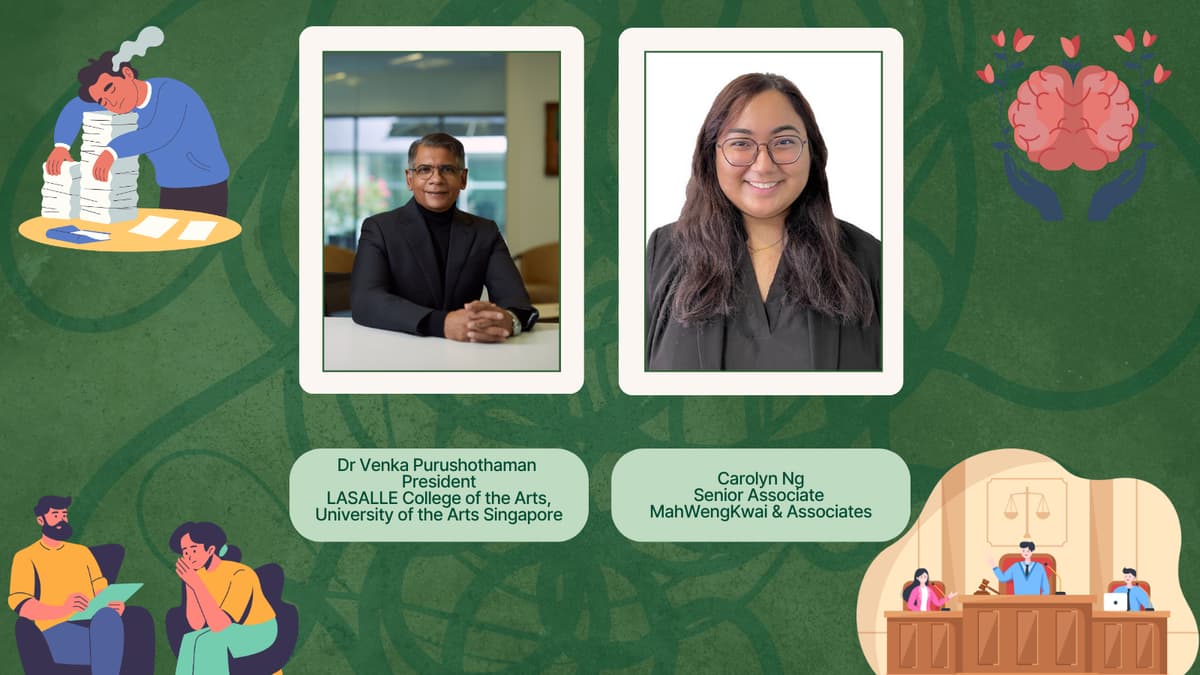
When Silence Speaks Loudest: Rethinking Psychological Safety in the Workplace
Why It Matters
Employers face growing regulatory exposure to psychological‑harm claims, making proactive safety measures essential to avoid costly lawsuits and criminal penalties, and to protect talent in an era where mental‑wellbeing drives employee retention and brand reputation.
Summary
Legal expert Carolyn Ng and education leader Dr Venka Purushothaman argue that psychological safety is no longer a soft HR initiative but a legal liability risk, especially in Malaysia where recent statutes criminalise psychological harm and define harassment, bullying and constructive dismissal. They outline how inadequate policies, poor communication and unchecked cultural practices can expose employers to civil and criminal claims, and recommend five practical steps—leader emotional‑intelligence training, robust feedback loops, prompt investigations, anti‑retaliation safeguards, and top‑down modeling—to mitigate risk. Ng proposes a cross‑disciplinary “Safe Workplace Response Framework” that integrates HR, legal and psychology functions, while Dr Venka cites LASALLE College’s whistleblowing and conduct policies as a model for embedding safety into institutional culture.
When silence speaks loudest: Rethinking psychological safety in the workplace
Comments
Want to join the conversation?
Loading comments...