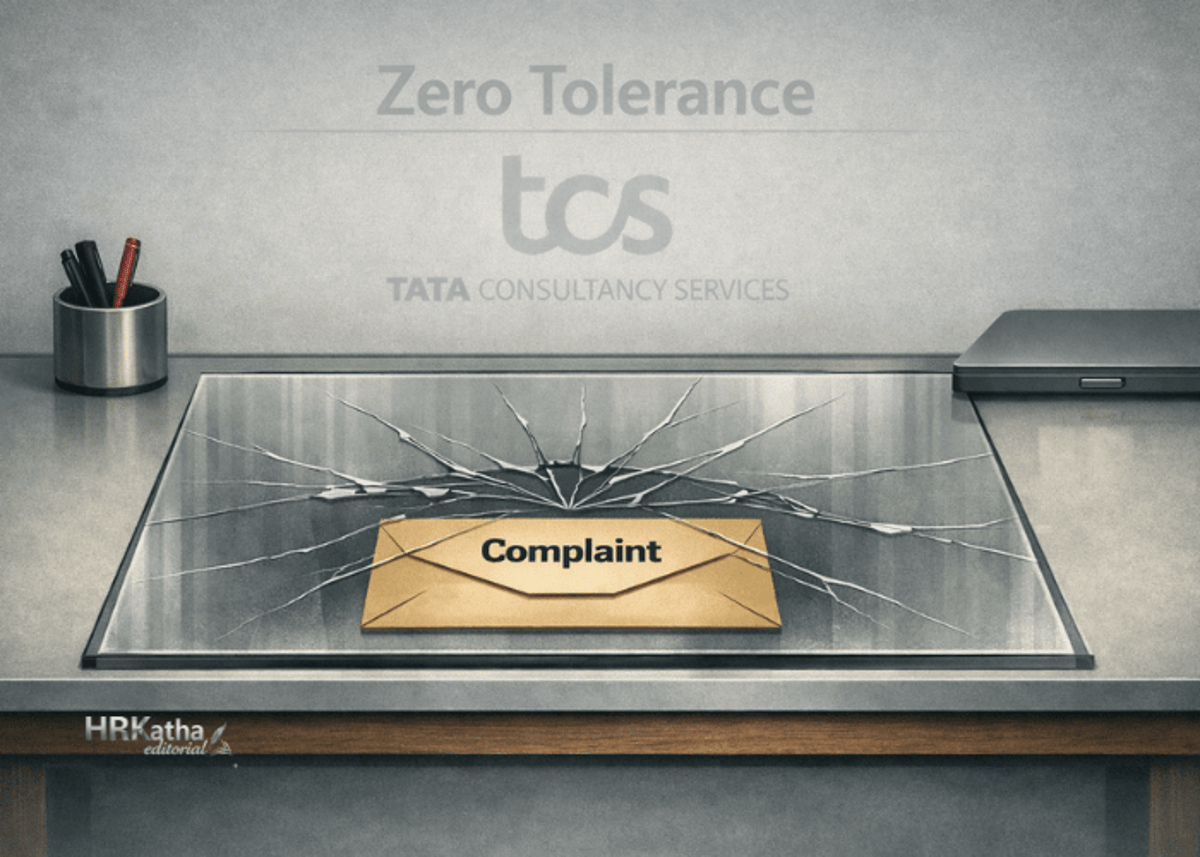
When “Zero Tolerance” Tolerates for Four Years
Companies Mentioned
Why It Matters
The case exposes how delayed internal responses can force external legal action, damaging corporate reputation and eroding employee trust. It underscores the need for transparent, accountable mechanisms in large enterprises and their subsidiaries.
Key Takeaways
- •Eight women filed harassment complaints over four years at TCS Nashik
- •Seven arrests include an HR manager from the POSH committee
- •Corporate response prioritized reputation over employee safety
- •Delayed internal action forced police intervention and public scrutiny
- •Zero‑tolerance policies need transparent timelines and independent oversight
Pulse Analysis
Workplace harassment remains a systemic risk for Indian corporations, despite the proliferation of POSH committees and formal policies. Recent data from the Ministry of Labour shows that only a fraction of complaints reach senior management, and many are resolved informally or not at all. This creates a culture where victims fear retaliation and where senior leaders underestimate the financial and legal fallout of unchecked misconduct. Companies that treat harassment as a reputational issue rather than a safety failure often see higher turnover, lower productivity, and increased regulatory scrutiny.
The TCS Nashik saga illustrates how even a global IT services giant can falter when internal safeguards break down. Over a four‑year period, 78 documented emails and multiple HR escalations failed to trigger a formal investigation, allowing alleged perpetrators to remain in place. The subsequent police sting and arrests forced the firm into a reactive stance, contradicting its public "zero‑tolerance" claim. Analysts note that such delays not only amplify legal exposure but also signal to employees that the grievance system is ineffective, prompting them to seek external remedies that can quickly become headline news.
To move from performance to substance, firms must embed independent oversight into their harassment response architecture. This includes separating complaint intake from HR, mandating real‑time tracking of allegations, and publishing clear timelines for each investigative step. Transparent reporting—such as quarterly dashboards on case volume and outcomes—reinforces accountability and restores trust. By aligning policy language with measurable actions, companies can protect their brand while genuinely safeguarding their workforce, turning zero‑tolerance from a slogan into a demonstrable practice.
When “zero tolerance” tolerates for four years
Comments
Want to join the conversation?
Loading comments...