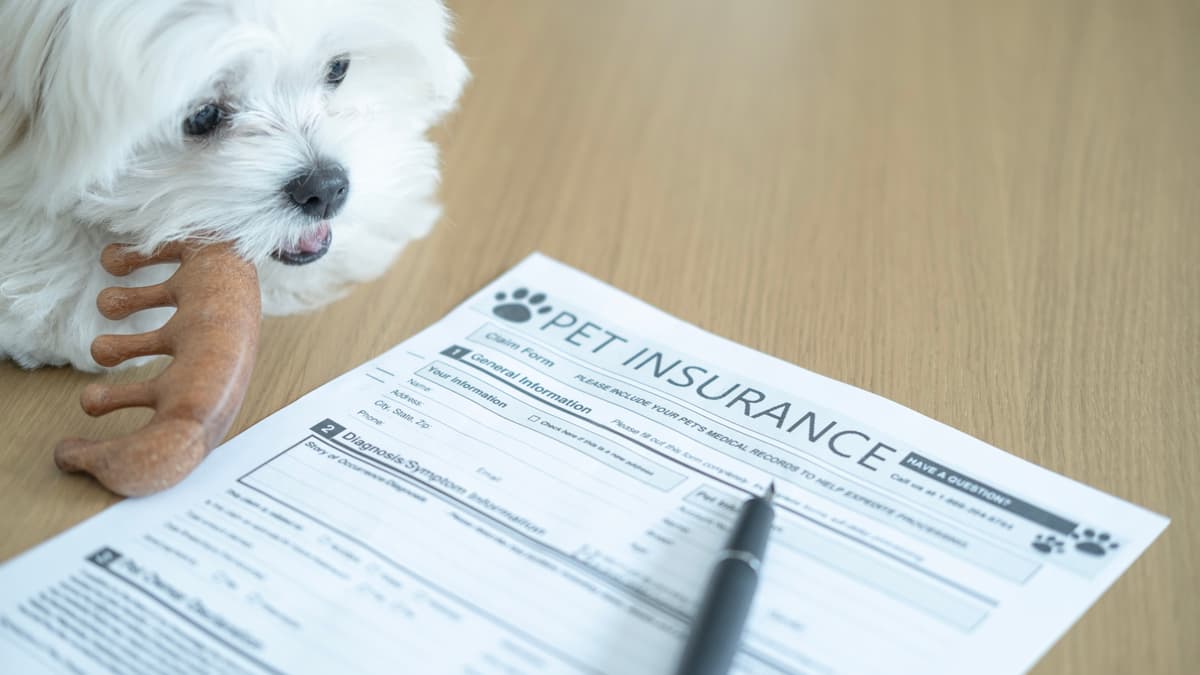
Why Pet Insurance Is Becoming an Expected Benefit
•March 9, 2026
0
Why It Matters
Adding pet insurance aligns benefits with modern workforce expectations, enhancing attraction, retention, and employee financial security.
Key Takeaways
- •Millennials/Gen Z drive pet insurance demand
- •Pet costs can exceed $10,000 per incident
- •Coverage administered via existing voluntary benefits platforms
- •94 million U.S. households own pets, broad relevance
- •Fast claims processing improves employee experience
Pulse Analysis
The rise of pet insurance mirrors the broader evolution of workplace benefits, where personal well‑being increasingly drives policy design. Younger workers, many of whom delay traditional milestones like marriage and children, allocate discretionary income toward pets, treating them as dependents. This demographic shift compels HR leaders to rethink benefit portfolios, integrating pet coverage alongside mental‑health and fertility options to stay competitive in talent markets that value holistic support.
From a financial‑wellness perspective, unexpected veterinary bills can derail even disciplined budgets, with emergency visits ranging from a few hundred to several thousand dollars. By offering pet insurance, employers provide a risk‑mitigation tool that reduces employee stress and potential turnover linked to financial strain. The coverage also signals an employer’s empathy for employees’ real‑life priorities, strengthening brand perception and fostering loyalty among a workforce that increasingly evaluates benefits through a personal‑impact lens.
Operationally, pet insurance is uniquely suited to voluntary‑benefits platforms, requiring no employer subsidies and minimal administrative overhead. Claims are typically processed within 48 hours via mobile uploads, delivering a seamless experience that mirrors consumer‑grade digital services. Industry data shows over 94 million U.S. households own pets, indicating a sizable employee segment that can be engaged through this offering. As adoption accelerates, pet insurance is poised to become a standard component of modern benefits packages, delivering measurable gains in employee satisfaction and financial resilience.
Why pet insurance is becoming an expected benefit
0
Comments
Want to join the conversation?
Loading comments...