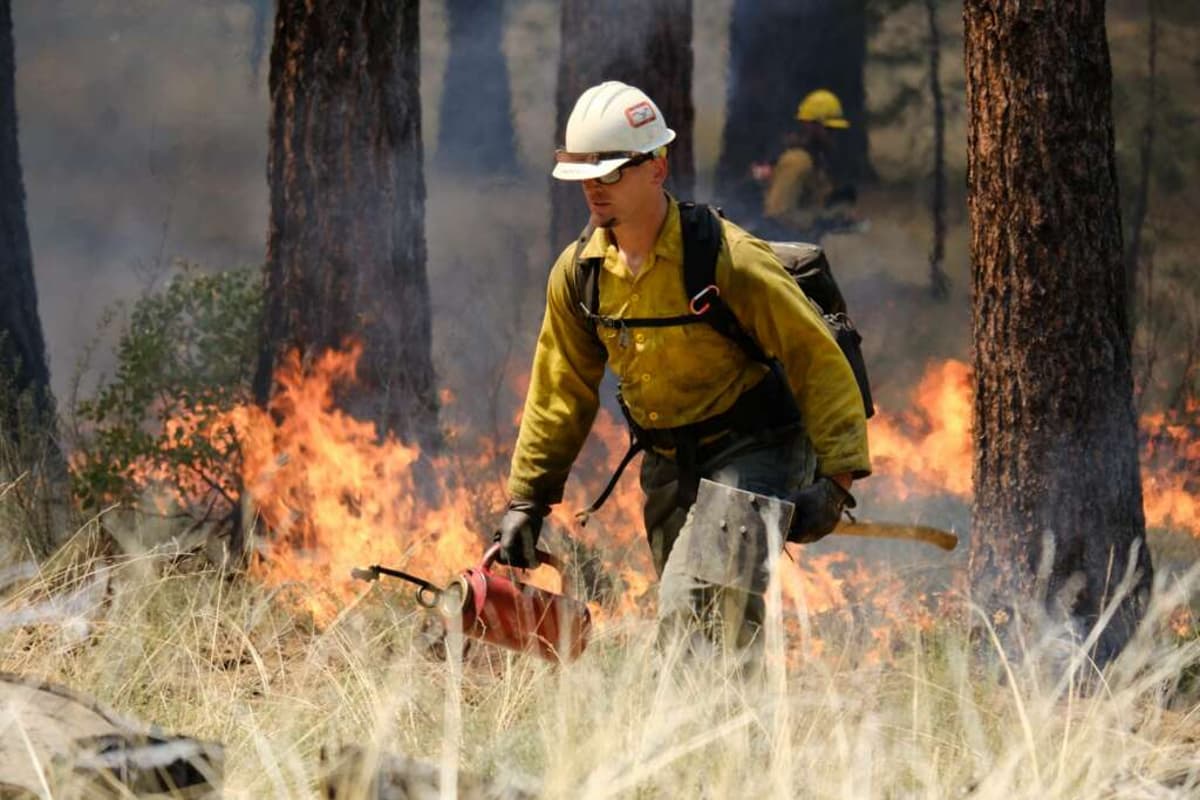
Wildland Firefighters on Track for 25% Hazard Pay Boost for Prescribed Burns
Why It Matters
Equalizing hazard pay for prescribed fires removes a key barrier to hiring and keeping skilled firefighters, strengthening the federal workforce that prevents catastrophic wildfires. The change also aligns with broader federal efforts to prioritize proactive fire management.
Key Takeaways
- •OPM proposes 25% hazard‑pay boost for prescribed‑burn duties
- •About 12,500 federal firefighters could receive the new pay
- •80% of Forest Service wildland crew already work on prescribed fires
- •Union NFFE backs proposal, sees it as recruitment tool
Pulse Analysis
Prescribed burns are a cornerstone of modern forest management, reducing fuel loads and lowering the likelihood of extreme wildfires. Yet federal firefighters have historically been excluded from hazard‑pay benefits for this work, creating a compensation gap despite comparable exposure to smoke, heat, and physical danger. The OPM’s new proposal to extend a 25% pay differential acknowledges the scientific consensus on the risks of controlled fires and aims to bring pay structures in line with actual job hazards.
The policy shift arrives at a critical moment for the federal fire service, which has struggled with recruitment and retention for years. By offering hazard pay for prescribed‑burn duties, the agency hopes to attract more certified "red‑card" personnel and retain experienced crews who might otherwise leave for higher‑paying private sector roles. The National Federation of Federal Employees has championed the change since 2022, and its endorsement underscores the union’s belief that compensation parity will translate into a more stable, capable workforce. Legislative efforts, such as the Wildland Firefighter Hazard Pay Correction Act, further signal bipartisan recognition of the issue.
Beyond workforce implications, the pay adjustment supports the administration’s broader wildfire‑prevention agenda. Incentivizing prescribed‑burn work can accelerate fuel‑reduction projects, which are essential for protecting communities in fire‑prone regions. While the rule still requires public comment and finalization, its potential to enhance operational capacity and reduce future suppression costs makes it a strategic investment in national resilience. Stakeholders will watch the June 15 comment deadline closely, as the final rule could reshape federal fire‑management economics for years to come.
Wildland firefighters on track for 25% hazard pay boost for prescribed burns
Comments
Want to join the conversation?
Loading comments...