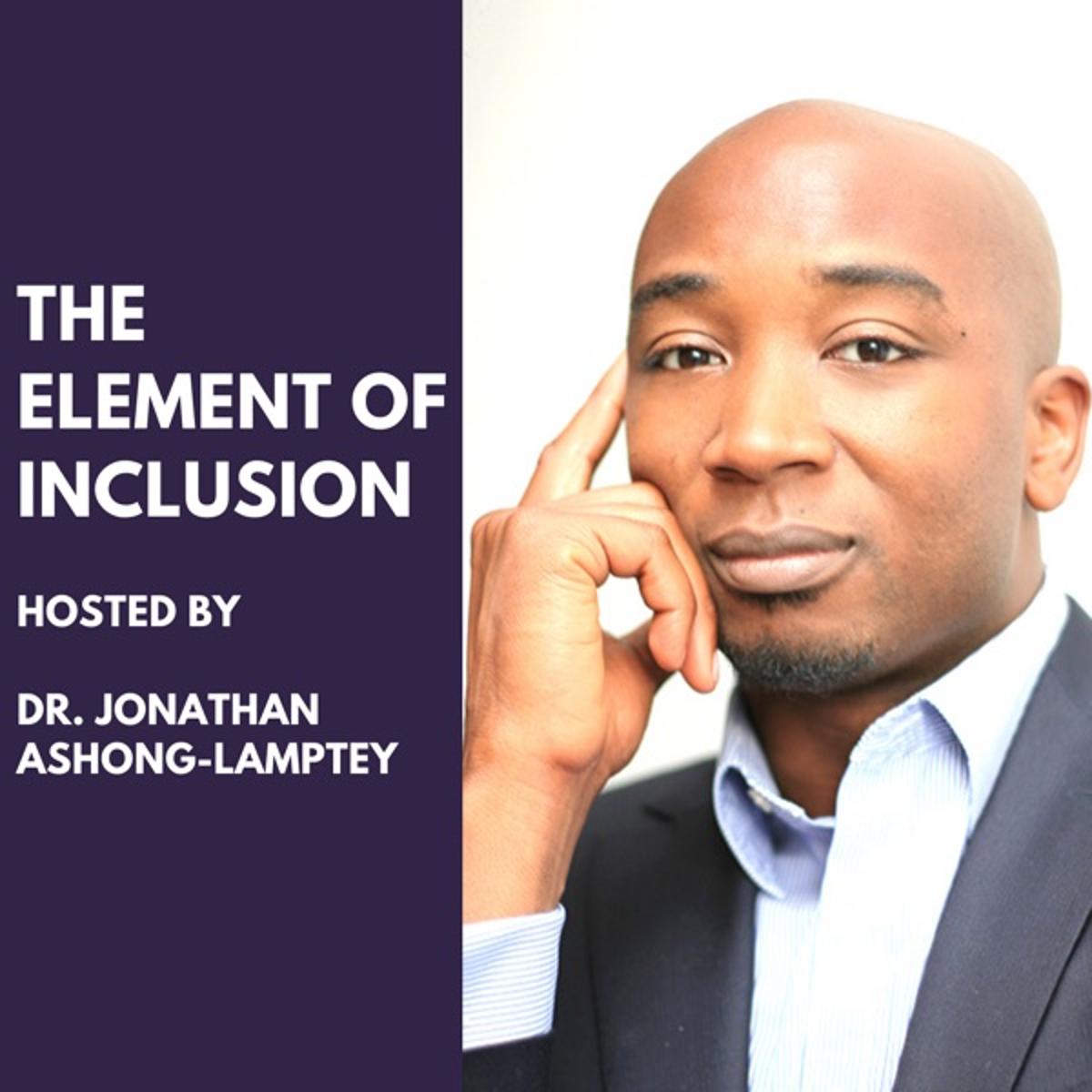
The Element of Inclusion
How to Turn Stories Into Inclusive Evidence
The Element of Inclusion
•March 10, 2026•6 min
0
The Element of Inclusion•Mar 10, 2026
Why It Matters
Moving from narrative to data‑driven inclusion protects organizations from biased decision‑making and demonstrates tangible progress to leaders. By adopting a structured evidence framework, companies can design effective interventions, allocate resources wisely, and build credibility for their diversity initiatives.
Key Takeaways
- •Anecdotes are claims, not evidence.
- •Test claims via hypotheses, not assumptions.
- •Use Peacock method to define population, intervention, comparison, outcome, context.
- •Gather evidence from literature, organization, stakeholders, professional expertise.
- •Turn stories into measurable inclusion outcomes.
Pulse Analysis
In this six‑minute episode Dr. Jonathan warns that inclusion strategies built on anecdotes are fragile, while evidence‑based approaches are “untouchable.” He shows how stories often masquerade as facts, turning personal claims into untested conclusions. By separating claims, assumptions, and hypotheses, listeners learn to treat every anecdote as a starting point for inquiry rather than a final verdict. This shift prevents shutdown of dialogue and lays the groundwork for rigorous, data‑driven inclusion work that can withstand scrutiny.
Jonathan then outlines a four‑source evidence model: academic literature, internal data, stakeholder feedback, and professional expertise. Missing any of these creates a reliance on opinion rather than proof. He introduces the Peacock method—Population, Intervention, Comparison, Outcome, Context—to turn vague hypotheses into precise, testable statements. For example, instead of saying “redesign recruitment,” the method forces teams to specify which candidate pool, what exact process change, the benchmark comparison, the measurable metric, and any external factors. This structure converts a story about low Black leadership applications into a concrete experiment with clear success criteria.
Finally, Jonathan promotes the Inclusion Reporting Reality Check, a five‑dimension audit that grades any ongoing inclusion initiative against observable results. By linking anecdotes to measurable outcomes, organizations can demonstrate credibility to leaders and justify investment. The episode ends with a call to transform at least one workplace story into a testable hypothesis this quarter, reinforcing that stories become conclusions only after evidence confirms them. This evidence‑first mindset equips HR and leadership teams to build truly inclusive cultures that deliver quantifiable business value. It also helps track ROI on diversity programs.
Episode Description
If inclusion decisions rely on anecdotes, weak claims shape strategy. Here I explain how to convert workplace stories into testable evidence.
In this episode we cover:
• How anecdotes become testable inclusion hypotheses
If your challenge is turning inclusion stories into measurable evidence, begin here:
https://realitycheck.elementofinclusion.com/
The post How to Turn Stories into Inclusive Evidence appeared first on Element of Inclusion.
Show Notes
0
Comments
Want to join the conversation?
Loading comments...