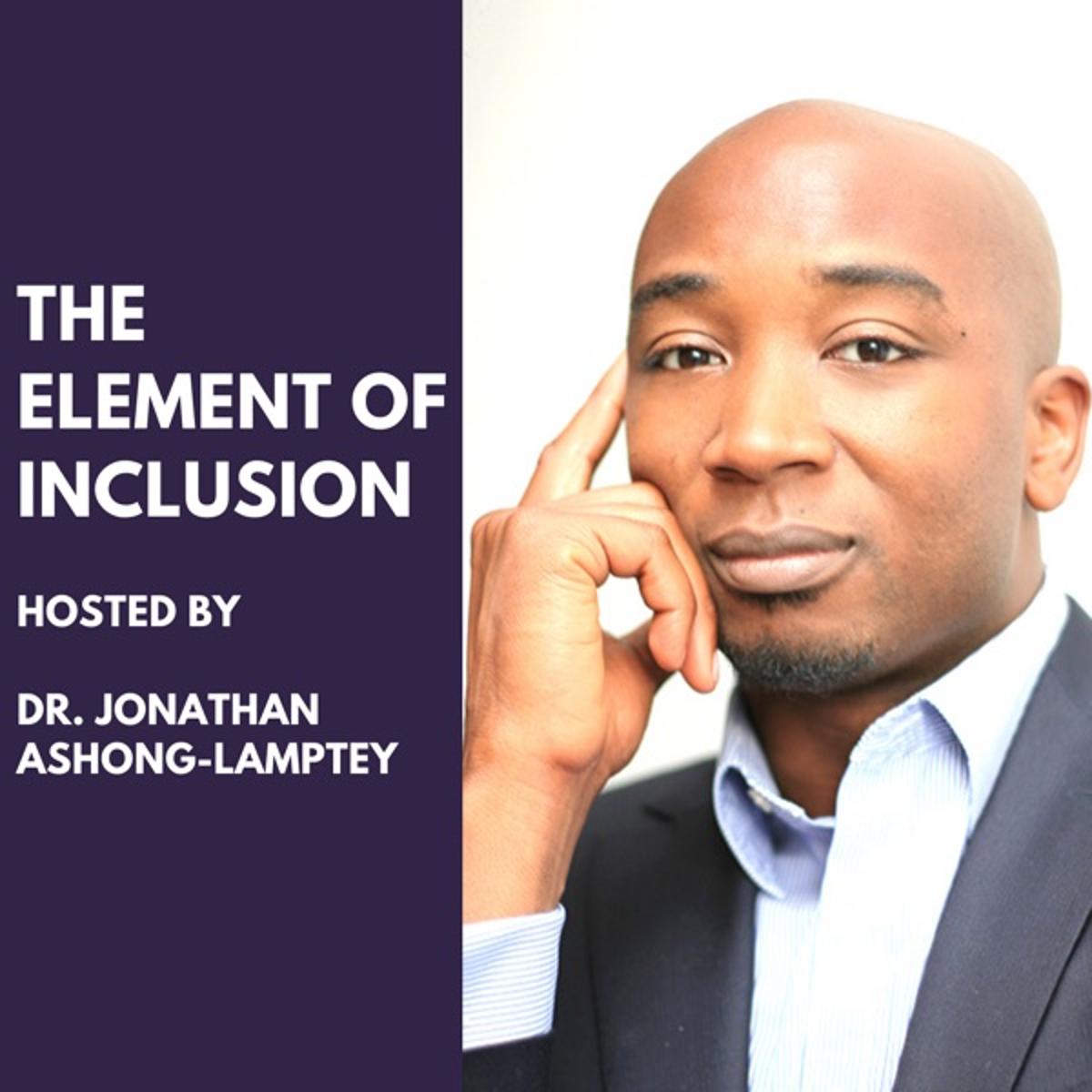
The Element of Inclusion
Why Managing AI Is An Inclusion Problem
Why It Matters
Viewing AI through an inclusion lens spotlights the human impact of automation, ensuring that productivity gains don’t come at the cost of equity and employee morale. As AI-driven decisions increasingly shape careers and workplace dynamics, leaders must embed inclusive practices now to prevent universal feelings of exclusion and to sustain a people‑first culture.
Key Takeaways
- •AI reshapes work, demanding inclusive management strategies.
- •HR leaders still use AI for traditional reporting tasks.
- •Exclusion language spreads as AI decisions lack transparency.
- •Real‑time AI tools can replace mandatory training sessions.
- •People may become bottlenecks when AI outperforms them.
Pulse Analysis
In this episode, Dr. Jonathan reframes artificial intelligence from a purely technical challenge to an inclusion problem. He notes that over 100 senior HR leaders are deploying AI to automate the same reports, surveys, and analyses they performed manually, missing the chance to redesign work. By treating AI as a tool for systemic change rather than a productivity add‑on, organizations can align technology with the broader goal of ensuring every employee belongs, performs, and reaches potential. Keywords such as AI adoption, inclusive management, and workplace transformation underscore the urgency for HR to rethink its AI strategy.
The conversation shifts to the growing language of exclusion that now echoes across both minority and majority groups. Algorithms are dictating role restructures, promotion decisions, and workload expectations without transparent rationale, leaving employees feeling unheard and unfairly treated. This mirrors classic DEI concerns—unacknowledged lived experiences, opaque decision‑making, and a sense that rules are imposed without consultation. As AI amplifies these dynamics, the episode highlights why diversity, equity, and inclusion professionals must scrutinize algorithmic bias and embed inclusive governance into AI deployment.
Finally, Dr. Jonathan challenges the assumption that people are always the organization’s most valuable asset. When AI can execute calculations, generate formulas, or even replace entire roles, the human element can become a bottleneck rather than a catalyst. He urges leaders to envision hybrid teams where AI augments human strengths while preserving the relational core of work. The takeaway is clear: treating AI as an inclusion problem requires proactive policies, transparent communication, and a reimagined role for people in AI‑driven workplaces.
Episode Description
If your organisation treats AI as a technology problem, the people decisions it shapes go unchecked. Here I explain why managing AI is an inclusion problem. In this episode we cover: Why the experience of exclusion is becoming universal How inclusion skills apply directly to AI decisions Why “people are most important” is being challenged …
Why Managing AI Is An Inclusion Problem Read More »
The post Why Managing AI Is An Inclusion Problem appeared first on Element of Inclusion.
Comments
Want to join the conversation?
Loading comments...