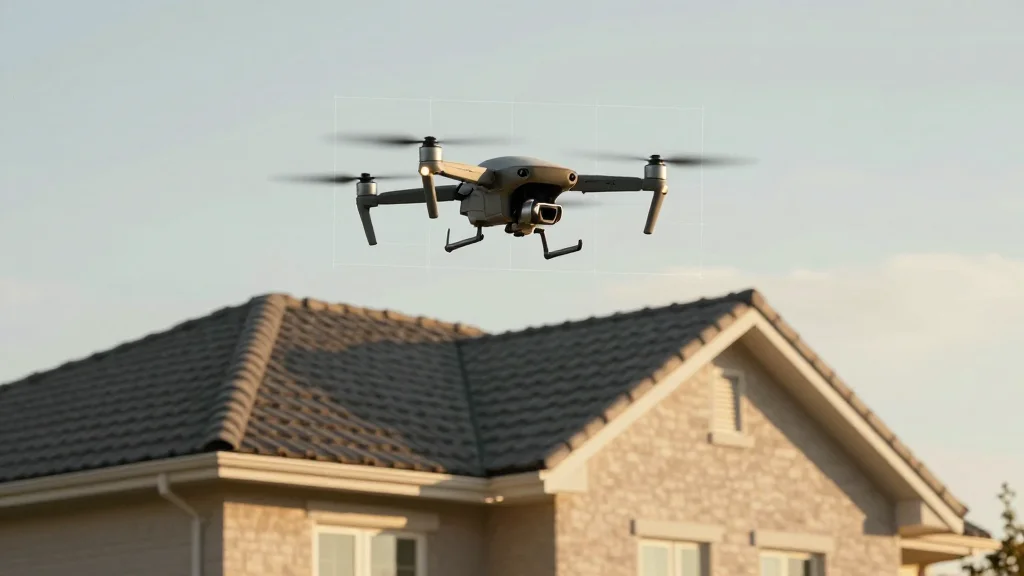
Insurance Companies Using Drones to Jack Rates, Cancel Policies: 5 Ways to Fight Back
Key Takeaways
- •Insurers have imaged 99% of U.S. homes via drones or balloons.
- •Minor issues like moss or trampolines can trigger nonrenewals.
- •Homeowners can demand the aerial evidence and dispute AI errors.
- •Raising deductibles or bundling policies are quick ways to lower premiums.
- •Installing security or storm mitigation devices can earn sizable discount percentages.
Pulse Analysis
The insurance industry’s pivot to aerial surveillance reflects a broader trend of data‑driven underwriting. By leveraging drones, planes and even high‑altitude balloons, carriers can capture high‑resolution imagery of virtually every residence. This granular view feeds sophisticated AI algorithms that flag any perceived defect, no matter how trivial. While insurers argue that such precision helps price risk more accurately, critics warn that the technology amplifies privacy intrusions and can produce false positives—mistaking shadows for structural damage—leading to unjustified premium spikes or policy cancellations.
For homeowners, the consequences are immediate and costly. A single misidentified flaw can reclassify a property as high‑risk, prompting nonrenewal notices that force consumers into a scramble for new coverage at substantially higher rates. The lack of transparency around the images and the AI’s decision‑making process leaves policyholders with limited recourse. Legal scholars note that existing insurance regulations were not designed for remote, automated assessments, opening a potential arena for litigation and regulatory intervention aimed at ensuring fair disclosure and the right to contest aerial evidence.
In response, experts recommend a proactive playbook: request the exact images, verify findings with independent inspectors, and consider policy adjustments such as higher deductibles or bundling to offset premium increases. Investing in mitigation measures—storm shutters, smart leak detectors, or upgraded security systems—can also unlock discounts that counterbalance the insurer’s risk appetite. As the market adapts, insurers that balance technological efficiency with clear communication and consumer safeguards are likely to retain trust, while those that over‑reach may face backlash from regulators and advocacy groups.
Insurance companies using drones to jack rates, cancel policies: 5 ways to fight back
Comments
Want to join the conversation?