Telematics Drives Shift in Commercial Insurance
Key Takeaways
- •Telematics provides real‑time driver behavior data for commercial fleets
- •Continuous underwriting aligns premiums with actual usage, reducing loss ratios
- •Insurers become proactive risk partners, offering instant feedback to policyholders
- •Data ownership and analytics become competitive differentiators in the market
- •Partnerships with OEMs and telematics firms accelerate digital transformation
Pulse Analysis
The commercial insurance landscape has long relied on historical loss tables and annual policy cycles, a method that struggles to keep pace with the fluid risk environments of logistics, construction and transportation. As fleets become more connected, insurers face blind spots that translate into higher claim frequencies and mismatched pricing. Continuous insurance, built on real‑time telematics, offers a solution by turning every mile into a data point, allowing carriers to see risk as a moving target rather than a static statistic.
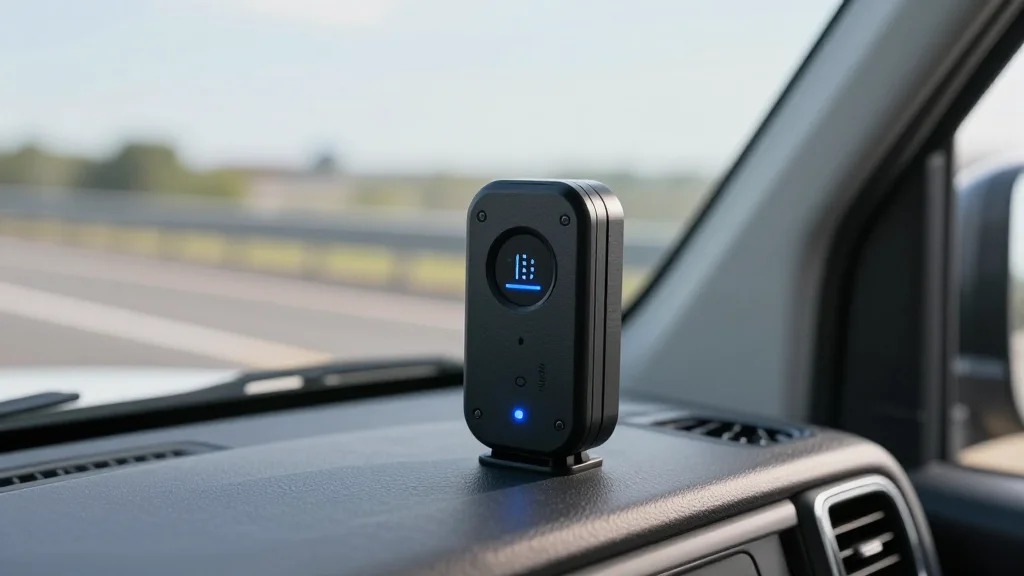
Telematics devices capture granular metrics such as acceleration, braking intensity, route selection, cargo temperature and even driver fatigue indicators. Advanced analytics ingest these streams, converting raw signals into actionable risk scores that can trigger immediate alerts or policy adjustments. For underwriters, this means premiums can be calibrated to reflect actual driving behavior, rewarding safe practices and penalizing risky patterns in near real‑time. The result is a tighter loss ratio, more accurate reserve setting, and a portfolio that mirrors the true exposure of each commercial fleet.
Beyond underwriting, the rise of continuous insurance reshapes the insurer’s value proposition. Companies are no longer passive pay‑outs; they become partners delivering predictive insights, route optimization and maintenance recommendations. This embedded approach drives strategic alliances with OEMs, telematics platform providers and data‑analytics firms, turning data ownership into a core competitive moat. As the industry embraces proactive risk prevention, insurers that master real‑time data integration will secure long‑term relevance and open new revenue streams through value‑added services.
Telematics Drives Shift in Commercial Insurance
Comments
Want to join the conversation?