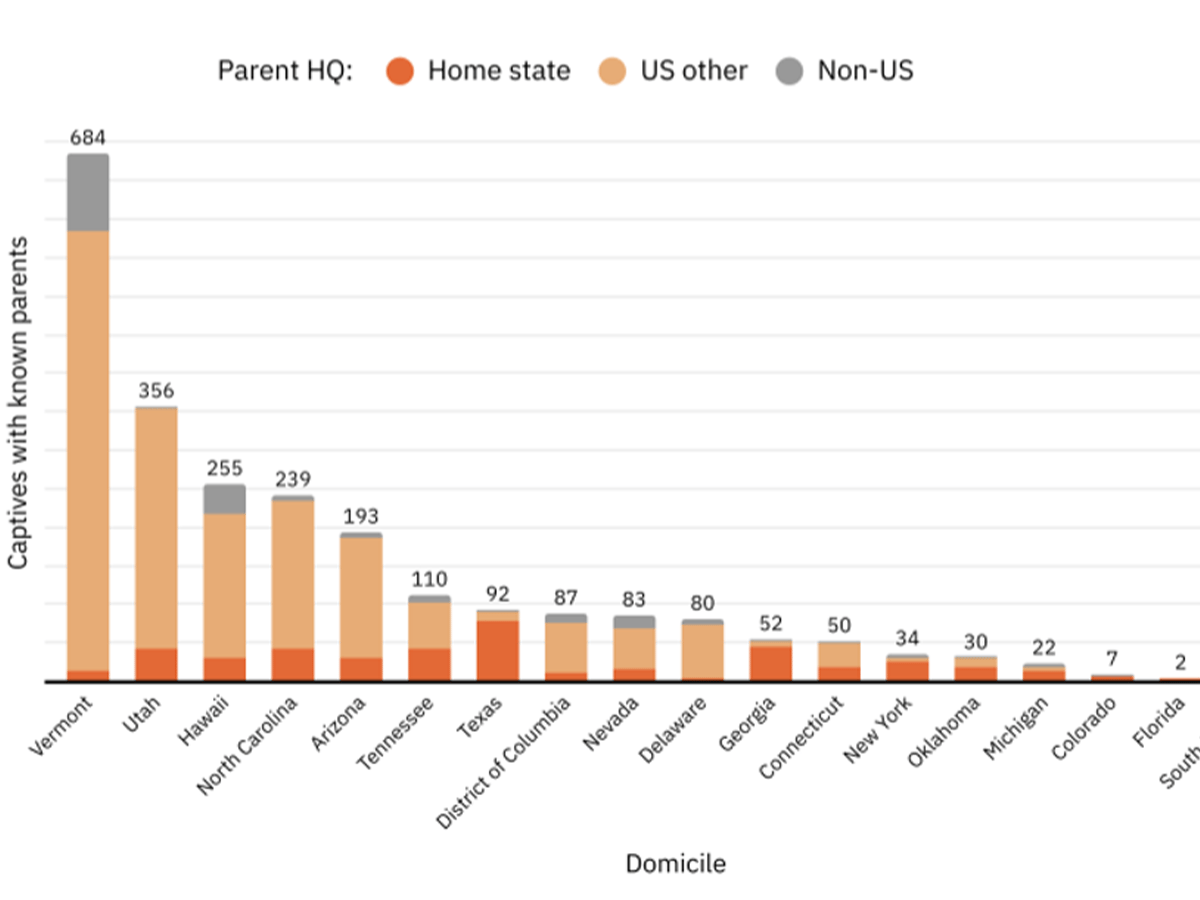
The Rise of Home-State Domiciling in the US Captive Market
Key Takeaways
- •Self‑procurement tax incentives influence captive domicile decisions
- •More states enact legislation to attract home‑state captives
- •Merit‑based regulatory frameworks compete with tax benefits
- •Traditional hubs face pressure to add non‑tax value
Pulse Analysis
Captive insurers have long gravitated toward a narrow set of jurisdictions that offered favorable tax treatment and established regulatory regimes. Offshore centers such as Bermuda and the Cayman Islands, along with onshore states like Vermont, Hawaii, and Arizona, became the default homes for U.S. corporate captives. Over the past decade, however, a growing number of parent companies are reevaluating this model, opting to domicile their captives in the same state where they operate. This realignment reflects a broader industry desire for tighter integration between the captive and its parent’s operational footprint.
A key catalyst behind the home‑state movement is the emergence of self‑procurement tax credits, which effectively reduce the net cost of retaining risk internally. Simultaneously, state legislatures are rolling out targeted captive statutes that streamline formation, broaden permissible lines of business, and provide regulatory certainty. By emphasizing merit‑based criteria—such as governance standards, capital adequacy, and claims handling efficiency—states are positioning themselves as holistic risk‑management partners rather than mere tax havens. This policy shift encourages insurers to assess domicile decisions through a lens of overall business value, not just fiscal savings.
The implications are twofold. For corporations, locating a captive in the home state can simplify compliance, improve data transparency, and foster closer collaboration with internal risk teams, ultimately driving cost efficiencies. For traditional captive hubs, the pressure to innovate is mounting; they must now offer sophisticated services, advanced analytics, and robust regulatory support to stay competitive. As more states refine their captive frameworks, the market is likely to see a more diversified domicile landscape, with strategic considerations extending beyond tax to encompass operational alignment and regulatory excellence.
The rise of home-state domiciling in the US captive market
Comments
Want to join the conversation?