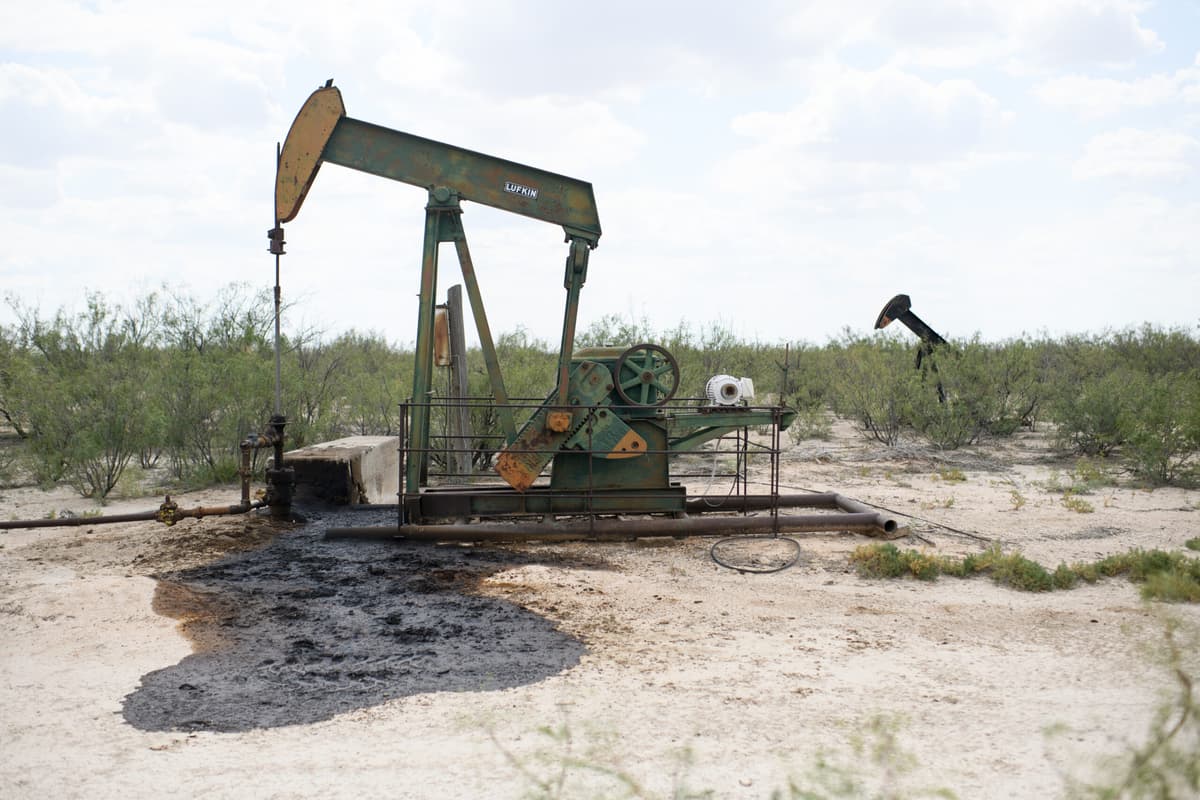
A 50% Surge in Zombie Oil Wells Prompts Texas to Crack Down on Toxic Water Leaks
Companies Mentioned
Why It Matters
The crackdown targets a growing environmental hazard that could disrupt the Permian’s output and expose operators to liability, reshaping waste‑water management practices across the U.S. oil sector.
Key Takeaways
- •Zombie wells up 53% to 29 daily leaks statewide
- •RRC proposes two‑mile injection shut‑in radius around leaks
- •Permian produces ~7 M bpd, near record, but at risk
- •Shallow disposal linked to surface spills, despite earthquake concerns
- •Emergency declaration shields operators from civil liability
Pulse Analysis
The Texas Railroad Commission’s proposed emergency measures reflect a tipping point in the state’s handling of produced water, a by‑product that now dwarfs crude volumes. For every barrel of oil extracted in the Permian, three to five barrels of saline, chemically‑laden water are generated, totaling over 20 million barrels daily. Historically, operators have injected this fluid deep underground, but rising pressures have forced water into abandoned wells, creating the so‑called zombie wells that breach the surface and contaminate land and water resources. The regulator’s data show a 53% jump in daily leaks, prompting a policy shift from merely containing surface flows to addressing subsurface pressure sources.
The two regulatory options under consideration illustrate contrasting approaches to crisis management. Option 1 mandates an immediate two‑mile shutdown of all injection wells surrounding a leak, forcing operators to demonstrate safe confinement before resuming activity. Option 2 leverages local expertise, allowing a vetted group of operators to coordinate the response while the commission retains oversight. Both pathways include an “oil and gas emergency” declaration, which limits civil liability for participating firms—a critical incentive for rapid action. By tightening injection controls and demanding greater data sharing, the RRC aims to curb the root cause of leaks while preserving the Permian’s near‑record output.
Industry analysts warn that unchecked wastewater issues could erode the Permian’s competitive edge, especially as global buyers scrutinize environmental performance. The proposed rules may set a precedent for other high‑production states grappling with similar waste‑water pressures. Companies that adapt early—by investing in advanced water‑treatment, recycling technologies, or deeper, more secure injection sites—stand to mitigate operational disruptions and avoid costly legal exposure. In the broader context, Texas’ response underscores the growing intersection of energy production, environmental stewardship, and regulatory agility in a market increasingly defined by ESG considerations.
A 50% Surge in Zombie Oil Wells Prompts Texas to Crack Down on Toxic Water Leaks
Comments
Want to join the conversation?
Loading comments...