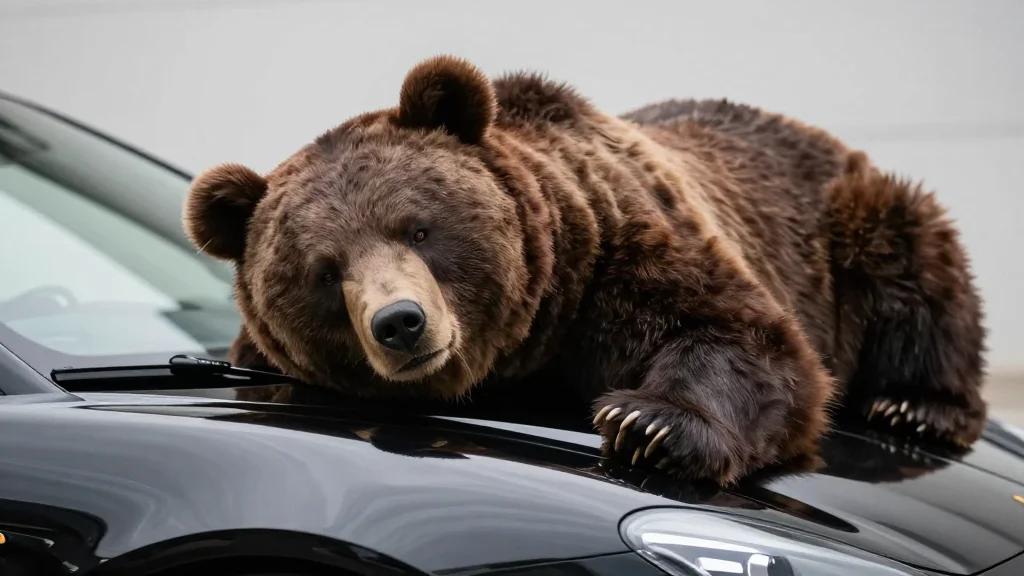
California Bear‑Suit Scam Nets $142K Fraud Payouts, Three Charged with Felony Insurance Fraud

Companies Mentioned
Why It Matters
The bear‑suit fraud case illustrates how inventive schemes can exploit gaps in insurance claim verification, especially for high‑value vehicles. By successfully staging fake animal attacks, the perpetrators exposed vulnerabilities in automated fraud detection systems, prompting insurers to reinforce manual oversight and cross‑agency collaboration. The convictions send a clear message that regulators will pursue even the most outlandish fraud attempts, potentially leading to stricter underwriting standards and higher premiums for luxury‑car owners. Moreover, the case highlights the importance of interdisciplinary cooperation—insurance investigators worked with wildlife officials to debunk the bear narrative. This model may become a template for future fraud investigations, encouraging insurers to partner with non‑traditional agencies to validate unusual claims, thereby safeguarding the integrity of the insurance ecosystem.
Key Takeaways
- •Three defendants pleaded no contest to felony insurance fraud involving staged bear attacks on luxury cars.
- •Fraudulent claims totaled $141,839, targeting a Rolls‑Royce Ghost, Mercedes G63 AMG, and Mercedes E350.
- •Each defendant sentenced to 180 days in a weekend‑jail program; a fourth suspect awaits a September 2026 hearing.
- •California Department of Insurance collaborated with wildlife officials to confirm the bear was a costume.
- •Case underscores need for enhanced manual review of high‑value vehicle claims and inter‑agency cooperation.
Pulse Analysis
The bear‑suit scheme is a textbook example of how fraudsters can blend theatricality with financial gain, exploiting the high‑stakes nature of luxury‑car insurance. Historically, insurers have relied on pattern‑recognition algorithms to flag anomalous claims, but this case demonstrates that sophisticated fraud can slip through when the narrative appears plausible—an animal attack in a remote mountain locale. The involvement of the Department of Fish and Wildlife was crucial; it provided an external validation that the alleged bear was a person, a step most insurers would not normally take.
From a market perspective, the $142,000 loss is a drop in the ocean for the multi‑billion‑dollar luxury‑auto segment, yet the reputational risk is outsized. Insurers may respond by tightening claim‑submission protocols for high‑value vehicles, possibly requiring additional evidence such as third‑party verification or on‑site inspections for unusual damage reports. This could increase operational costs but also reduce exposure to similar schemes.
Looking ahead, the case could catalyze broader industry initiatives to share fraud intelligence across state lines and with non‑insurance agencies. As fraudsters become more creative, the defense must evolve from siloed data analysis to a collaborative ecosystem that includes wildlife, law enforcement, and even private investigators. The weekend‑jail sentencing also reflects a calibrated punitive approach, balancing deterrence with the defendants’ ability to maintain employment—a nuance that may influence future prosecutorial strategies in white‑collar fraud cases.
California Bear‑Suit Scam Nets $142K Fraud Payouts, Three Charged with Felony Insurance Fraud
Comments
Want to join the conversation?
Loading comments...