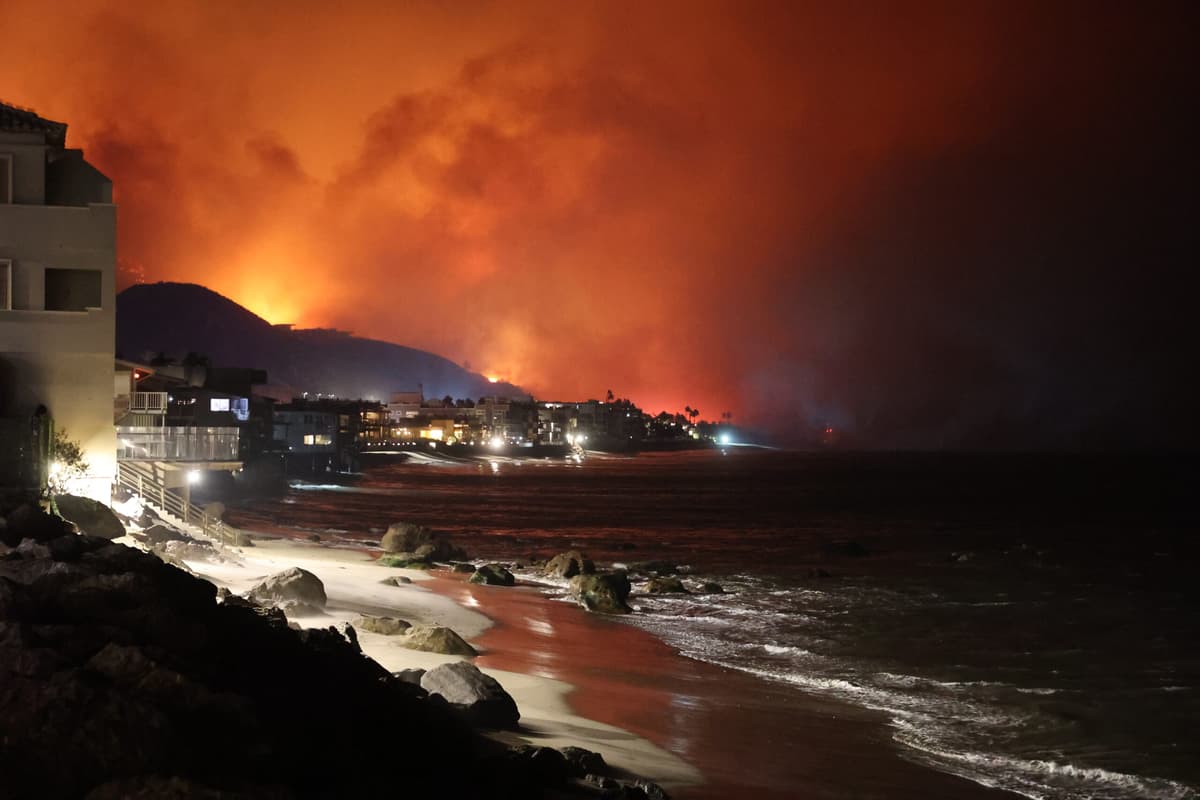
California Wildfire Risk Bills Cruising Through Legislature
Why It Matters
The measures could lower insurance costs and protect property by financing resilience, while coordinated partnerships aim to streamline mitigation across sectors, addressing the state's escalating fire threat.
Key Takeaways
- •SB 894 offers low‑interest loans for fire‑hardening projects.
- •SB 1297 creates regional insurer‑utility‑nonprofit mitigation partnerships.
- •Both bills cleared committees without opposition, speeding passage.
- •Passage could reduce future wildfire losses and insurance premiums.
Pulse Analysis
California’s wildfire season has grown more severe, with climate‑driven droughts and expanding wildland‑urban interfaces pushing insurers and policymakers to seek proactive solutions. Recent megafires, such as the 2025 Pacific Palisades blaze, have exposed gaps in homeowner preparedness and highlighted the financial strain on insurers facing rising claim volumes. In this context, state legislators are turning to risk‑reduction financing and collaborative frameworks to curb future losses before they materialize.
Senate Bill 894 tackles the financing barrier head‑on by establishing the California Wildfire Resilience Loan Program. By offering low‑interest loans to homeowners and small businesses, the bill aims to make defensible‑space landscaping, fire‑rated roofing, and other hardening measures affordable. Similar programs in Colorado and Oregon have demonstrated that modest loan terms can accelerate retrofits, leading to measurable drops in claim frequency. If enacted, SB 894 could also influence underwriting standards, as insurers may reward borrowers who adopt loan‑funded upgrades with lower premiums, creating a virtuous cycle of risk mitigation and cost savings.
Senate Bill 1297 complements the loan initiative by forming Regional Wildfire Public‑Private Partnerships. These entities would bring together insurers, utility companies, local governments, and nonprofits to align mitigation priorities, share data, and coordinate vegetation management. By pooling resources and expertise, the partnerships can target high‑risk corridors more efficiently than fragmented efforts. The model mirrors successful public‑private collaborations in California’s energy sector, suggesting it could streamline grant allocation, improve community outreach, and ultimately reduce the economic toll of future fires. Together, the two bills represent a comprehensive strategy that blends financing with coordinated action, positioning California to better protect its residents and stabilize the insurance market.
California Wildfire Risk Bills Cruising Through Legislature
Comments
Want to join the conversation?
Loading comments...