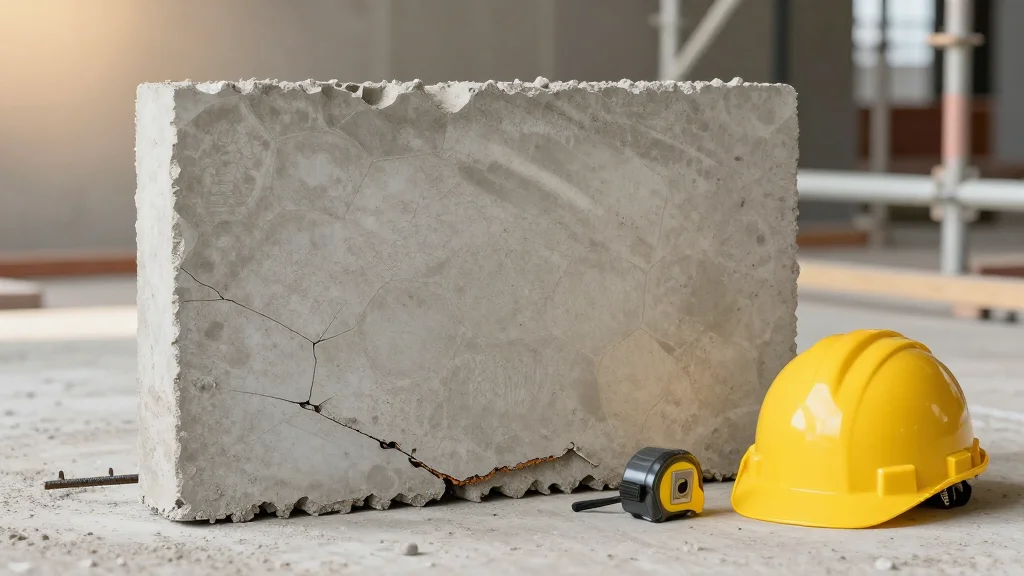
Call for Public Inquiry Into Handling of Raac Crisis
Why It Matters
The petition highlights systemic gaps in building safety oversight that could expose thousands of residents to structural failures, while the government's limited response risks prolonged remediation costs and public distrust. Addressing these gaps is crucial for protecting housing stability and ensuring accountability across the construction sector.
Key Takeaways
- •Petition urges public inquiry into 2023 Raac crisis handling
- •Calls for high‑risk building register and 60‑year developer liability
- •DfE targets complete Raac removal from schools by 2029 election
- •MTC's Raac Playbook provides standardized assessment and remediation guidance
- •Hospital Raac replacements are two years behind schedule
Pulse Analysis
The Raac controversy has resurfaced as a parliamentary petition calls for a full public inquiry into how national and local authorities managed the 2023 crisis. While the Department for Education has set an ambitious timetable to eradicate the material from schools by the 2029 election, hospitals remain mired in costly remediation, with estimates of hundreds of millions of pounds (roughly $125‑$250 million) required to stabilise affected facilities. Critics argue that existing Building Safety Act provisions, focused on high‑risk residential blocks, do not adequately cover the broader spectrum of Raac‑laden structures, leaving homeowners and public institutions vulnerable.
Industry response has been proactive. The Manufacturing Technology Centre’s recently released Raac Playbook consolidates non‑destructive testing data and public research into a unified framework for identifying, assessing, and remediating Raac. This resource aims to close the knowledge gap that has hampered timely repairs and to provide clear guidance for surveyors, developers, and building owners. By standardising best practices, the Playbook could accelerate remediation timelines, reduce financial exposure, and restore confidence among stakeholders.
The petition’s broader demands—such as establishing a high‑risk building register, mandating defect reporting, and imposing a 60‑year liability window on developers—reflect growing pressure for stronger regulatory oversight. If adopted, these measures would align the UK’s approach with lessons learned from past material crises, like the high‑alumina cement debacle of the 1970s. For investors, insurers, and policymakers, the outcome will signal how seriously the government intends to protect the built environment and mitigate future systemic risks.
Call for public inquiry into handling of Raac crisis
Comments
Want to join the conversation?
Loading comments...