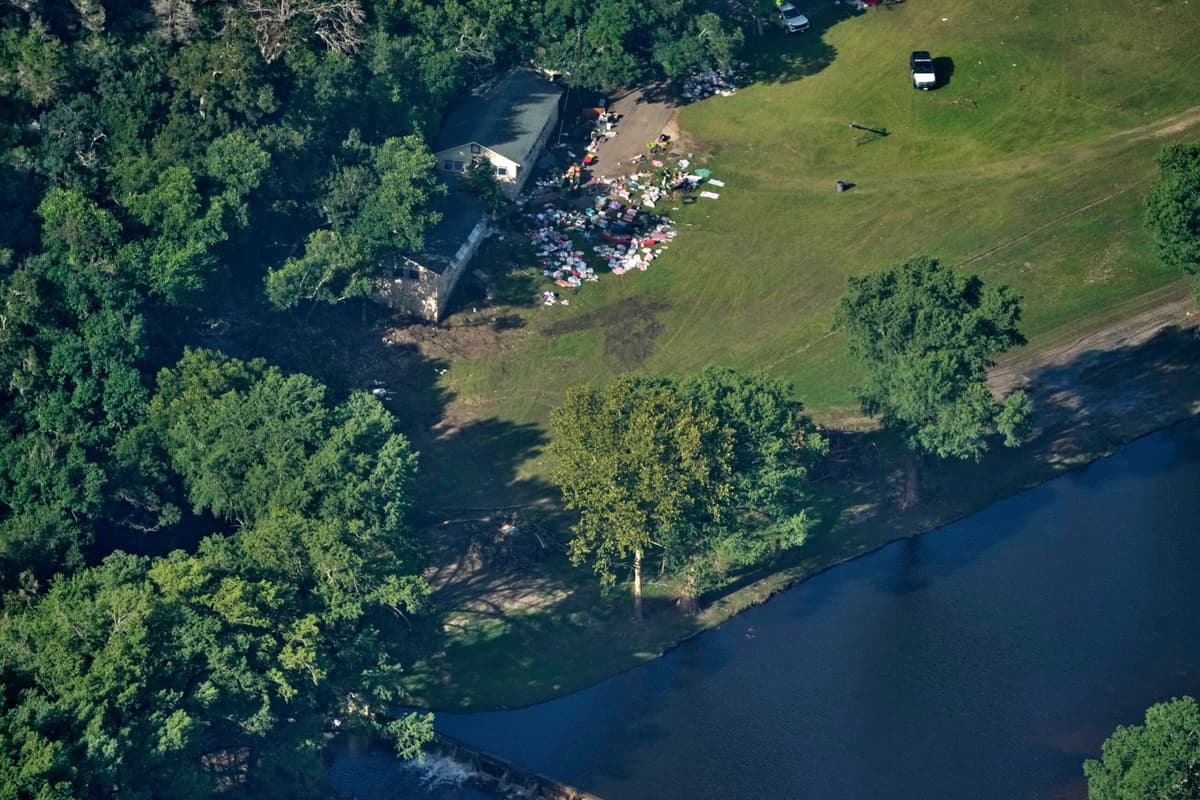
Camp Mystic Parents Sue Texas, Allege Evacuation Plan Requirement Not Enforced
•February 25, 2026
0
Why It Matters
The case underscores potential liability for state regulators when licensing safety‑critical facilities, prompting scrutiny of compliance enforcement across Texas youth camps. It may drive stricter oversight and legislative action to prevent similar tragedies.
Key Takeaways
- •State law mandates evacuation plans for Texas youth camps
- •DSHS licensed Camp Mystic despite lacking evacuation component
- •Flood killed 27 campers and counselors, prompting lawsuit
- •Officials allegedly ignored inspection reports before disaster
- •New laws now require illuminated evacuation routes
Pulse Analysis
The Camp Mystic tragedy has thrust Texas’s youth‑camp licensing regime into the national spotlight. State law explicitly requires every camp to maintain a documented evacuation plan, yet the Department of State Health Services (DSHS) approved the facility without verifying that critical component. The July 4 flash flood on the Guadalupe River exposed this gap, as campers were instructed to remain in cabins that quickly became death traps. The resulting loss of 27 lives, including nine children whose families now sue, illustrates how regulatory oversights can translate into catastrophic human and legal costs.
Regulatory accountability is at the heart of the lawsuit, which names six senior DSHS officials, including Commissioner Jennifer Shuford. Plaintiffs argue that inspectors repeatedly noted the absence of an evacuation strategy yet still issued a license, effectively violating Texas statutes. This alleged “policy of non‑compliance” raises questions about the agency’s internal checks, the weight given to inspection reports, and the broader culture of risk assessment in state‑run licensing. If courts find the officials liable, the decision could set a precedent that expands governmental responsibility for safety compliance beyond mere paperwork, compelling agencies to enforce substantive, not just procedural, standards.
Beyond the courtroom, the case may catalyze industry‑wide reforms. Recent legislation now obliges camps to publish clear evacuation routes and ensure nighttime illumination, reflecting a legislative push to close the gaps highlighted by the disaster. Camp operators nationwide are likely to audit their emergency protocols, invest in infrastructure upgrades, and engage third‑party safety consultants to avoid similar exposure. For insurers and investors, the lawsuit signals heightened scrutiny of liability risk in the youth‑recreation sector, prompting more rigorous underwriting criteria and potentially higher premiums for facilities lacking robust emergency plans.
Camp Mystic Parents Sue Texas, Allege Evacuation Plan Requirement Not Enforced
0
Comments
Want to join the conversation?
Loading comments...