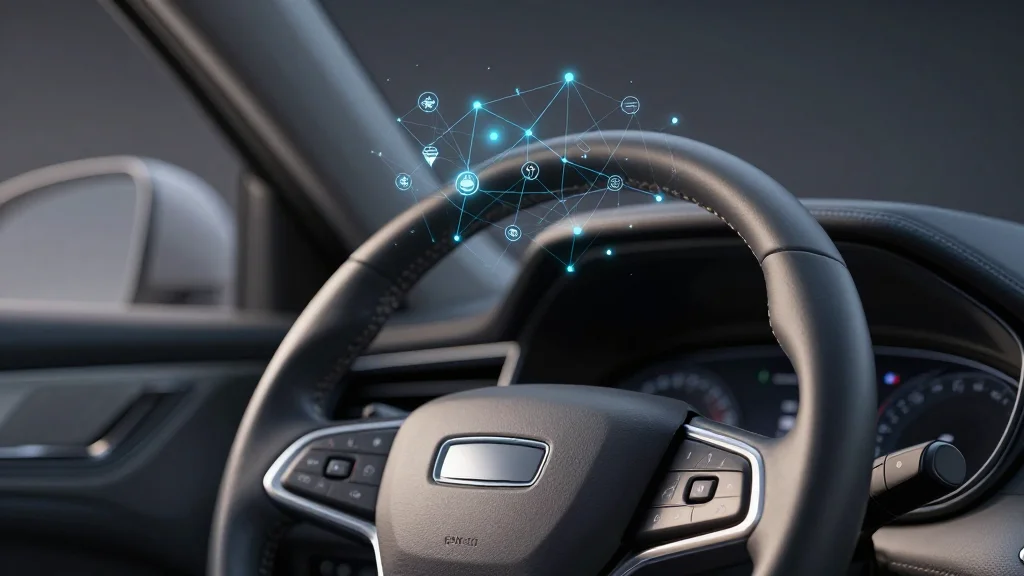
Connected Cars Harvest Driver Data, Prompting Insurance Pricing Concerns

Companies Mentioned

Why It Matters
The surge in vehicle telemetry reshapes the risk assessment model that underpins the insurance industry. By moving from demographic proxies to real‑time behavior, insurers can price policies more precisely, potentially lowering costs for safe drivers while penalizing riskier habits. However, the same data can reveal sensitive health or lifestyle information, raising the specter of discriminatory pricing and eroding consumer trust. Regulators face a delicate balance: fostering innovation that could lower accident rates and insurance losses, while safeguarding privacy rights and preventing unfair premium hikes. The outcome will influence not only insurance premiums but also broader debates about data ownership, consent, and the role of technology in everyday life.
Key Takeaways
- •McKinsey reports 50% of U.S. cars were internet‑connected in 2021, projected to reach 95% by 2030
- •Insurers are expanding usage‑based insurance programs that rely on telematics data
- •Darrell West warns that car data can recreate a driver’s life on a second‑by‑second basis
- •A pending federal rule could mandate biometric cameras in new vehicles, widening data collection
- •State legislators are introducing bills to limit third‑party sales of raw telematics data
Pulse Analysis
The telematics boom marks a pivot from static underwriting to dynamic risk modeling. Historically, insurers relied on age, gender and zip code to set rates; now, continuous streams of sensor data enable a shift toward behavior‑based pricing. This transition could compress loss ratios for insurers that master the analytics, but it also introduces new operational complexities, such as data storage, security compliance and algorithmic transparency.
From a competitive standpoint, early adopters like Progressive's Snapshot and Allstate's Drivewise have built brand differentiation around data‑driven discounts. Yet the market is rapidly saturating as automakers embed proprietary telematics platforms, creating a race to secure data access. Companies that can negotiate favorable data‑sharing agreements without ceding control to third‑party aggregators will likely capture the most value.
Looking ahead, the regulatory environment will be the decisive factor. If lawmakers impose strict consent and usage limits, insurers may be forced to rely on aggregated, anonymized datasets, potentially blunting the precision of UBI models. Conversely, a lax regulatory stance could accelerate premium personalization but risk backlash from privacy‑concerned consumers. The industry’s ability to balance these forces will determine whether connected‑car data becomes a catalyst for lower premiums and safer roads, or a source of public distrust and market fragmentation.
Connected Cars Harvest Driver Data, Prompting Insurance Pricing Concerns
Comments
Want to join the conversation?
Loading comments...