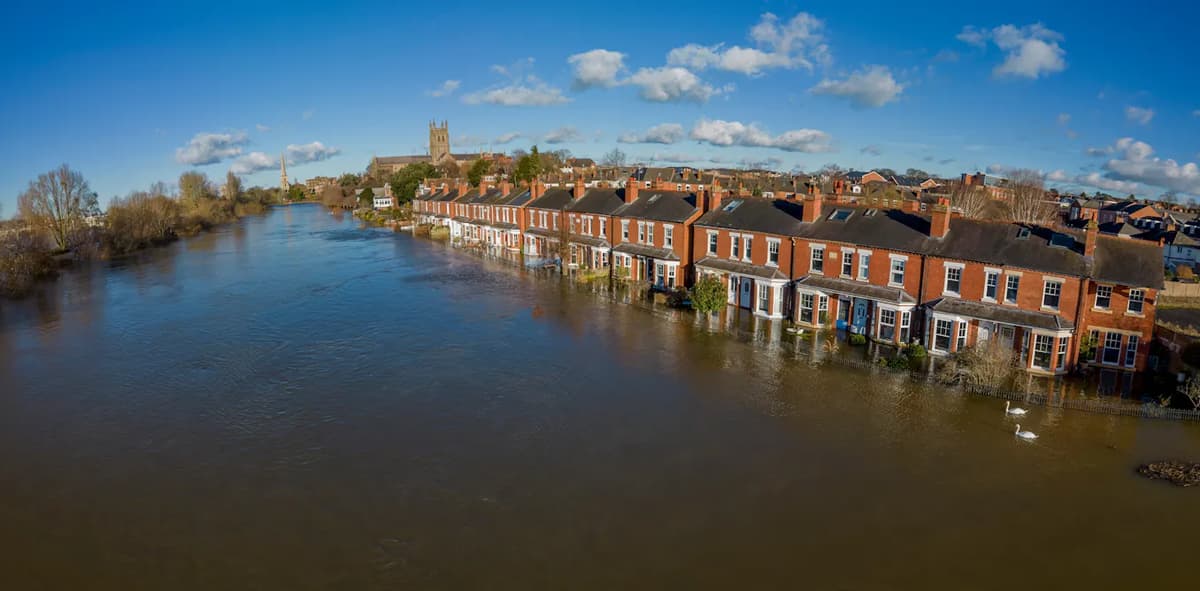
Floods and Finance: Why Climate Change Will Become a More Pressing Economic Problem for UK Households
Why It Matters
The growing flood risk threatens household wealth, mortgage markets and overall financial stability, making coordinated policy and industry action essential now.
Key Takeaways
- •430,000 UK homes could become climate‑mortgage prisoners by 2050
- •Flood‑exposed properties risk falling values, higher premiums, and limited resale
- •Lower‑income households face fewer options to relocate from high‑risk areas
- •Banks, insurers, regulators must treat flood exposure as shared financial risk
Pulse Analysis
Climate change is reshaping the UK property market far beyond the physical damage of floods. While extreme events like New Orleans’ sea‑level threat capture headlines, the more immediate concern for British households is the erosion of home equity. As flood maps expand, insurers are already adjusting premiums upward, and lenders are tightening underwriting standards. This dynamic reduces the liquidity of homes in at‑risk zones, turning them into financial liabilities rather than assets, and it affects roughly 6.3 million properties today, a number set to climb to 8 million by 2050.
The financial ripple extends to mortgage markets and household balance sheets, especially for lower‑income families who lack the capital to relocate or absorb higher costs. When insurance becomes unaffordable or unavailable, borrowers may struggle to meet mortgage obligations, prompting lenders to impose stricter terms or refuse refinancing. Consequently, property values in vulnerable areas depress, limiting resale opportunities and trapping owners in declining assets. This “climate mortgage prison” scenario amplifies wealth inequality, as affluent owners can move to safer locations while disadvantaged households remain exposed.
Addressing the issue requires a blend of adaptation infrastructure and regulatory reform. Governments should prioritize flood defenses and enforce robust building standards that prevent new developments in high‑risk zones. Simultaneously, insurers, banks, and regulators need coordinated frameworks that treat flood exposure as a shared systemic risk, encouraging affordable coverage and responsible lending. By integrating climate risk into financial planning now, the UK can safeguard household wealth, maintain market stability, and avoid the socioeconomic fallout witnessed in more extreme cases like New Orleans.
Floods and finance: why climate change will become a more pressing economic problem for UK households
Comments
Want to join the conversation?
Loading comments...