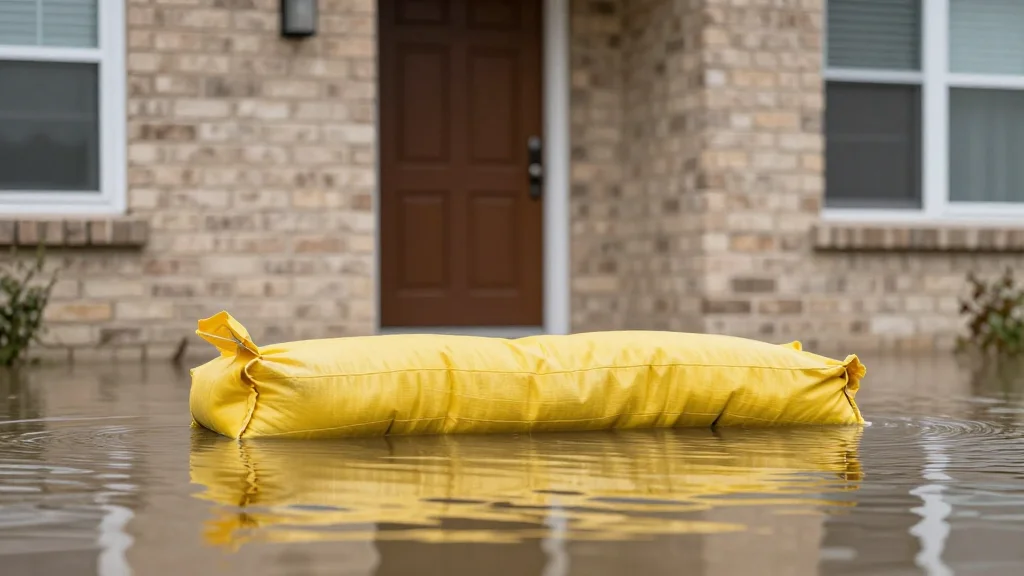
Florida Flood‑Insurance Expert Details Coverage Limits and New Policy Rules

Why It Matters
Accurate understanding of flood‑insurance coverage is critical as climate change intensifies flood events across Florida. Misconceptions about policy limits can lead to substantial out‑of‑pocket expenses for homeowners, while insurers face heightened claim volumes that strain the NFIP and private carriers alike. El Khoury’s clarification of building versus contents limits, exclusions and the role of elevation certificates helps both consumers and insurers align expectations, potentially reducing disputes and improving loss mitigation. The recent policy emphasis on elevation data reflects a broader industry trend toward risk‑based pricing. By incentivizing mitigation, insurers can lower overall exposure, but the shift also raises premium affordability concerns for older homes that cannot easily qualify for discounts. Understanding these dynamics is essential for policymakers, lenders and the insurance market as they balance affordability with financial resilience.
Key Takeaways
- •Wadih El Khoury explains flood insurance is a separate policy from homeowners insurance
- •Building coverage protects structural elements; contents coverage has lower limits
- •Typical exclusions include landscaping, decks, cash and precious metals
- •Elevation certificates can lower premiums under recent underwriting changes
- •30‑day waiting period remains, urging homeowners to purchase early
Pulse Analysis
The interview with Wadih El Khoury underscores a pivotal moment for Florida’s flood‑insurance market. Historically, low awareness of the distinction between homeowners and flood policies has driven under‑insurance, leaving many families vulnerable after events like Hurricane Ian. By foregrounding the importance of elevation certificates, the industry is nudging policyholders toward proactive risk reduction—a strategy that could lower aggregate claim costs over the next decade.
However, the shift toward risk‑based pricing carries a hidden risk: premium spikes for legacy homes that lack modern elevation data. Insurers may respond by offering retrofit incentives or partnering with local governments to subsidize elevation assessments, mirroring approaches seen in Texas after recent flood events. If such programs fail to gain traction, a segment of the market could face affordability gaps, potentially prompting higher reliance on NFIP subsidies or prompting legislative calls for rate caps.
Looking forward, the NFIP’s pending reform—aimed at modernizing rate structures and encouraging private‑sector participation—could reshape the competitive landscape. Private insurers may leverage the elevation‑certificate discount model to differentiate their products, while the federal program could focus on high‑risk, low‑income households. El Khoury’s emphasis on early purchase and policy review aligns with these reforms, positioning informed homeowners to navigate a more complex, yet potentially more resilient, insurance ecosystem.
Florida Flood‑Insurance Expert Details Coverage Limits and New Policy Rules
Comments
Want to join the conversation?
Loading comments...